



Victorian Pine Corner Cupboard
A victorian pine corner cupboard puts dead room to work, turning awkward angles into honest, practical storage with a warm domestic character.
Victorian Pine Corner Cupboard
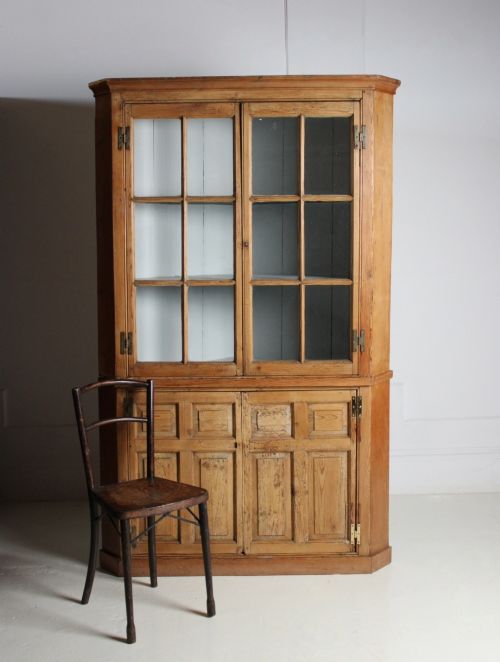
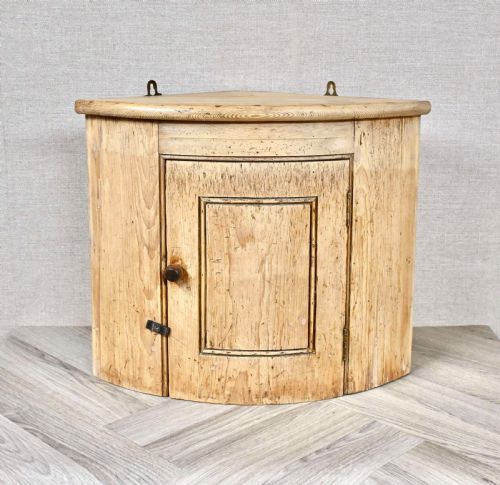
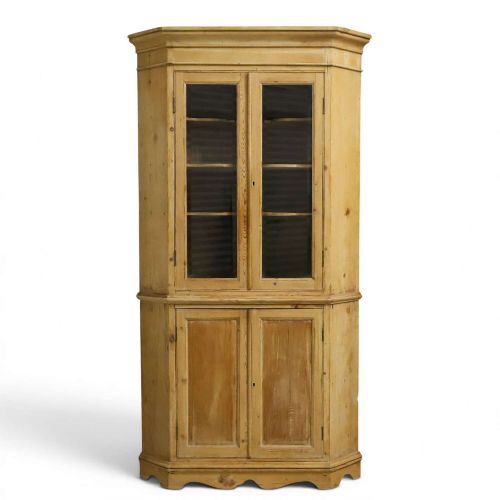
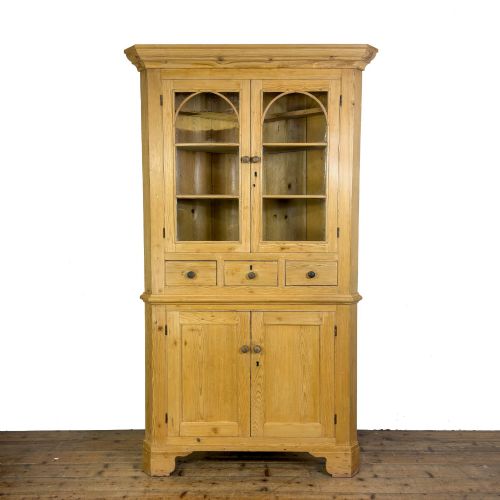
A victorian pine corner cupboard is a fitted or freestanding storage piece designed specifically to occupy the junction of two walls, making clever use of redundant space. These cabinets appear primarily in domestic contexts, ranging from compact wall hanging formats to large two stage or tall standing versions.
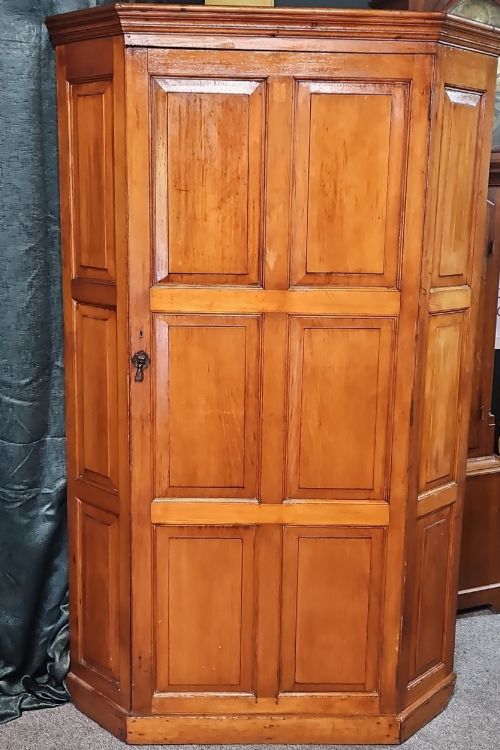
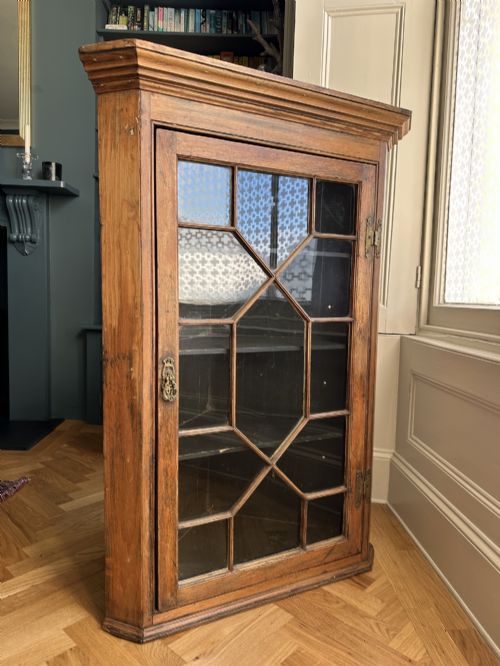
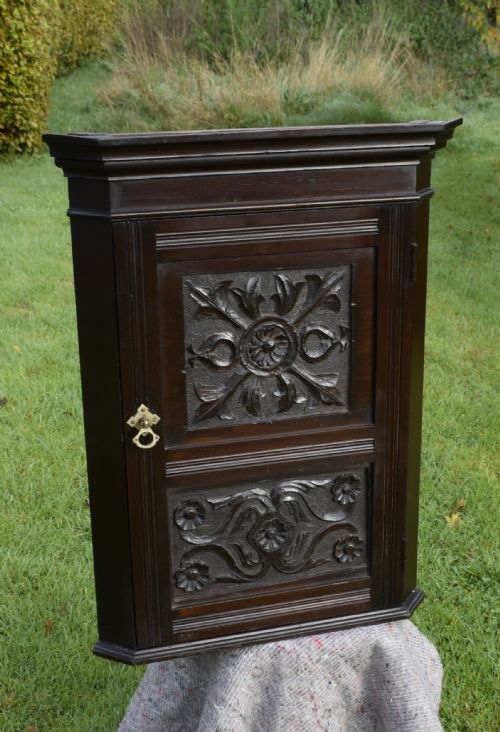
Most examples found here date from the nineteenth century, including specific spans around eighteen fifty, eighteen eighty, eighteen ninety, and nineteen ten. Makers built them in both glazed display formats with glass doors and solid panelled door variants, often adopting a rustic farmhouse or Victorian country style.
How they were made
Makers constructed these cabinets using standard pine and pitch pine, often pairing the timber with brass, iron, or metal hardware such as hinges and latches. Some refined iterations feature glass panes for upper display sections and occasional porcelain elements.
Construction methods vary between single piece wall hung boxes and substantial two part or tall floor standing units. Surfaces frequently arrive stripped to reveal the natural grain, though surviving examples can retain original painted interiors.
Victorian Pine Corner Cupboard Retail Price Guide 2026
Typical asking prices for victorian pine corner cupboard among the pieces listed under this phrase on Sellingantiques today, from the lower quarter to the upper quarter. They describe what is for sale here now, not the wider market.
Several surviving cupboards retain their original painted interiors, offering a flash of hidden colour when the pine doors swing open.
What varies in quality
Quality rests heavily on the architectural proportion of the piece and the selection of the timber, particularly when comparing standard pine to pitch pine. The transition from simple wall hanging boxes to large two stage forms introduces greater joinery demands.
The degree of original retention distinguishes individual pieces, seen in intact painted interiors, period glass, and original brass or iron fittings. Cabinets exhibiting crisp moulding details on the cornices and doors generally represent the upper tier of production.
The Victorian Pine Corner Cupboard Glossary
- Bow front
- A convex curved cabinet front that projects outward in a smooth arc. This shape softens the hard angles typical of standard corner furniture.
- Two stage form
- A tall cabinet built in two separate vertical sections sitting one upon the other. This construction method helped tradesmen transport heavy furniture up staircases.
- Pitch pine
- A dense, resinous softwood variety prized for its durability and strong grain patterns. It offers a heavier feel than standard softwood.
- Hanging corner cupboard
- A smaller cabinet fitted with brackets or lugs intended for wall mounting. This format keeps floor space clear in smaller domestic rooms.
- Stripped pine
- Wood that has had later layers of paint or dark varnish removed to expose the bare timber. This finish highlights the natural knots and grain of the softwood.
Victorian Pine Corner Cupboard: Frequently Asked Questions
How do I hang a wall cabinet?
Wall hanging versions require secure fixing directly into masonry or adequate timber studs behind the plaster. Because nineteenth century pine carries considerable weight, reliable internal screw fixings through the backboards are essential.
Ensure the corner angles match your walls precisely before committing to the fixings. Professional installation prevents the cabinet from leaning forward under its own load.
Where were these placed originally?
Kitchens, parlours, and dining rooms housed these cupboards to store provisions, glassware, or crockery. Their triangular footprint utilised corners that square furniture could not reach.
Tall standing models stood directly on the floor, while smaller units hung above sideboards or tables. This placement kept everyday items within easy reach.
How do I clean stripped pine?
Dust the surfaces regularly with a dry cloth to prevent grime accumulation in the grain. Avoid excessive moisture or harsh detergents that can raise the softwood fibres.
Apply a traditional beeswax occasionally to nourish the dry timber. This maintains a soft lustre without sealing the wood against natural humidity changes.
Are glazed doors original?
Many nineteenth century examples feature glass doors designed to display china and glassware. Inspect the glazing bars and putty to understand the joinery methods used by the maker.
Some pieces were built as open fronted shelving units or solid door cupboards originally. Glazing was often added or repaired during the long working life of the furniture.