



Rustic Pine Corner Unit
A rustic pine corner unit makes use of dead space while bringing warmth and character to a room.
Rustic Pine Corner Unit
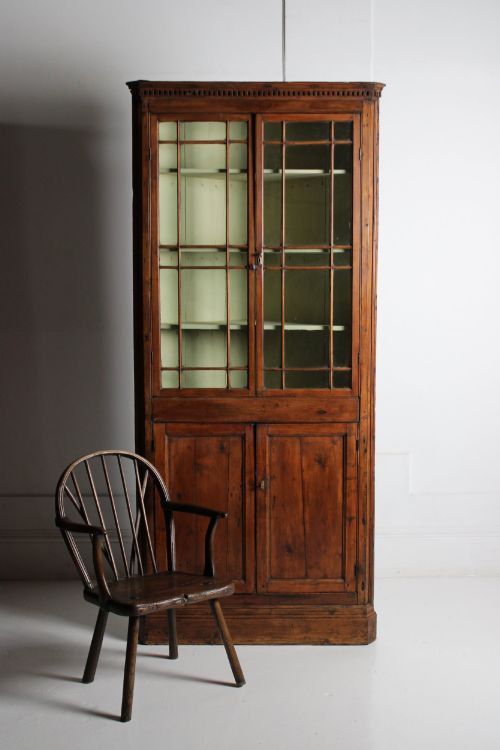
A rustic pine corner unit sits snugly into the junction of two walls, turning awkward angles into useful display or storage space. These pieces span several eras, including Georgian, Victorian, and early twentieth-century examples.
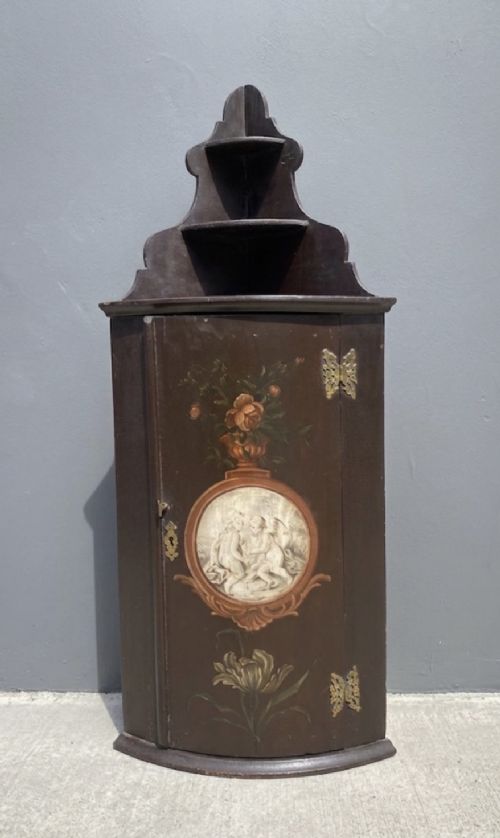
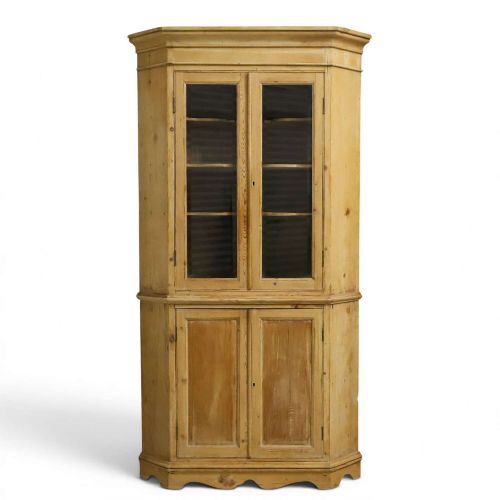
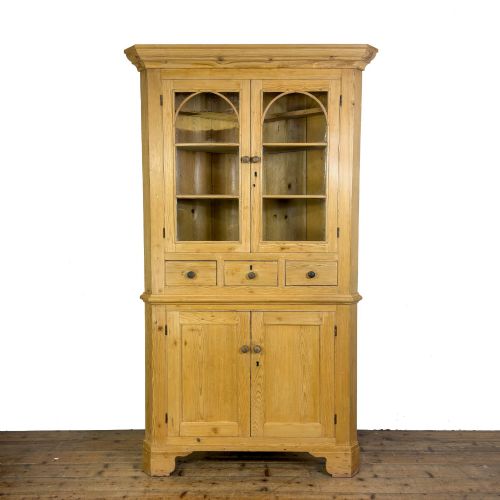
The form appears as tall standing cupboards, two-part cabinets, and smaller hanging versions designed to mount on the wall. Some feature glazed upper doors for display, while others provide enclosed wooden storage or open shelves.
Makers built these items from softwood, often finishing them with plain scrubbed surfaces, traditional paint, or stripped finishes that expose the natural grain. They serve as practical solutions for kitchens, dining rooms, and hallways.
How they were made
Carpenters constructed these units using solid pine boards joined with traditional methods suited to domestic furniture production. Iron hinges, brass catches, and locks provide the functional hardware for the doors.
Surfaces received various treatments over their long lives, ranging from original coats of paint to stripped wood finishes and simple wax polish. Glazed sections use small panes of glass held by wooden glazing bars.
Rustic Pine Corner Unit Retail Price Guide 2026
Typical asking prices for rustic pine corner unit among the pieces listed under this phrase on Sellingantiques today, from the lower quarter to the upper quarter. They describe what is for sale here now, not the wider market.
The listings span the eighteenth, nineteenth, and early twentieth centuries, utilising pine alongside iron, brass, and glass.
What varies in quality
Proportion and scale dictate the visual weight of the piece, with taller standing cupboards and two-part forms commanding more presence than smaller hanging cabinets. The integrity of the timber and the retention of original backboards influence the overall substance.
Surface treatments create a distinct difference between untouched painted finishes and modern stripped surfaces. Finer examples retain their original brass or iron hardware and well-fitted doors that close true.
The Rustic Pine Corner Unit Glossary
- Pine
- A softwood commonly used for country and utilitarian furniture throughout the eighteenth and nineteenth centuries. It takes paint well and develops a rich patina through handling.
- Corner cupboard
- A specialised storage piece built with a triangular footprint designed to fit directly into a room angle. These can be single-piece hanging units or tall standing furniture.
- Two-part form
- A cabinet constructed in two separate sections, usually a top display case resting on a lower cupboard base. This design made transportation through narrow cottage doorways much easier.
- Georgian
- A stylistic period spanning the eighteenth and early nineteenth centuries, characterised by restrained proportions and classical furniture design influences. Pieces from this era often show finer architectural details.
- Victorian
- A nineteenth-century period associated with diverse manufacturing methods and robust domestic furniture production. Items from this time range from simple farmhouse pieces to more ornate designs.
Rustic Pine Corner Unit: Frequently Asked Questions
Where should I place a corner unit?
These cabinets fit neatly into any unused room angle, making them ideal for dining rooms, kitchens, or hallways where floor space is at a premium. Their triangular footprint turns a dead corner into a practical storage area.
Take measurements of your wall space and ceiling height before choosing between a tall standing cabinet or a smaller hanging version.
How do I clean antique pine?
Dust the surfaces regularly with a soft, dry cloth to prevent dirt buildup in the grain and corners. Avoid harsh chemical cleaners that can strip away aged wax or original paint finishes.
Applying a traditional beeswax polish occasionally will help nourish the timber and maintain a soft sheen.
Are these cabinets difficult to hang?
Hanging models require secure fixings into solid wall studs or masonry to support the weight of the timber and its contents safely. Enlisting a professional carpenter ensures the piece remains level and secure.
Standing models simply require a flat floor and careful placement against the adjoining walls.
Can I paint stripped pine?
Many historical pieces started life with painted surfaces before being stripped down to bare wood in later years. Applying a traditional milk paint or chalk paint is an authentic way to finish a piece.
Ensure the wood is clean and dry before applying any new finish to help the paint adhere properly.