



Victorian Pine Collector Chest
A victorian pine collector chest brings practical, multi-drawer storage to a room with honest nineteenth-century timber and brass handles.
Victorian Pine Collector Chest
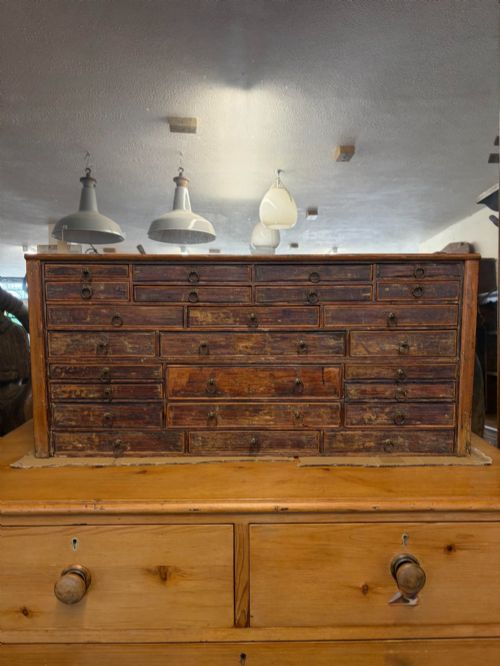
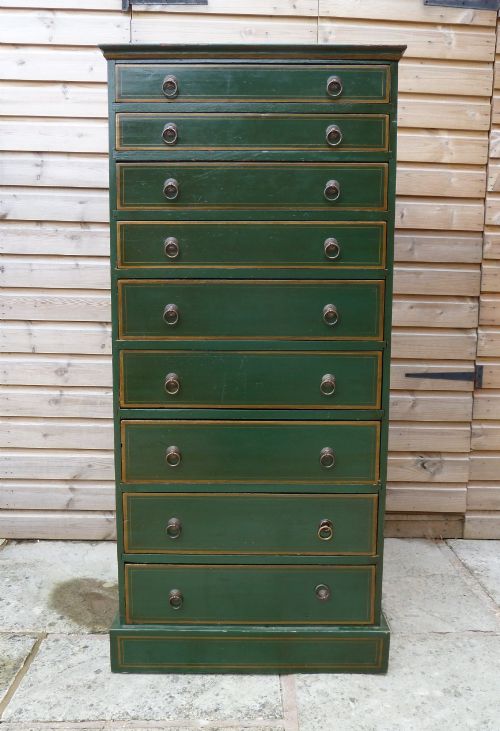
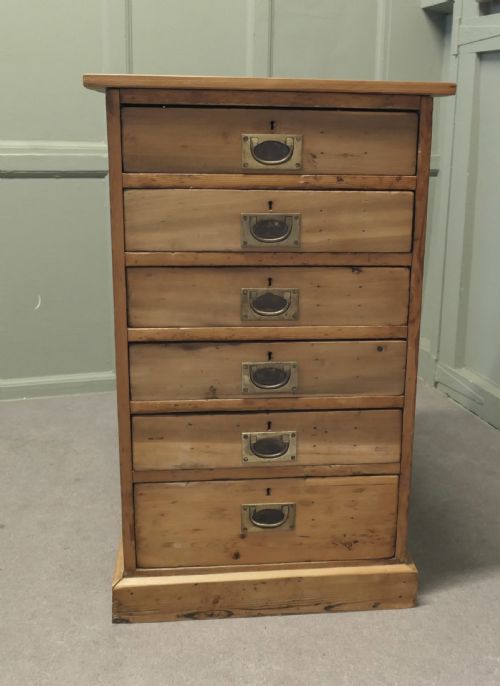
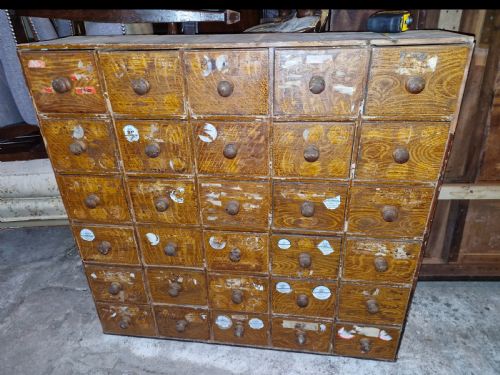
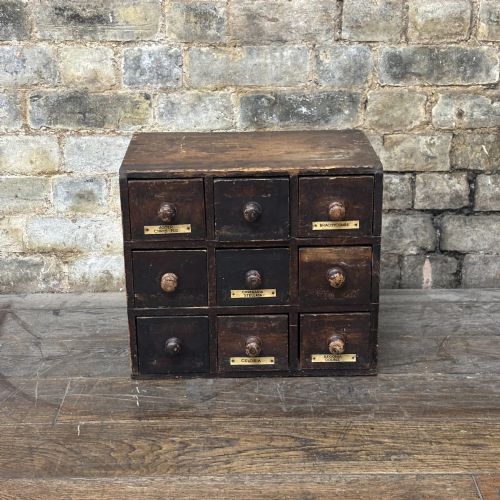
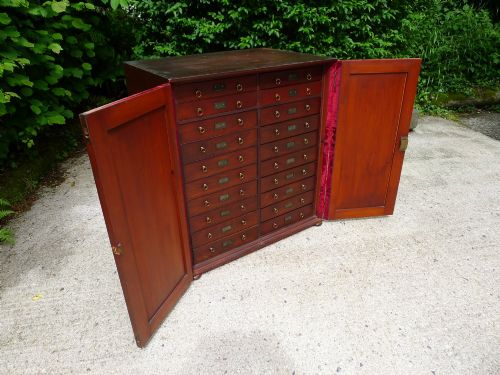
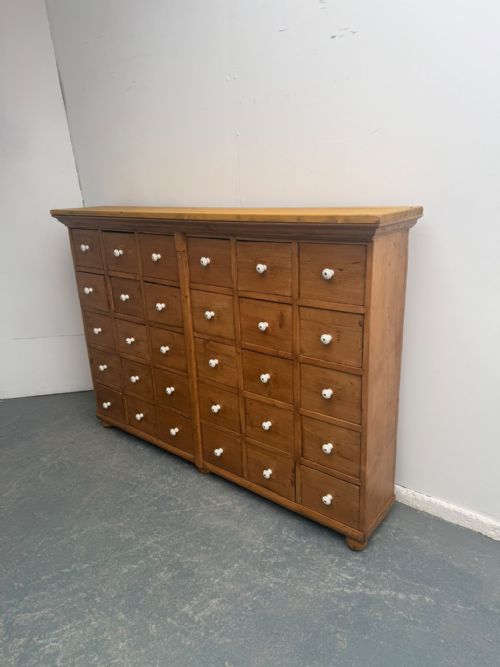
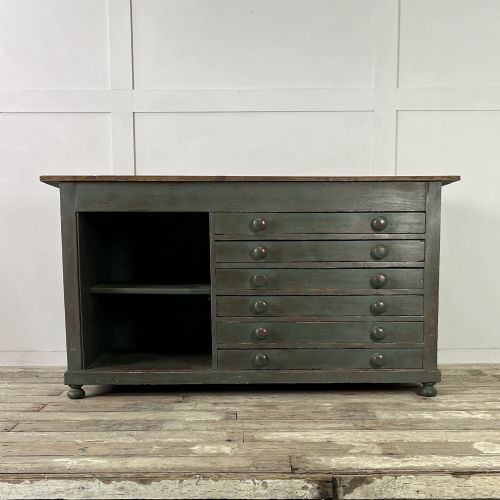
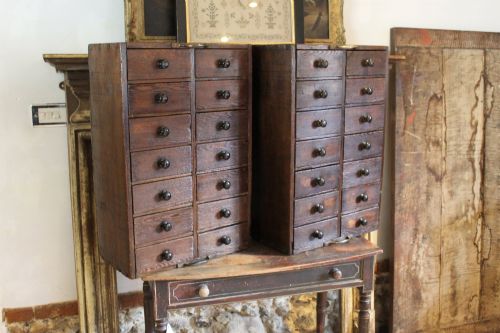
A victorian pine collector chest takes many forms, from banks of shallow drawers and florist seed cabinets to apothecary chests and filing units. These pieces were originally built for practical sorting and storage, offering numerous small compartments rather than deep hanging space.
Most examples date across the nineteenth century, including Victorian, Edwardian, and nineteenth-century periods, alongside specific regional variations like Welsh country pieces. You will encounter everything from tall watchmakers' banks to compact apprentice cabinets and multi-drawer specimen chests.
The primary function remains organising small items, which explains the dense arrangement of drawers often fitted with brass pulls or simple wooden knobs. Buyers select them to bring modular utility and warm timber tones into contemporary domestic spaces.
Judging Quality and Character
The standard of a multi-drawer chest rests on the integrity of the drawer construction and the smoothness of its operation across many compartments. Finely moulded details, original brass hardware, and well-figured pitch pine elevate an ordinary utility piece into a superior cabinet.
Surface preservation tells its own story, distinguishing examples retaining their original painted finish or rich wax polish from those stripped down indiscriminately. The scale and density of the drawers also dictate usefulness, with larger banks requiring precise joinery to remain sturdy.
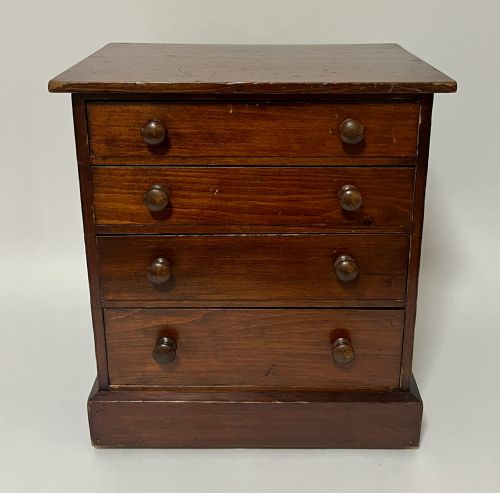
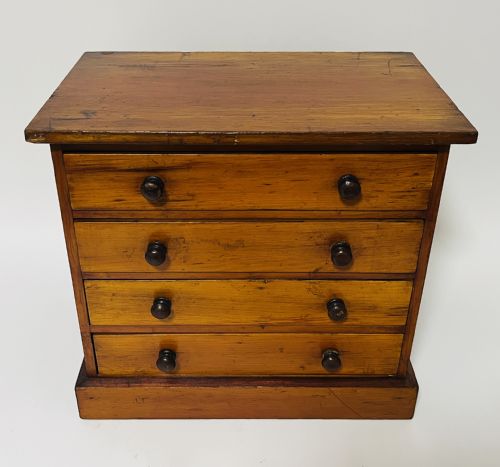
A tiny apprentice cabinet proves that learning a trade involved making miniature drawers that open just as smoothly as full-size ones.
Luxmore's of Ilfracombe·D Napier & Sons·J.T.Crockett
The Victorian Pine Collector Chest Glossary
- Pitch pine
- A resinous North American pine variety prized for its prominent grain patterns and durability in nineteenth-century cabinetry. It provides a harder, more heavily figured surface than standard deal.
- Deal
- A generic historical term for fir or pine timber commonly used in British cabinet making. It forms the structural carcass of many utility and workshop chests.
- Specimen cabinet
- A multi-drawer piece specifically designed to house natural history samples, coins, or small objects. The shallow drawers protect delicate contents.
- Apprentice piece
- A miniature furniture item constructed by a learner to demonstrate mastery of woodworking skills. These smaller chests mirror full-size designs with exact proportions.
Victorian Pine Collector Chest: Frequently Asked Questions
What were these chests originally used for?
These multi-drawer units served commercial, scientific, and domestic purposes for sorting small goods. Businesses, apothecaries, naturalists, and watchmakers utilised them to keep specialised items organised.
The shallow drawers prevented delicate specimens, seeds, or watch components from getting lost or damaged. Today, that compartmentalised design suits modern storage needs for stationery, jewellery, or collections.
How do I date a pine collector chest?
Dating relies on observing construction methods, timber choice, and hardware styles across the piece. Nineteenth-century examples often feature hand-cut dovetails and turned wooden knobs or cast brass pulls.
Later Victorian and Edwardian pieces may incorporate industrial iron brackets or simpler machine-sawn elements. Examining the backboards and drawer linings provides further clues regarding the manufacturing era.
Can I use one as a filing cabinet?
Many surviving nineteenth-century banks of drawers function exceptionally well for modern paperwork storage. Shallow configurations easily accommodate documents, notes, and office supplies.
Buyers frequently select these multi-drawer units to replace modern office furniture with period character. The numerous compartments allow for efficient sorting without altering the historic structure.
How should I care for the pine surface?
Maintain the timber by applying a traditional beeswax polish to nourish the dry nineteenth-century pine. Avoid placing the chest in direct sunlight or near heat sources to prevent timber splitting.
Gentle dusting with a soft cloth keeps the finish intact without abrasive cleaners. Preserving the surface maintains the historical character developed over generations of use.