
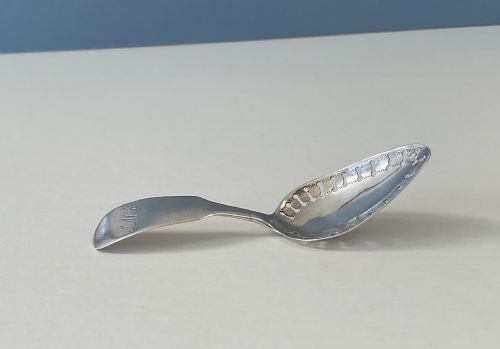


Victorian Pierced Silver Spoon
A victorian pierced silver spoon brings intricate metalwork and reliable utility to the table, offering a tactile piece of nineteenth-century craftsmanship.
Victorian Pierced Silver Spoon
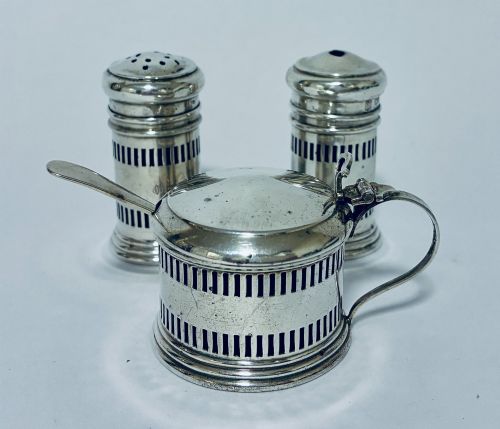
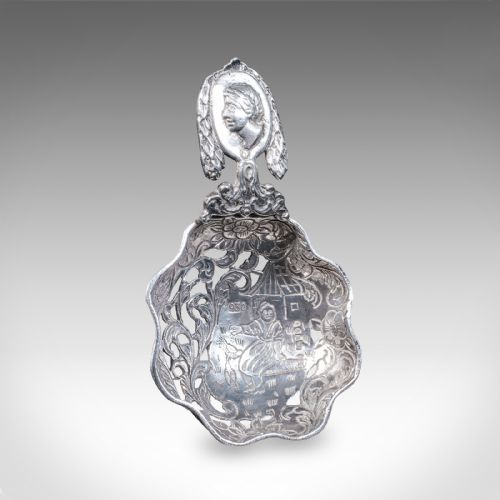
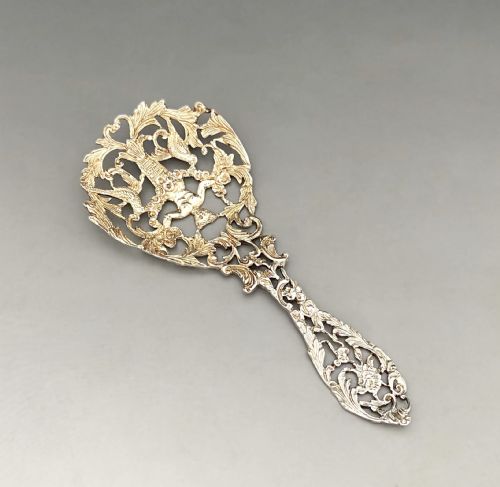
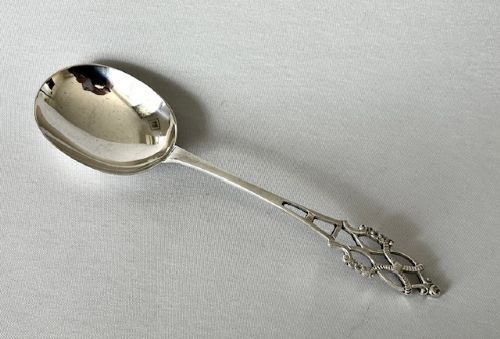
A victorian pierced silver spoon encompasses serving spoons, sugar sifters, caddy spoons, and condiment spoons discovered across nineteenth-century and early twentieth-century periods. These items frequently appear alongside mustard pots, salt cellars with glass liners, and cruet sets.
The objects stem predominantly from the Victorian era, accompanied by occasional Georgian and Edwardian examples. Makers utilised sterling silver and silver plate, sometimes pairing the spoons with cobalt blue, ruby red, or cranberry glass bowls.
Materials and construction
Silversmiths employed sterling silver and silver plate to shape the bowls and handles of these utensils. Piercing techniques removed sections of the metal to form decorative patterns, grates, or sifter holes.
Many items incorporate contrasting coloured glass inserts, such as cobalt blue or cranberry glass, housed within pierced silver mustard pots and salt cellars. Fitted presentation cases occasionally accompany the spoons and matching tableware.
Cherubs and birds occasionally peer out from the pierced silver walls of mustard pots, watching over the dining table.
Assessing the craftsmanship
The crispness of the pierced decoration and the balance of the handle dictate the quality of the utensil. Sharply defined apertures and deliberate symmetry show superior silversmithing compared to softer, worn piercing.
The preservation of original components, such as matching glass liners in salt cellars or fitted presentation cases, influences the integrity of the ensemble. Maker marks and clear hallmarks further establish the origin and standing of the piece.
William Comyns·Charles Stuart Harris
The Victorian Pierced Silver Spoon Glossary
- Piercing
- The decorative technique of cutting openings through sheet silver to form patterns. This method creates the sifter grates on sugar spoons and the openwork galleries on mustard pots.
- Hallmarks
- Official stamps struck into precious metals to indicate the standard of silver, the assay office, and the date of manufacture. These marks help verify the period of the piece.
- Caddy Spoon
- A short spoon specifically designed for measuring loose tea leaves from a caddy. They often feature shallow bowls and decorative handles.
- Sifter Spoon
- A utensil with a pierced bowl intended for dusting sugar over food. The holes allow excess sugar to remain behind while the fine grains pass through.
Victorian Pierced Silver Spoon: Frequently Asked Questions
How do I clean a silver spoon?
Clean silver using a soft cloth and a dedicated silver polish, avoiding abrasive pads that can wear away the intricate pierced details. Rinse the metal thoroughly in warm water and dry it immediately to prevent tarnishing.
Keep the items away from rubber bands and harsh chemicals which accelerate oxidation. Store them in dry conditions, preferably within lined presentation cases when not in use.
Can I use these spoons daily?
These utensils function adequately for serving sugar, condiments, or tea, provided they receive gentle handling during meals. Solid silver withstands normal table use, though antique pieces demand care to protect delicate pierced sections.
Hand wash the spoons rather than placing them in a dishwasher. The harsh detergents and high heat of mechanical washers can damage the silver finish and any associated glass liners.
What are glass liners used for?
Coloured glass inserts sit inside pierced mustard pots and salt cellars to hold the condiments safely. The glass protects the sterling silver from the corrosive effects of salt and mustard.
Original cobalt blue, ruby red, or cranberry glass liners add visual contrast through the openwork silver sides. These removable inserts lift out easily for cleaning after use.
How do I identify a Victorian piece?
Examine the metal for British hallmarks, which typically include a date letter corresponding to the reign of Queen Victoria. Stylistic clues such as rococo revival motifs or specific import marks also point toward the nineteenth century.
Consult reference books on silversmith marks to decode the symbols stamped into the spoon stem or bowl. These marks confirm the exact assay office and year of creation.