
Victorian Pier Display Cabinet
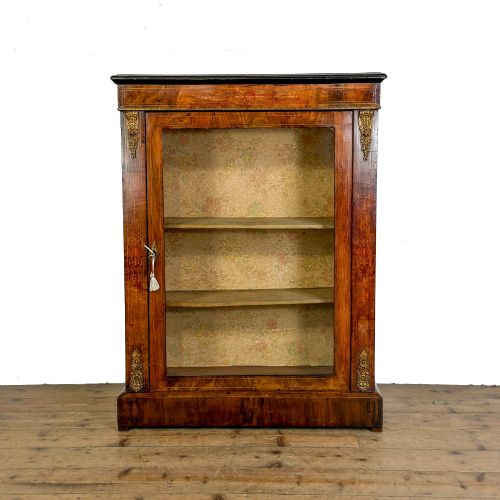
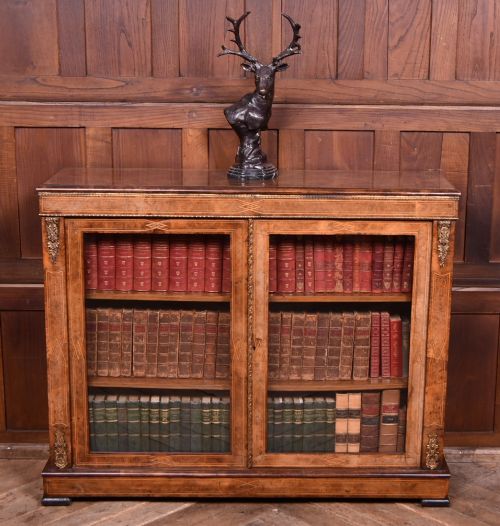
A victorian pier display cabinet brings nineteenth-century elegance to a room with glazed doors for showing treasured collections.

Victorian Pier Display Cabinet
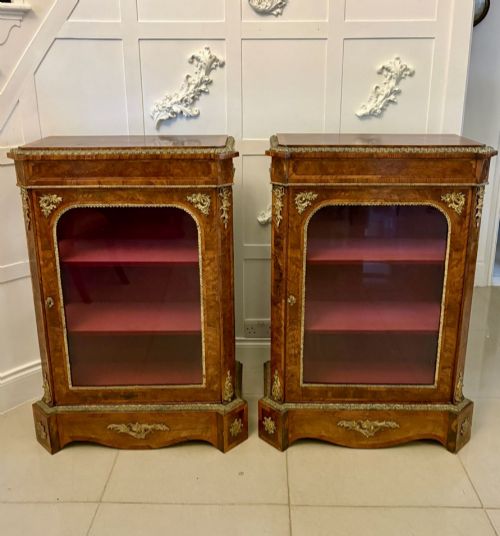
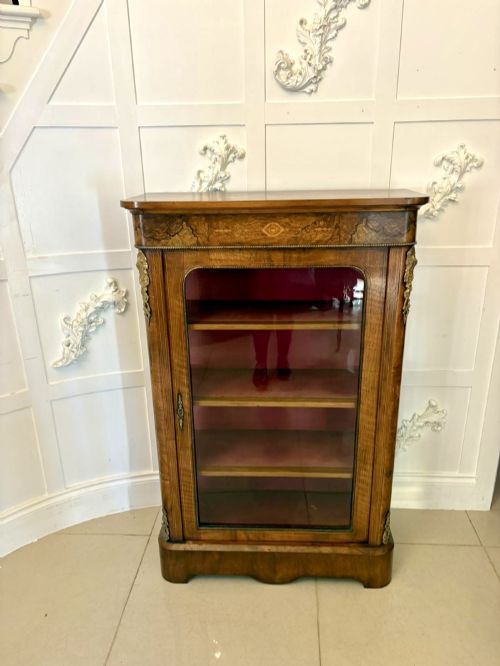
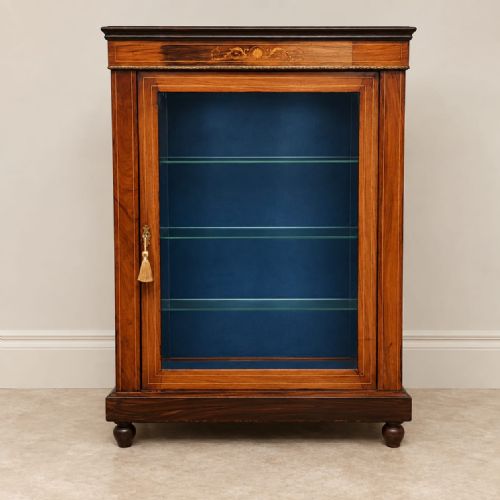
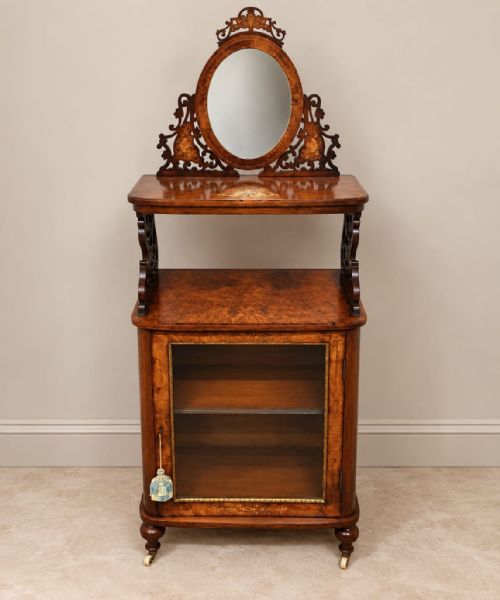
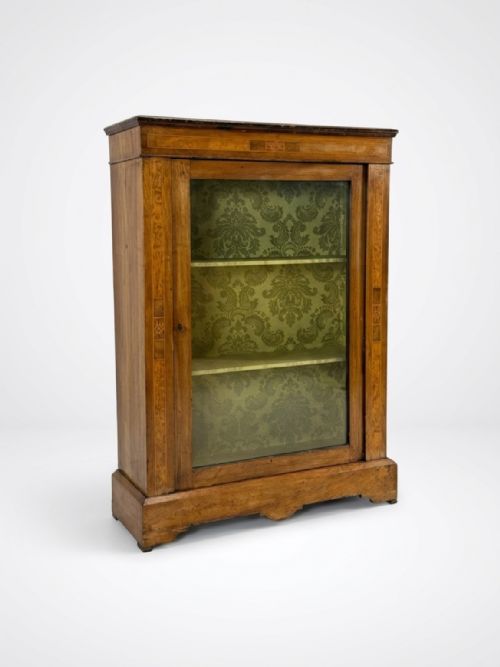
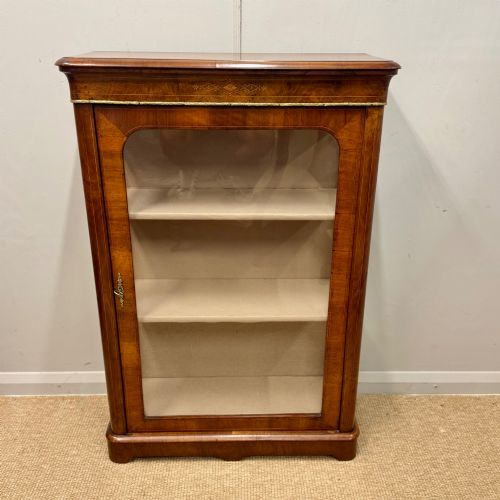
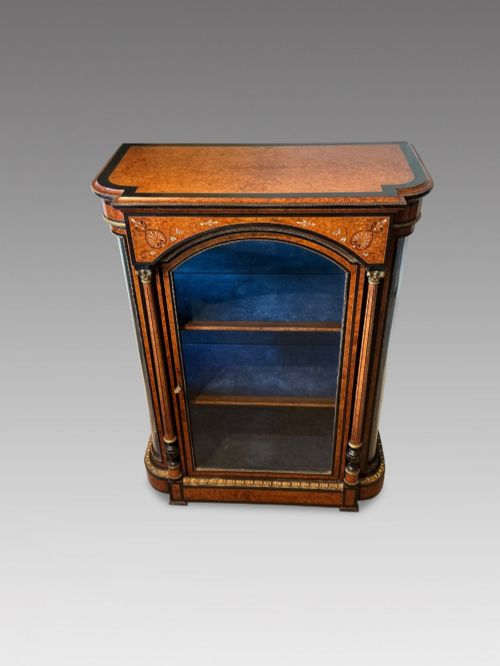
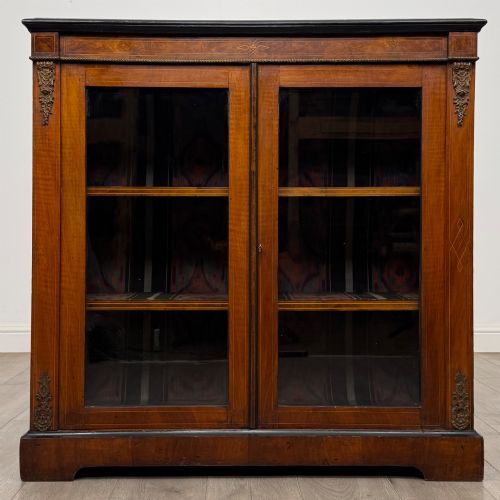
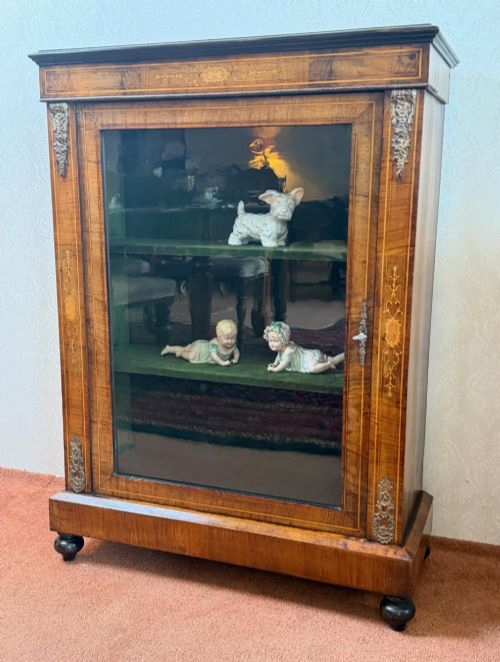
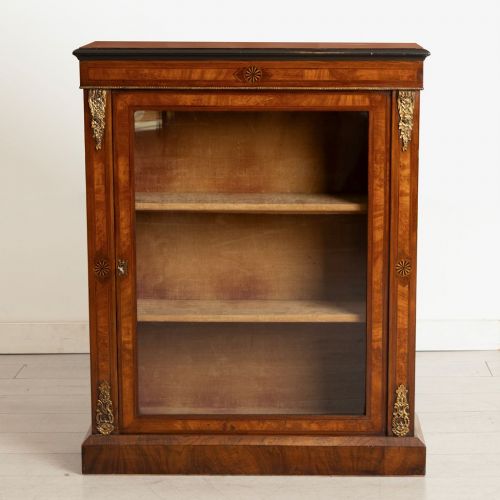
A victorian pier display cabinet is a tall, narrow piece designed originally to stand against the wall space, or pier, between windows. These upright items frequently feature a single glazed door flanked by curved or straight sides, housing interior shelving for porcelain and curiosities. The most common versions encountered here are fashioned from walnut and burr walnut, often enhanced with marquetry or delicate stringing.
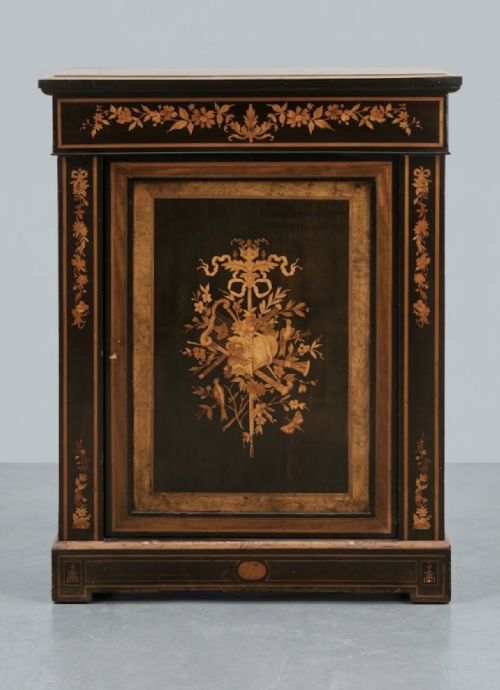
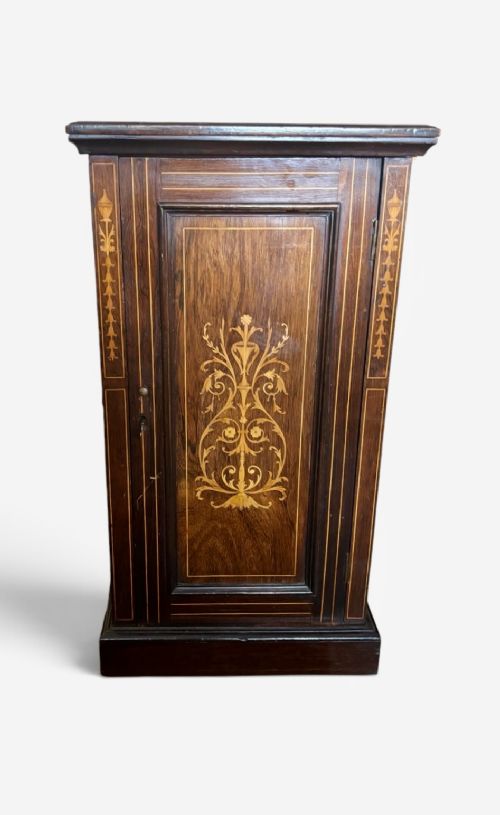
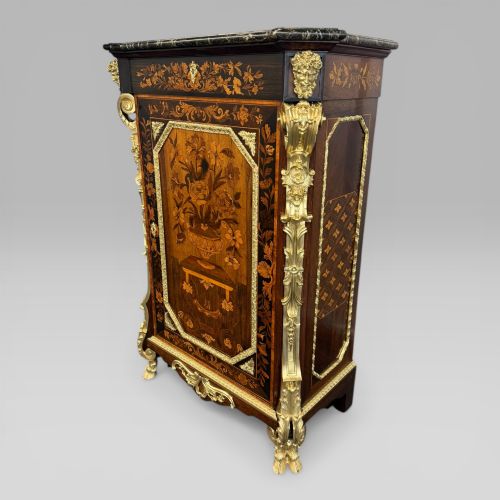
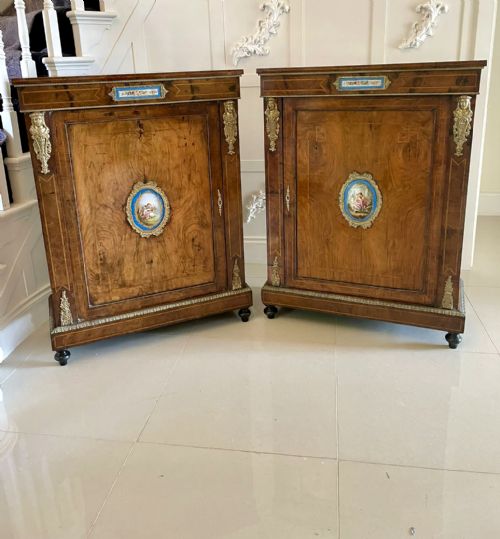
Beyond the standard walnut designs, variations emerge in rosewood, mahogany, and ebonised wood adorned with ormolu mounts or porcelain plaques. Some examples adopt French revival styling, reflecting Napoleon III tastes with Boulle work or elaborate gilt bronze details. Cabinets range from modest single-door units to grander pairs and two-door vitrines intended for larger drawing rooms.
How They Were Made
Cabinet makers utilised dense timber carcases of pine or oak, veneered meticulously with figured burr walnut, rosewood, or amboyna to create rich surface patterns. Marquetry panels were constructed by cutting contrasting woods such as satinwood, boxwood, and ebony into floral or geometric motifs. These delicate inlays were then set flush into the primary veneer before polishing.
Structural embellishments relied on cast brass and ormolu mounts, screwed or pegged securely to corners, friezes, and feet. Glazed doors required precise joinery to support heavy sheet glass, sometimes held with internal wooden beads or putty. Ebonised finishes involved staining and polishing fruitwood to imitate expensive ebony.
One past cabinet carried antique advertising for Moet & Chandon champagne inside its glazed display.
What Varies in Quality
Quality rests significantly upon the selection of veneers and the intricacy of the marquetry work. Superior items display book-matched burr walnut with symmetrical grain patterns across the front, whilst simpler pieces use plain timber or repetitive stamped brass decoration. The depth and crispness of the cast ormolu mounts also distinguish standard workshop production from finer cabinet makers.
Construction details reveal the standard of craftsmanship beneath the polished exterior. Better examples employ secondary timbers like solid mahogany for internal linings and feature finely cut dovetails on drawer boxes. The weight of the glass, the smoothness of the lock mechanisms, and the tightness of the mitre joints indicate the original investment in labour.
Edward Holmes Baldock·James Winter·Edwards & Roberts
The Victorian Pier Display Cabinet Glossary
- Burr Walnut
- A figured wood grain obtained from the excrescences or warts of walnut trees. This material produces intricate, swirling patterns highly prized for cabinet doors.
- Ormolu
- Gilded bronze used for decorative mounts and feet. The technique involves applying a mercury and gold amalgam to cast bronze before heating.
- Marquetry
- The art of applying pieces of veneer to a structure to form decorative patterns. Craftsmen cut multiple thin wood layers simultaneously to ensure tight joints.
- Boulle
- A style of marquetry utilising brass and tortoiseshell inlaid in counterchange patterns. Named after the French cabinet maker, it appears frequently on Napoleon III pieces.
- Vitrine
- A glass-fronted display cabinet designed for showing porcelain and small objects. These enclosures protect delicate collections from dust whilst offering all-round visibility.
Victorian Pier Display Cabinet: Frequently Asked Questions
What is a pier cabinet used for?
These cabinets served primarily to display porcelain, glassware, and small ornaments in formal nineteenth-century drawing rooms. The glazed doors protected delicate collections from coal smoke and dust while remaining visible to guests.
Today, they function well in modern interiors for showcasing similar curated collections, taking up minimal floor space due to their narrow proportions.
How do I identify a Victorian piece?
Identification relies on observing characteristic timbers like burr walnut, rosewood, and ebonised finishes combined with nineteenth-century revival styles. Construction markers such as hand-cut dovetails, secondary oak or mahogany linings, and original brass locks provide further chronological clues.
Comparing the decorative vocabulary, including ormolu mounts and marquetry patterns, against documented examples helps confirm the nineteenth-century manufacture period.
Where should I place a cabinet?
Traditionally designed for the narrow wall space between two windows, these cabinets suit similar alcoves or small wall expanses in contemporary rooms. Their shallow depth prevents them from protruding excessively into walking paths.
Keeping them away from direct sunlight and strong heat sources protects the delicate wood veneers and historic polishes from drying out or fading.
Are these cabinets difficult to clean?
Routine maintenance requires only a soft, dry cloth to remove dust from the polished wood surfaces and glass panes. Avoiding modern silicone polishes preserves the integrity of the antique french polish or wax finish.
Interior velvet linings benefit from gentle brush attachments on a vacuum cleaner to lift dust safely from the display shelves.