




Victorian Photo Locket
A victorian photo locket holds miniature portraits close to the heart, combining personal history with intricate metalwork.
Victorian Photo Locket
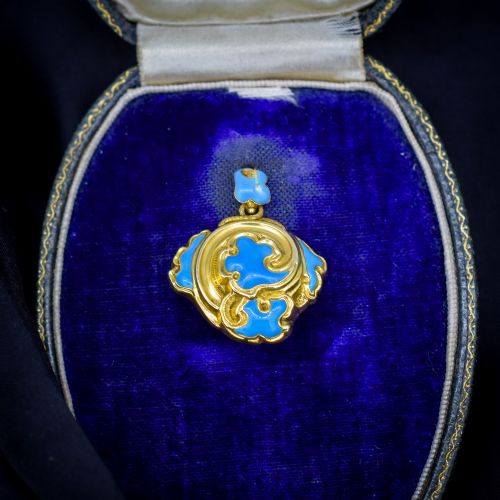
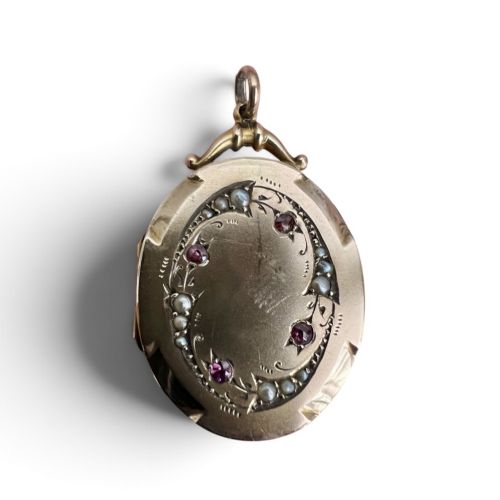
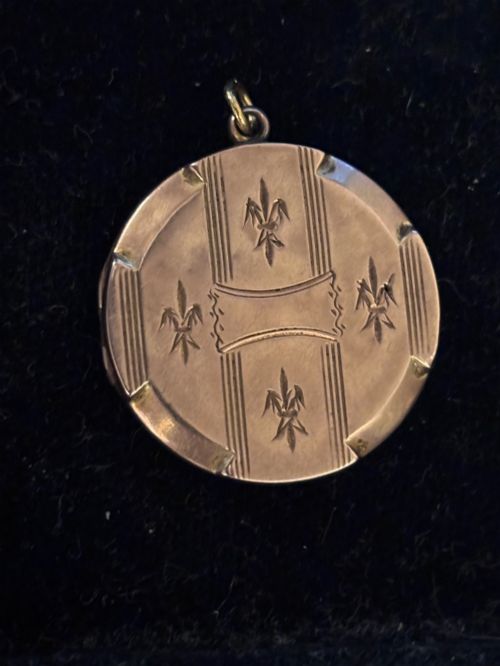
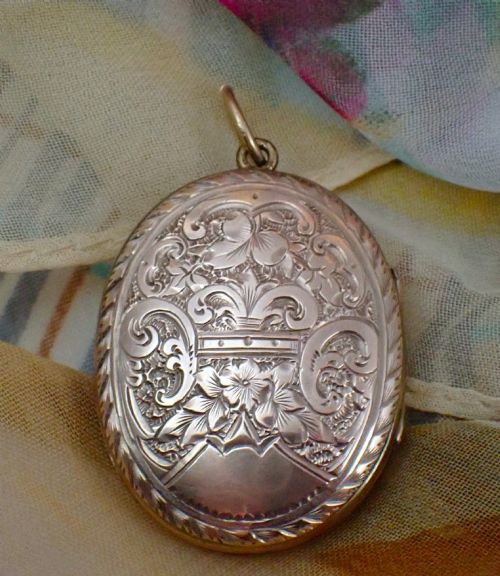
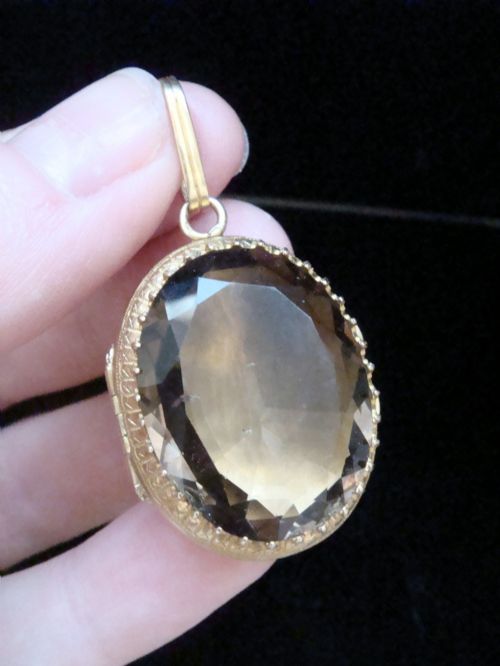
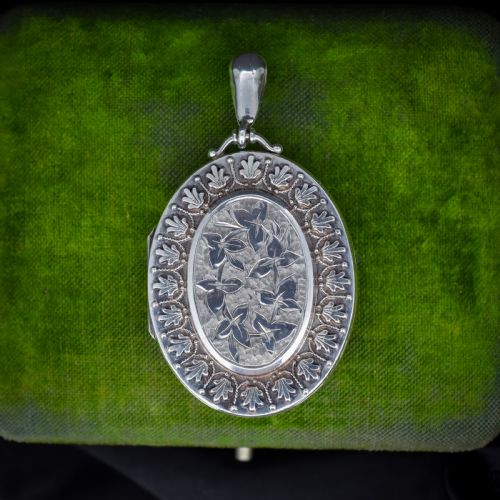
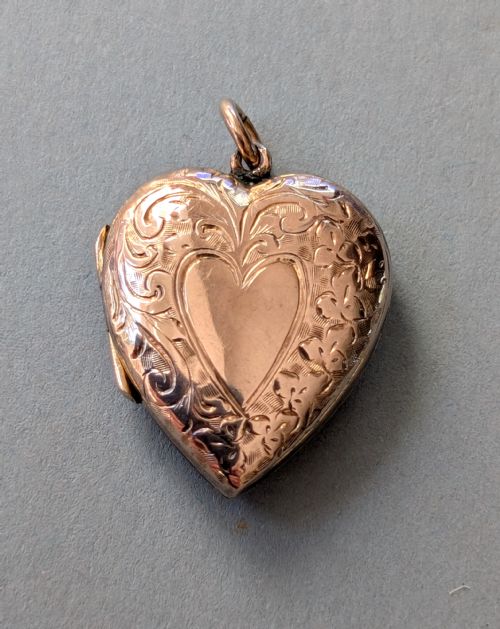
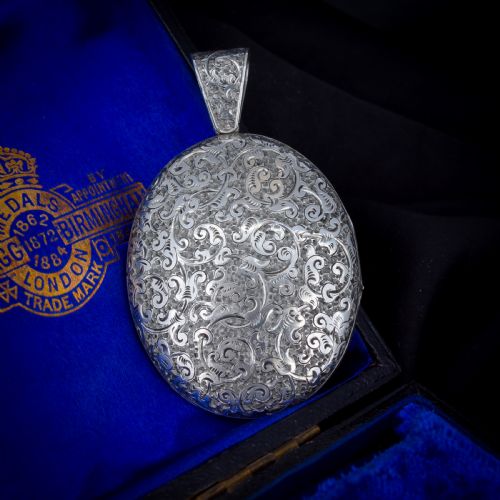
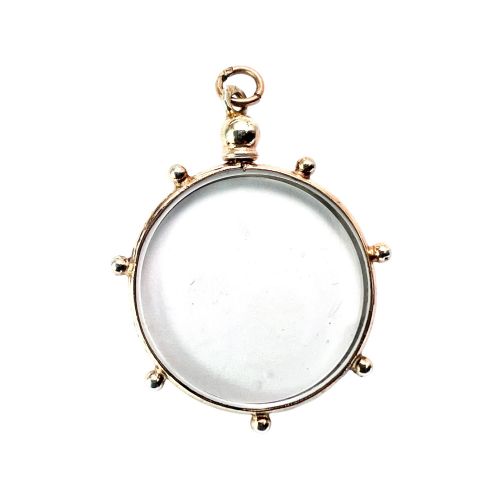
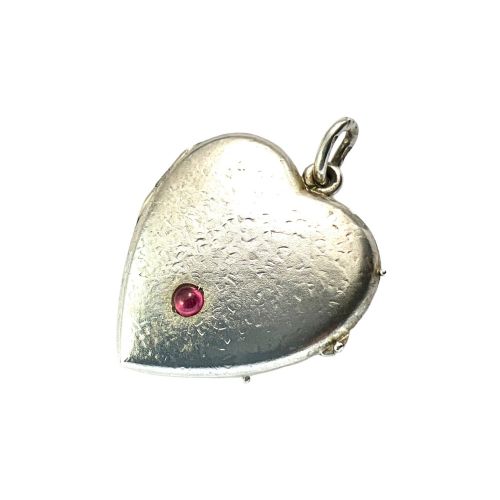
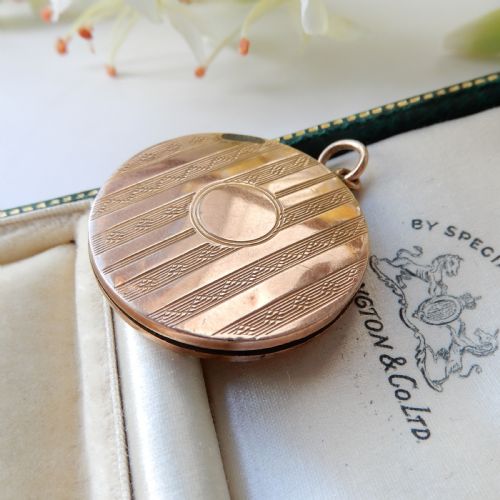
A victorian photo locket serves as a hinged pendant designed to conceal tiny portraits, locks of hair, or small mementos inside a protective metal case. These pieces frequently take the form of ovals, hearts, or circular discs suspended from chains or worn as fobs.
The versions most commonly met on this page originate from the nineteenth century, showcasing sterling silver or yellow gold construction. Many examples display detailed hand engraving, enamel work, or gemstone settings that reflect the aesthetic movements of their time.
How They Were Made
Goldsmiths and silversmiths shaped precious metals using techniques such as hand engraving, filigree wirework, and repoussé to create textured exterior designs. Some items utilise a back and front construction where hollow shells of gold are soldered over a base metal core to achieve structural rigidity without excessive weight.
Gems including seed pearls, turquoises, rubies, and diamonds were flush or bezel set into the metal surface, occasionally accompanied by black enamel for mourning pieces. Glass covers inside the compartments secured the enclosed photographs and miniature paintings.
Victorian Photo Locket Retail Price Guide 2026
Typical asking prices for victorian photo locket among the pieces listed under this phrase on Sellingantiques today, from the lower quarter to the upper quarter. They describe what is for sale here now, not the wider market.
Listings feature sterling silver, 9ct gold, and 18ct gold pieces alongside rolled metal variants, spanning the Georgian, Victorian, and Edwardian eras.
What Varies In Quality
The calibre of a piece depends on the depth and precision of the exterior engraving, the weight of the precious metal, and the integrity of the internal hinge and bezel mechanism. Solid gold or sterling silver specimens represent a higher standard than rolled gold or gilt metal alternatives.
The inclusion of precious stones, hand-painted miniatures, or complex enamel work elevates the refinement of the object. Pieces retaining original glass panels and functional interior frames demonstrate superior preservation.
The Victorian Photo Locket Glossary
- Back and Front
- A method of construction where the outer shells consist of solid gold backed by a base metal interior for added strength. This technique allowed makers to produce accessible jewellery with the appearance of solid precious metal.
- Mourning Locket
- A commemorative piece containing hair, miniature portraits, or black enamel to mark the passing of a loved one. These items gained widespread popularity during the mid-nineteenth century.
- Vesta Case
- A small pocket container originally made to hold matches, occasionally combined with integrated photo frames or secret compartments. Examples often feature hallmarks indicating the assay office and year of creation.
- Repoussé
- A metalworking technique where the artisan hammers the design from the reverse side to form raised reliefs on the front. This process creates tactile floral and scroll motifs across the surface.
- Seed Pearl
- Tiny natural pearls sewn onto wirework or set directly into metal to form floral or star patterns. Their delicate scale characterises much of the decorative work from the period.
Victorian Photo Locket: Frequently Asked Questions
How do I open a locket?
Most hinged examples feature a small thumbnail notch along the side that releases the snap closure when gently pressured. Internal bezels then lift outward to secure photographs against the glass.
Avoid using metal tools to pry stubborn cases open, as this risks scratching the precious metal or damaging the hinge mechanism.
Can I insert modern photographs?
Original compartments inside these items accommodate miniature images trimmed precisely to fit the internal oval or heart shape. Trimming paper prints to match the exact bevel ensures they slide securely behind the glass.
Thick modern card stock should be avoided because it prevents the frame from closing flush against the inner rim.
What is back and front gold?
This term describes a manufacturing process where the exterior surfaces are made of solid gold fused to a base metal interior plate. It provided durable jewellery that withstood daily wear while containing less precious metal.
Such pieces remain authentic period items widely encountered in nineteenth-century collections.
How do I date a locket?
Hallmarks stamped on the metal surface provide assay office symbols, date letters, and maker marks that pinpoint the exact year of manufacture. Stylistic clues such as black enamel mourning motifs or Aesthetic Movement engraving also indicate specific decades.
Comparing the closure style, chain attachments, and gemstone cuts helps narrow the production era.