


Victorian Perfume Phial
A Victorian perfume phial is a pocket companion of glass and silver, carried to hold personal scent during the nineteenth century.
Victorian Perfume Phial
When you search for a Victorian perfume phial, you encounter small personal scent containers dating from the nineteenth century. These items were designed for daily carriage in a pocket or reticule, serving as functional accessories for the fashionable elite.
The pieces appearing on this page span the Victorian and Edwardian eras, encompassing both British workshops and French makers. You will find forms ranging from standard cylinders to novelty shapes like eggs and owls.
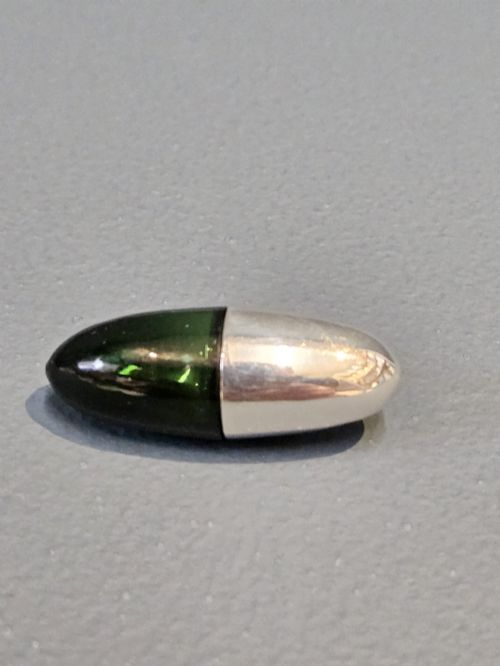
Most examples combine precious metal mounts with glass bodies, reflecting the domestic and continental tastes of the period. They survive as intimate fragments of Victorian social life, prized for their portability and craftsmanship.
How they were made
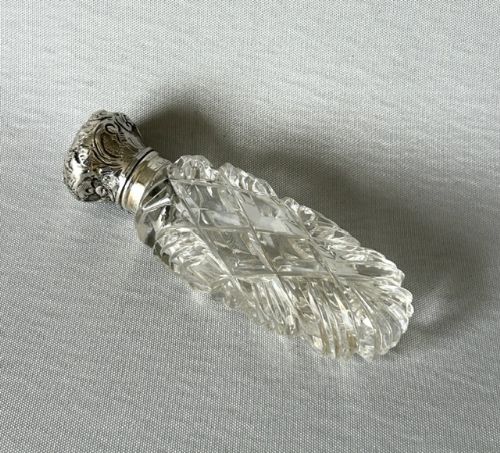
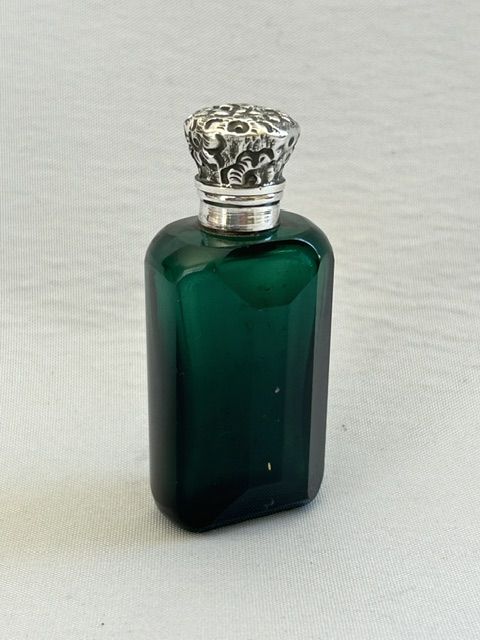
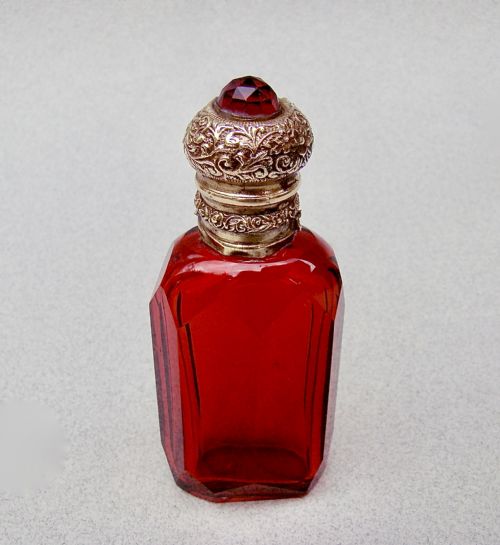
Makers utilised mouth-blown and cut glass for the body of the phial, employing techniques such as flash-cramming and deep wheel-cutting to achieve rich coloured surfaces in cranberry, ruby, and Bristol green hues.
Silver mounts and hinged caps were cast, chased, and engraved by hand, securing tightly over glass stoppers or corks to prevent leakage of volatile oils.
Some pieces integrate gilt bronze, known as ormolu, alongside fitted leather cases lined with silk and velvet to protect the delicate glass within.
Some Victorian owners carried glass phials shaped entirely like small owls, turning a routine scent container into a pocket-sized menagerie.
What varies in quality
The distinction between ordinary and exceptional phials lies in the crispness of the metal chasing and the depth of the glass cutting. Sharp, legible hallmarks and deeply etched floral or figural details indicate superior workshop output.
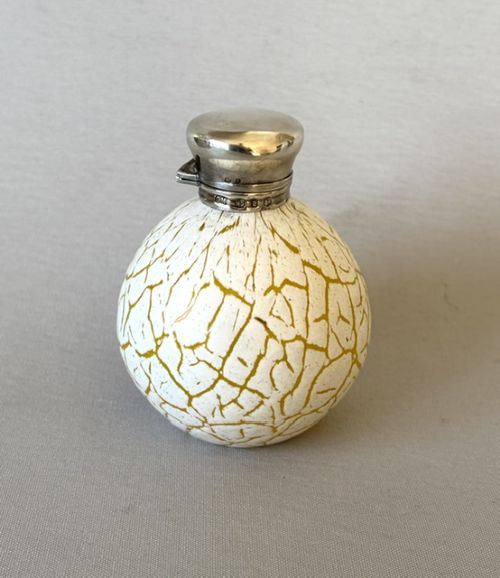
Novelty forms, such as figurative animals or eggs, demand greater sculptural skill from the maker and command closer attention than standard cylindrical shapes.
The integrity of the hinged mount and the snug fit of the inner stopper determine the overall mechanical standard of the survival.
Horton And Allday·Kate Greenaway
The Victorian Perfume Phial Glossary
- Cranberry glass
- A rich pinkish-red glass produced by adding gold chloride to the molten batch. It is characteristic of nineteenth-century decorative and dressing table wares.
- Sterling silver
- An alloy of silver containing 92.5 percent pure silver by mass, standard for British domestic metalwork and hallmarked to indicate assay office and date.
- Ormolu
- A golden-coloured alloy of copper, zinc, and sometimes tin, cast and finished to mount glass and porcelain objects in the French taste.
- Double ended scent bottle
- A form featuring two distinct compartments with separate stoppers or caps, allowing the owner to carry two different fragrances simultaneously.
- Bristol green
- A deep transparent green glass historically produced in the West of England and utilised for wine and scent containers.
Victorian Perfume Phial: Frequently Asked Questions
How were perfume phials carried?
Victorian owners slipped these small containers into fitted leather pockets inside reticules, handbags, or deep coat pockets. Their compact size ensured they remained close at hand during social calls.
Because liquid scents of the era evaporated quickly or required frequent application, these phials provided a portable solution for maintaining personal fragrance throughout the day.
What is a double ended bottle?
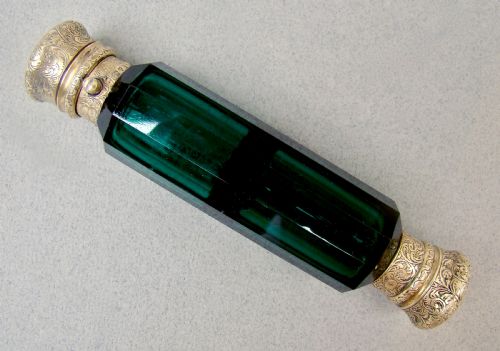
A double ended phial contains two separate compartments opening from opposite ends, each secured by its own metal cap. This ingenious design allowed a lady to carry two distinct perfumes in a single slender vessel.
They often combine cut glass bodies with hinged silver lids at both apexes, requiring careful handling to access each side without spilling.
Why use cranberry glass?
Cranberry glass offered a vibrant, jewel-like aesthetic that appealed strongly to nineteenth-century decorators and buyers. The gold content within the glass batch created a warm, translucent red tone that caught candle and gas light.
Its popularity led to widespread production across British glasshouses, frequently paired with bright sterling silver mounts.
How do I date a phial?
Dating relies heavily on British silver hallmarks stamped onto the metal caps or collars, which record the assay office, standard, and specific year of testing. Stylistic cues such as aesthetic movement engraving or Edwardian proportions also help narrow the timeframe.
Unmarked continental pieces require examination of the glass type, cutting style, and mount construction to place them within the broader nineteenth-century period.