




Victorian Pedestal Light
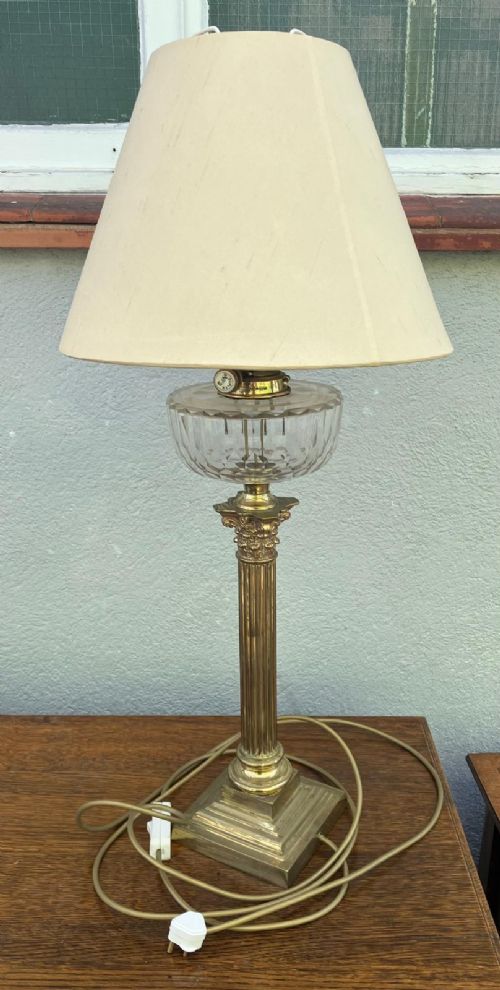
These pieces for a victorian pedestal light bring substantial brass engineering and classical proportion to a room, functioning primarily as heavy table and floor illumination.
Victorian Pedestal Light
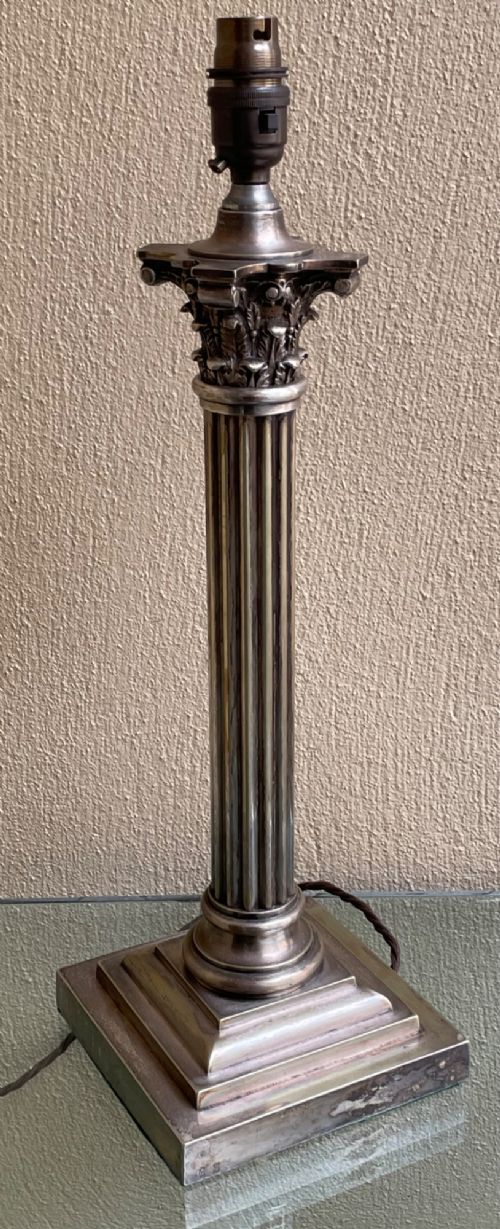
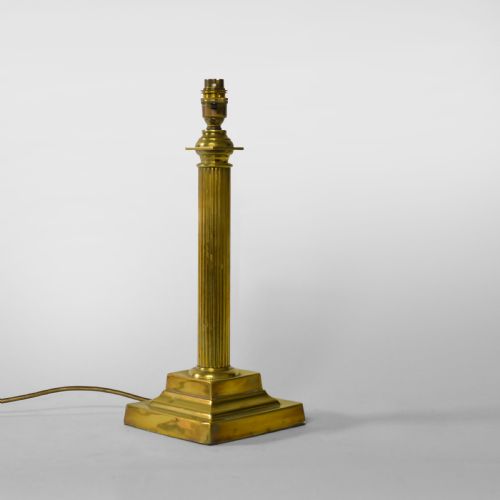
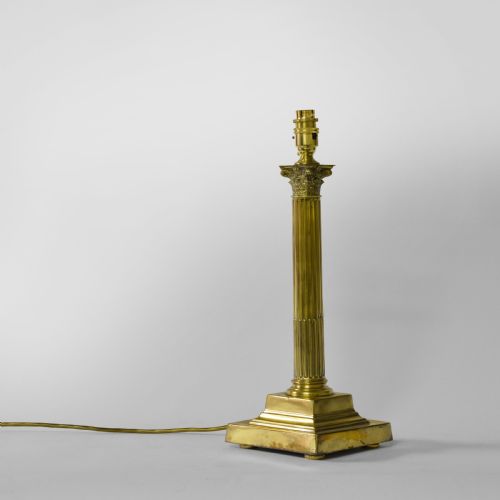
When searching for a victorian pedestal light, you encounter tall column lamps, oil burners and standard floor lights spanning the nineteenth century and the Edwardian era. Brass column forms dominate the selection, heavily influenced by classical orders such as the Corinthian and Ionic.
The category also encompasses heavy metal floor standards and elaborate oil lamps fitted with coloured glass shades. These functional pieces served originally to illuminate large interior spaces before the widespread adoption of domestic electricity.
How they were made
Construction relies heavily upon cast and turned brass, often paired with heavy ceramic reservoirs, cut glass fonts and opaline or cranberry glass shades. Metal components were turned on lathes and chased by hand to achieve crisp fluting and detailed acanthus leaf capitals.
Many specimens incorporate weighted iron bases concealed beneath brass casing to ensure stability for tall columns. Wiring and electrical conversion usually happened long after original manufacture, as these items began life configured for oil or paraffin.
The inventory records pieces originating from the nineteenth century through the Edwardian period, with classical column designs appearing most often.
What varies in quality
Quality rests upon the crispness of the casting work in the brass capitals and the structural gauge of the central column. Superior examples display deep, sharp relief on classical ornament without soft edges from worn moulds.
The weight and proportion of the base determine stability and overall presence. Examples retaining original cut glass or coloured glass shades command greater interest than those altered or fitted with modern replacements.
Heal and Son·Deighton and Dunthorne
The Victorian Pedestal Light Glossary
- Corinthian column
- A classical architectural support featuring an ornate capital decorated with rows of acanthus leaves. This form appears frequently on heavy nineteenth century table lamps.
- Opaline shade
- An opaque, milky glass shade designed to diffuse the harsh glare of an oil flame or early electric bulb. These shades come in plain white or soft pastel tones.
- Standard lamp
- A tall floor-standing light designed to illuminate a room from a vertical pedestal shaft. These heavy metal pieces often feature floral openwork bases.
- Font
- The oil reservoir sitting atop the pedestal column of a nineteenth century lighting piece. They are frequently moulded from cut glass, ceramic or silver plated metal.
Victorian Pedestal Light: Frequently Asked Questions
Were these lights originally electric?
Most surviving examples started life as oil or paraffin burners before being converted for modern electrical wiring during the twentieth century. The conversion process generally involves running a cord down through the hollow brass column.
Original burners and filler caps are frequently retained by collectors even when the lamp is wired for daily use. This preserves the mechanical integrity of the piece.
How do I date a brass column lamp?
Dating relies upon the weight of the metal, the style of the base and the complexity of the Corinthian or Ionic capital casting. Heavier cast components and sharp chasing typically indicate earlier nineteenth century production.
Edwardian and later iterations often display lighter gauge brass and simpler turned details. Patent marks or stamps on the metal components also help narrow down the decade of manufacture.
What rooms suit a floor standard lamp?
Tall standards work effectively beside deep armchairs in libraries or drawing rooms where concentrated reading illumination is required. Their substantial vertical presence demands adequate floor space to stand clear of heavy traffic routes.
Pairing them with period furniture helps anchor their heavy metallic weight within a traditional interior scheme.
How should I clean the brass?
Gentle dusting with a soft cloth is usually sufficient to maintain the surface without removing the accumulated patina of age. Heavy metal polishes should be used sparingly, as aggressive cleaning strips the desirable historical darkened finish.
Glass shades benefit from warm soapy water, provided they are detached carefully from the metal burner assembly beforehand.