




Beaded Fringe Shade Lamp
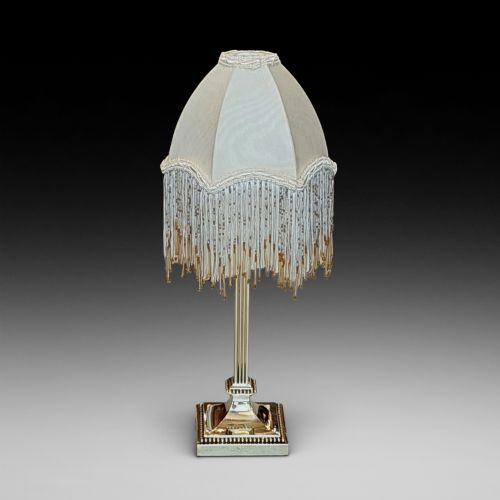
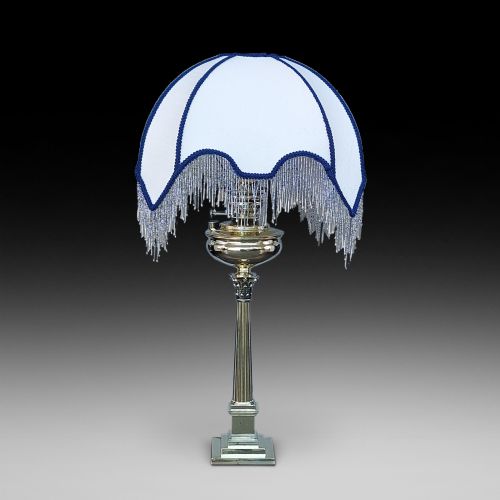
These beaded fringe shade lamp examples combine textured glass drops with classical metalwork, offering soft pools of ambient light for a traditional room.
Beaded Fringe Shade Lamp
A beaded fringe shade lamp brings together decorative lighting fixtures and elaborate hanging beadwork from periods ranging across the Victorian, Edwardian, and early twentieth century. When exploring this search phrase, buyers encounter various forms including converted oil lamps, classical columns, and figurative bronzes fitted with fabric or glass shades.
The selections on this page span several distinct revivalist aesthetics, notably Victorian, Neoclassical, and Arts and Crafts styles. Table lamps dominate the available inventory, showcasing bases cast in brass, bronze, silver plate, and spelter alongside porcelain and marble elements.
Materials and construction methods
Makers constructed these lighting pieces using cast metals such as brass, bronze, and silver plate, frequently shaping them into Corinthian columns or figurative statuary. Silk fabric and glass beads form the distinctive fringe shades that diffuse the illumination from the burner or bulb.
Many examples represent later conversions from earlier oil lamps or bronze figures into electrified table lamps. Artisans combined turned marble plinths, gilt toleware, and cold-painted bronze details to build stable and ornate illumination sources.
Some bronze cherubs spent a quiet century holding oil before quietly shedding their burners for an electric future.
Assessing quality in period lighting
Quality rests in the crispness of the metal casting, particularly on column capitals and figural bronzes where fine detail defines the better workshops. The integration of the shade, the complexity of the glass beadwork, and the weight of the metal base separate standard production from finer decorative pieces.
Material selection significantly influences the character of each piece, distinguishing solid brass and heavy cast bronze from lighter spelter or silver-plated alternatives. The preservation of original cold-painted finishes and delicate silk components further elevates the standing of individual examples.
The Beaded Fringe Shade Lamp Glossary
- Corinthian Column
- A classical column form featuring ornate acanthus leaves on the capital, frequently utilised for nineteenth-century lamp bases. This architectural style was especially popular during the Victorian and Edwardian periods.
- Cold Painted
- A technique where bronze or metal figures receive paint directly onto the cold surface without kiln firing. This method preserves intricate polychrome details on decorative statuary.
- Spelter
- An alloy of zinc and lead cast into decorative shapes as an economical substitute for bronze. It appears frequently in twentieth-century figural bases.
- Toleware
- Lacquered or painted metalware produced to imitate Asian or European decorative objects. It adds colourful accents to lamp components.
- Oil Lamp
- A lighting vessel designed to burn liquid fuel through a wick before later conversion to electricity. Many surviving examples retain their original metal reservoirs.
Beaded Fringe Shade Lamp: Frequently Asked Questions
What is a beaded fringe shade lamp?
A beaded fringe shade lamp combines a decorative metal or ceramic base with a fabric or glass shade trimmed in dangling beads. These pieces create diffused, atmospheric illumination.
They draw upon Victorian, Edwardian, and early twentieth-century design motifs. Many originate as converted oil lamps or classical columns.
How do I date a beaded fringe shade lamp?
Dating relies upon examining the materials, casting quality, and stylistic revival cues of the base. Victorian and Edwardian examples often feature heavy brass or bronze work.
Later pieces from the nineteen-twenties introduce spelter and distinct art deco influences. Conversions of earlier oil lamps provide further clues regarding the manufacturing era.
Were these lamps originally electric?
Many examples began as oil lamps or bronze statuettes before undergoing subsequent conversion to electricity. This adaptation process preserves the decorative metal body while updating the utility.
Evidence of burners, reservoirs, and later wiring alterations helps trace the working history of each fixture.
How do I clean the beaded fringe?
Cleaning requires delicate handling to protect fragile silk threads and glass drops attached to the shade. Gentle dusting or surface wiping prevents damage to the hanging elements.
Harsh chemical cleaners should remain strictly away from both the fabric fringe and the patinated metal bases.
Where should I place these lamps?
These lamps suit side tables, desks, or reading corners where their decorative shades and diffused light can create a focal point. Their classical columns and figural bases complement traditional interiors.
Placement should account for the height of the column and the generous spread of the beaded shade.