



Victorian Pearl Ring
A victorian pearl ring brings together organic lustre and precious metals, prized for its delicate contrast and enduring nineteenth-century sentiment.
Victorian Pearl Ring
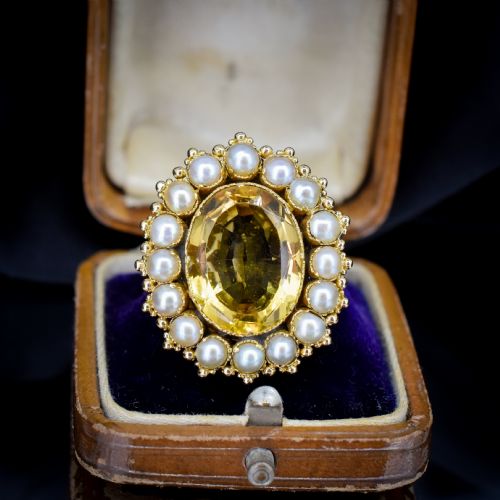
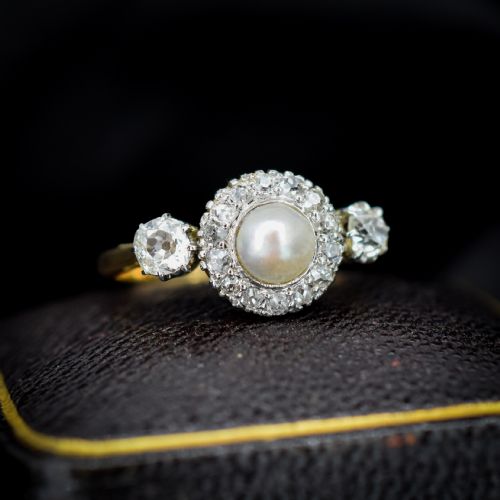
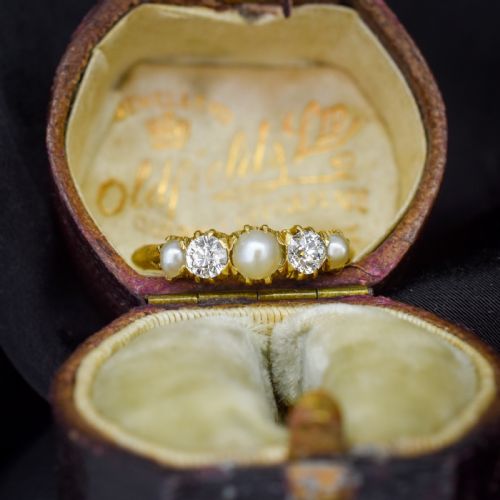
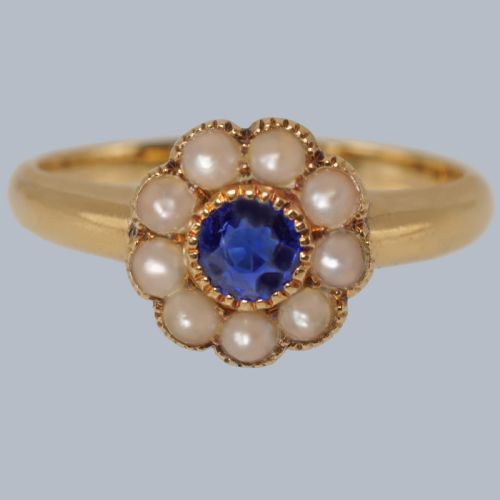
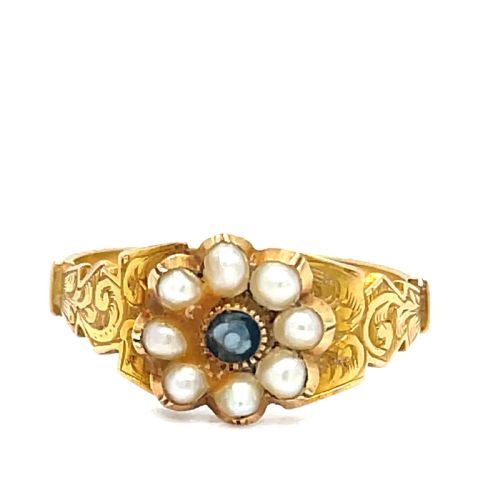
A victorian pearl ring encompasses cluster, band, multi-row, and mourning designs created during the nineteenth century and the Edwardian era. These pieces frequently pair pearls with coloured gemstones such as turquoise, garnet, amethyst, and diamond.
The materials range from 9ct, 12ct, 14ct, 15ct, to 18ct yellow and rose gold settings. Buyers encounter variations featuring seed pearls, split pearls, and natural pearls arranged in floral, star, or navette configurations.
How they were made
Goldsmiths utilised varying purities of gold, notably 15ct and 18ct, casting or hand-fabricating intricate bands, bezels, and cluster mounts. Stones were secured using collet, prong, or star settings tailored to the rounded contours of pearls.
Pearls and seed pearls were meticulously drilled and fixed onto pegs or clustered alongside old-cut diamonds, rubies, and turquoise. Enamel work and engraved details frequently completed the construction of memorial and dress rings.
Victorian Pearl Ring Retail Price Guide 2026
Typical asking prices for victorian pearl ring among the pieces listed under this phrase on Sellingantiques today, from the lower quarter to the upper quarter. They describe what is for sale here now, not the wider market.
What varies in quality
Quality rests upon the matching and lustre of the pearls, alongside the weight and purity of the gold mount. Superior examples maintain intact nacre, secure stone settings, and crisp, legible hallmarks.
The complexity of the design, such as multi-row cluster configurations or detailed enamel and diamond work, distinguishes finer studio pieces from standard production bands.
The Victorian Pearl Ring Glossary
- Seed pearl
- A very small, naturally formed or cultured pearl often used in tight clusters or pavé arrangements. These tiny spheres create delicate floral and geometric patterns.
- Split pearl
- A pearl that has been halved, typically for mounting flat against a gold backing plate. This technique allows pearls to sit flush within cluster and ring designs.
- Navette
- A boat-shaped gemstone or ring setting that tapers to sharp points at either end. This elongated style became popular for cluster designs.
- Mourning ring
- A piece of jewellery commissioned to commemorate a deceased person, frequently incorporating hair under crystal, black enamel, and pearls. These items served as sentimental keepsakes.
- Old-cut diamond
- A hand-faceted diamond cut prior to the standardisation of modern brilliant cuts, characterised by a smaller table and a higher crown. They appear frequently in nineteenth-century settings.
Victorian Pearl Ring: Frequently Asked Questions
How do I care for a pearl ring?
Pearls are a soft organic material requiring gentle cleaning with a soft cloth and warm water. Avoid exposure to harsh chemicals, perfumes, and ultrasonic cleaners.
Store the ring separately from harder gemstones to prevent scratching the delicate nacre surface over time.
Are these rings made with natural pearls?
Nineteenth-century rings frequently incorporate natural saltwater pearls or early cultured varieties. Jewellers also utilised seed pearls and split pearls in various cluster formations.
Microscopic examination of the drill holes and lustre helps determine the origin of the pearls used in specific pieces.
What gold purities were used?
Victorian and Edwardian jewellers utilised a range of gold purities, including 9ct, 12ct, 14ct, 15ct, and 18ct gold. Rose gold and yellow gold were both common choices for settings.
British pieces often bear regional hallmarks indicating the assay office and exact year of manufacture.