

Victorian Pearl Jewellery
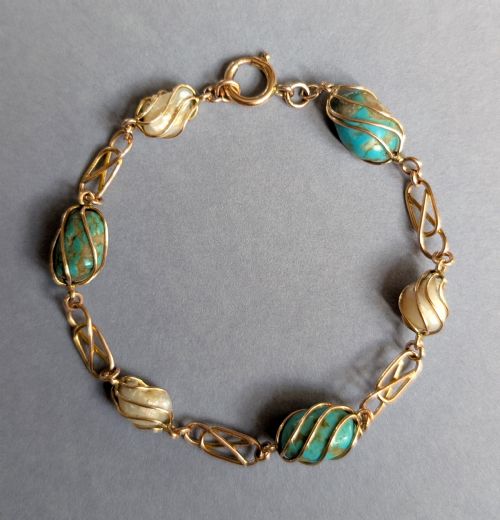
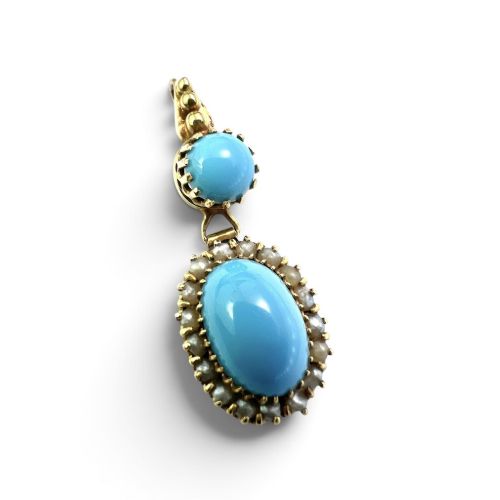
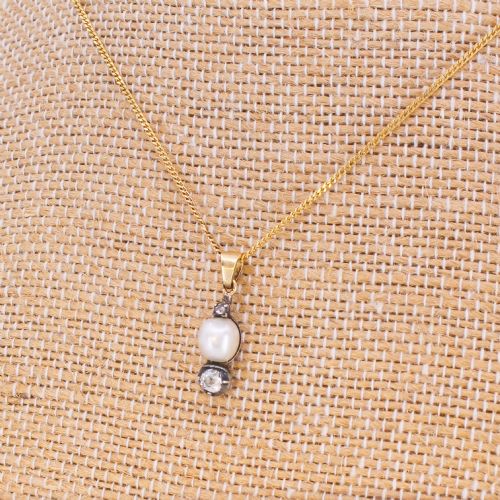
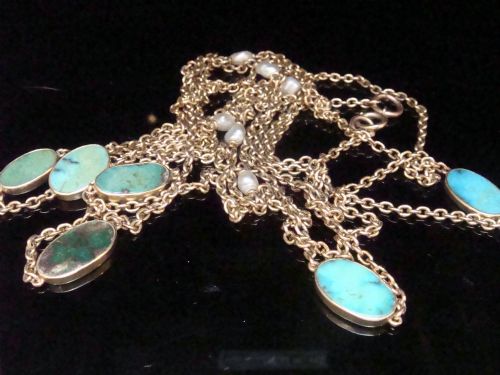
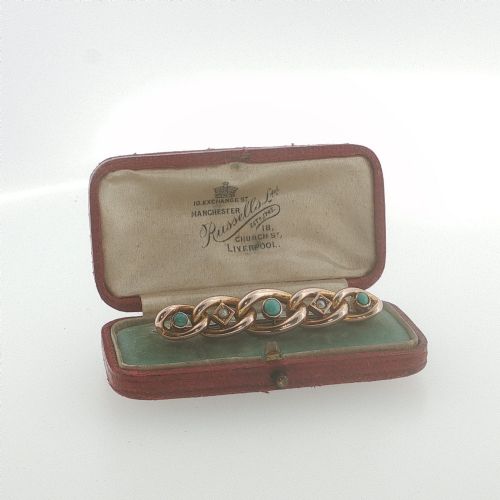
When you handle victorian pearl jewellery, you find pieces set in gold alongside gemstones like turquoise, garnet, and diamond.
Victorian Pearl Jewellery
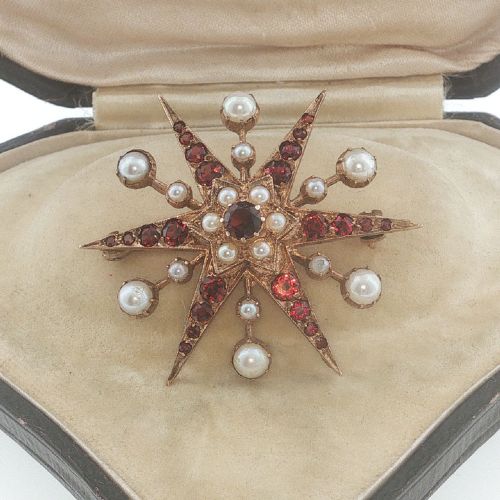
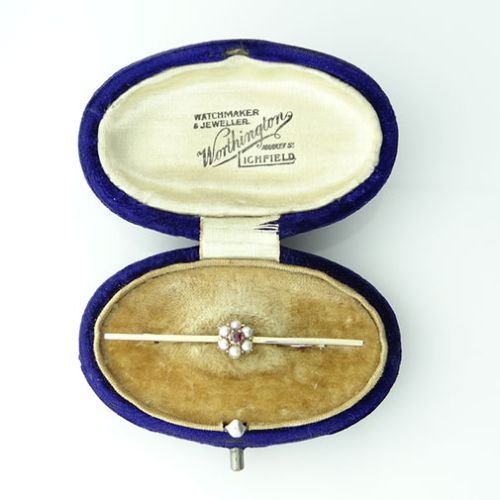
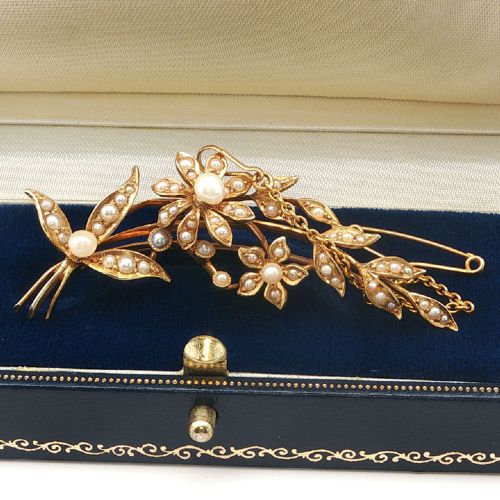
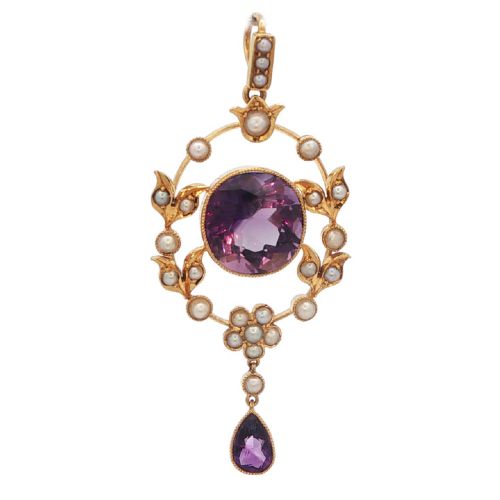
Victorian pearl jewellery encompasses rings, brooches, lockets, and pendants created during the nineteenth century and subsequent revival periods. These items incorporate pearls and seed pearls arranged in floral, star, crescent, and cluster motifs.
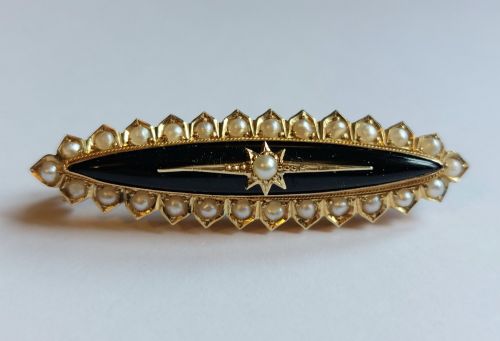
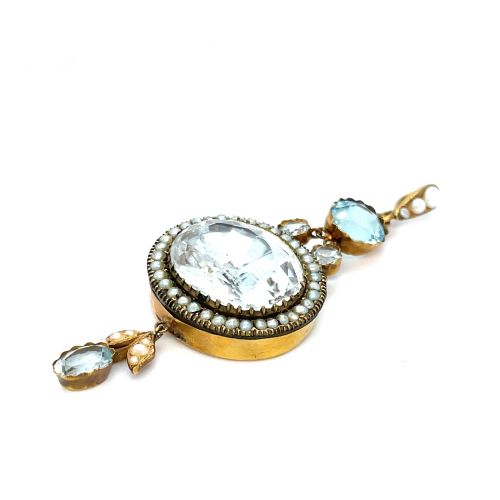
The objects seen here range from mourning brooches set with onyx to delicate drop necklaces and multi-stone rings. Seed pearls frequently accent larger central gemstones or form intricate halo designs.
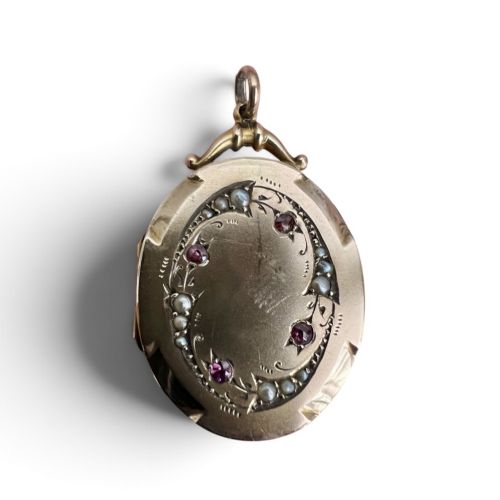
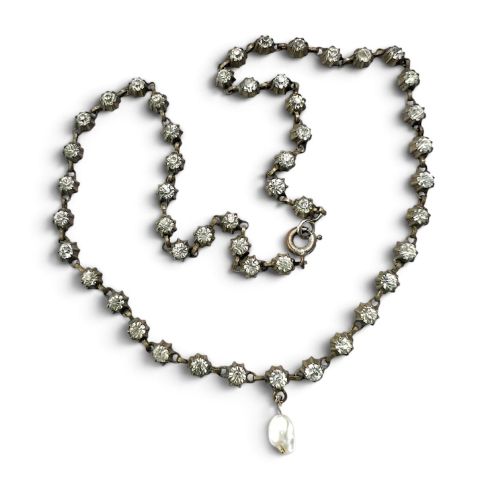
Pendants and chains from this selection display varied gold purities alongside silver settings used in specific pendant and locket designs.
Materials and Construction
Makers utilised 15ct and 9ct gold, alongside 18ct gold, to mount natural pearls, seed pearls, and alternating coloured stones such as turquoise, ruby, and amethyst. Metalwork involves hollow stampings, cast components, and hand-set prongs.
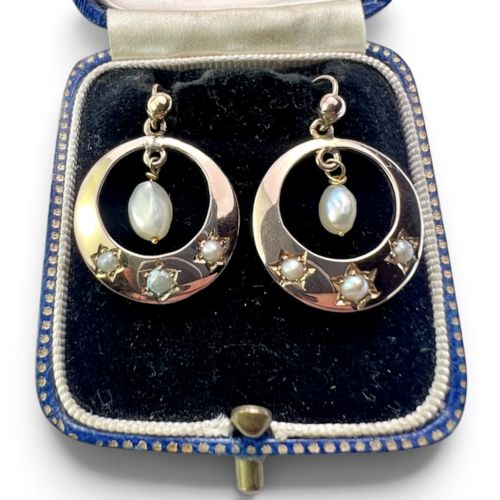
Pearls are secured via peg settings, fine wire, or adhesive within starbursts and floral clusters, while seed pearls often appear strung or glued in tightly packed rows and decorative configurations.
Victorian Pearl Jewellery Retail Price Guide 2026
Typical asking prices for victorian pearl jewellery among the pieces listed under this phrase on Sellingantiques today, from the lower quarter to the upper quarter. They describe what is for sale here now, not the wider market.
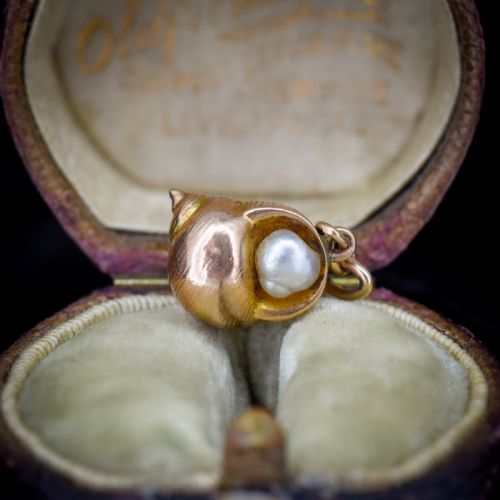
A tiny gold fly charm pendant holds a single pearl within its delicate wings.
Judging Quality
Quality in these items rests on the uniformity of the pearls, the intricacy of the metalwork, and the harmony of the gemstone combination. Well-executed pieces display secure stone placement and balanced proportions within motifs like stars and crescents.
Subtle variations in gold purity and the original condition of the pearl surfaces distinguish standard production items from finer, more elaborate examples.
The Victorian Pearl Jewellery Glossary
- Seed pearl
- A very small, naturally formed pearl often used in cluster and starburst arrangements. These tiny pearls cover the surfaces of brooches and rings from the period.
- Mourning jewellery
- Pieces created to commemorate a deceased person, frequently incorporating dark materials like onyx or black enamel alongside pearls. These items often conceal a rear compartment for hair.
- Suffragette chain
- Jewellery incorporating specific colour stones such as green garnet, violet amethyst, and white pearl. These hues symbolised the political movement during the Edwardian era.
- Halo pendant
- A central gemstone surrounded by a ring of smaller stones, typically diamonds or pearls. This arrangement maximises visual impact and light reflection.
Victorian Pearl Jewellery: Frequently Asked Questions
How do I care for these pearls?
Pearls are organic gems that require gentle cleaning with a soft cloth and warm water. Avoid chemical cleaners, ultrasonic baths, and prolonged exposure to cosmetics or perfumes.
Store them separately from harder gemstones to prevent surface scratching on the delicate nacre.
Were all these pieces made in the nineteenth century?
While the design styles originate from the Victorian period, production dates span into the Edwardian era and later twentieth-century revivals. Hallmarks and material testing help determine the exact decade of manufacture.
Items from the archive also include nineteenth-century rosewood boxes inlaid with mother-of-pearl.
What is a seed pearl starburst?
A starburst design arranges tiny seed pearls in radiating points from a central stone or gold dot. This motif appears frequently on brooches and earrings from the era.
The configuration creates a bright, textured surface that mimics the sparkle of cut diamonds.
How can I tell natural pearls from cultured ones?
Most antique pieces utilise natural pearls or early seed pearls gathered before modern culturing techniques became widespread. Examining the drill holes and surface lustre under magnification reveals the natural formation layers.
Gemmological testing provides definitive confirmation of pearl origin for significant pieces.