



Victorian Painting
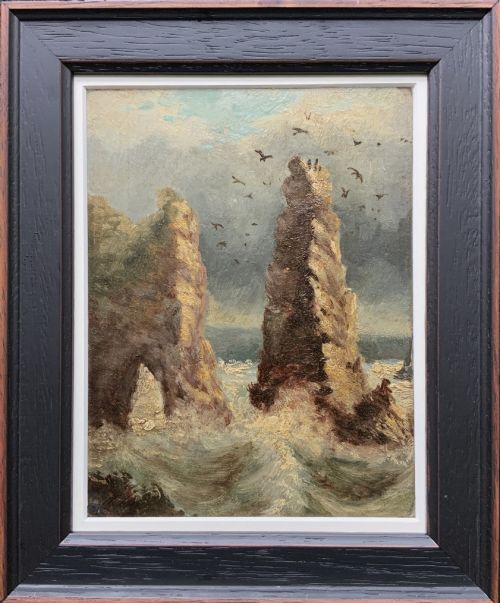
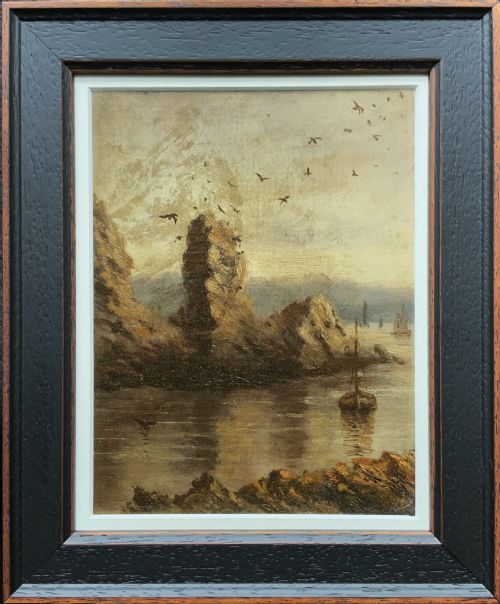
These pieces of victorian painting capture the nineteenth century through oil on canvas, watercolours, and painted plaques.
Victorian Painting
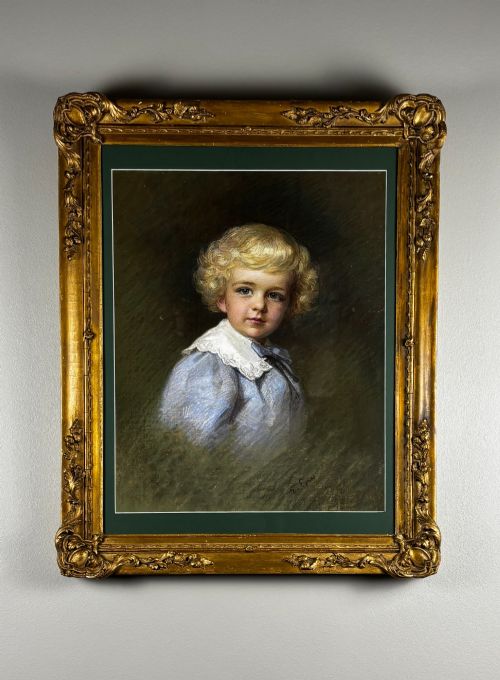
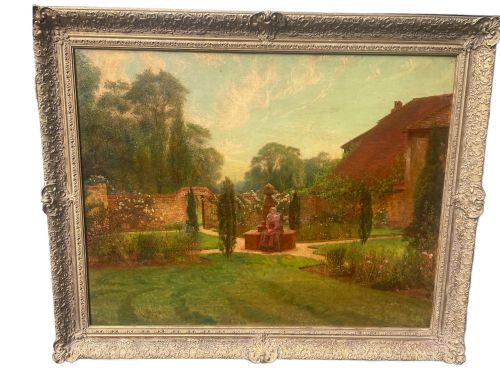
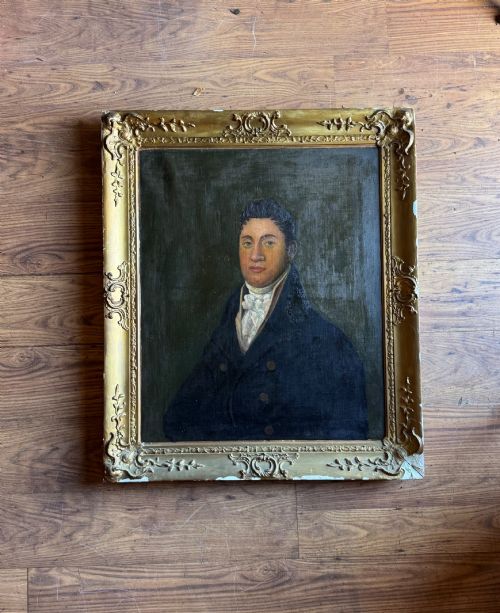
A buyer searching for a victorian painting encounters canvas works, watercolours, and hand-painted porcelain plaques spanning the nineteenth century. The selection contains rural landscapes, animal studies featuring dogs and horses, still life compositions of butterflies and flowers, and formal portraiture.
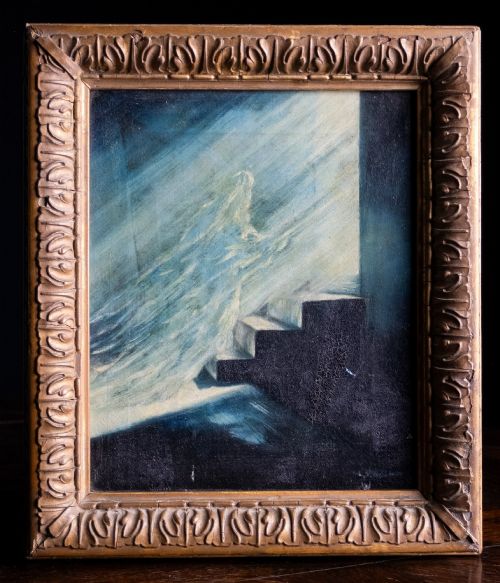
Most examples originate from the broader nineteenth century and Victorian periods, often framed in deep giltwood and gesso. These works reflect both British and European schools, capturing pastoral scenes and coastal views like Palermo harbour.
Materials and Techniques
The physical evidence centres on oil on canvas and delicate watercolours applied to paper or card. Painters utilised rich pigments to render detailed textures, from animal coats to floral arrangements.
Surviving works rely on substantial support structures, frequently housed within ornate giltwood and gesso picture frames that complement the depth of the painted surface.
Victorian Painting Retail Price Guide 2026
Typical asking prices for victorian painting among the pieces listed under this phrase on Sellingantiques today, from the lower quarter to the upper quarter. They describe what is for sale here now, not the wider market.
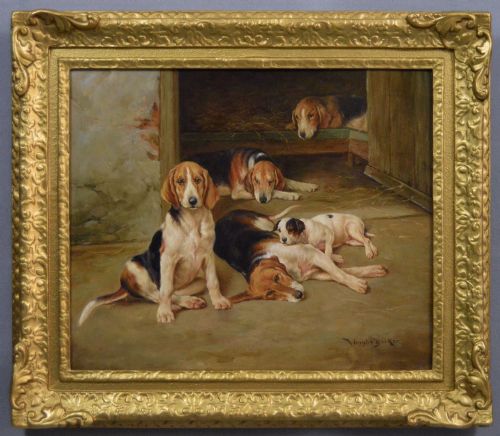
Several canvases are dedicated entirely to the serious expressions of nineteenth century dogs.
Quality Variations
The standard of a painting depends upon the precision of the brushwork and the naturalism of the subject matter, such as equine anatomy or portrait expressions. Finer pieces demonstrate careful management of light and shadow across canvas or paper.
Framing adds another distinction, where deep moulded giltwood and gesso surrounds enhance the visual impact of the primary artwork compared to simpler housing.
Charles Bilger Spalding·Robert Buchan Nisbet·Agnes Augusta Talboys·James Elliot·Alonso Perez
The Victorian Painting Glossary
- Oil on Canvas
- Pigment mixed with drying oil applied to stretched fabric. This medium allows for rich colour blending and textured brushwork.
- Giltwood
- Wood carved and coated with gold leaf. It provides a reflective, ornate border for formal nineteenth century art.
- Gesso
- A paint mixture consisting of a binder mixed with chalk or gypsum. It forms the smooth base layers beneath decorative frame gilding.
- Watercolour
- Paint consisting of water-soluble pigments. Artists used this medium on paper for luminous landscapes and botanical studies.
Victorian Painting: Frequently Asked Questions
What subjects appear in these paintings?
The available subjects span rural landscapes, sporting scenes with horses and hounds, and detailed studies of dogs and livestock. Still life compositions of flowers and butterflies also feature prominently.
Portraiture forms another distinct category, capturing sitters within traditional nineteenth century settings.
How do watercolours differ from oils?
Waterworks utilise pigments suspended in water-soluble binders applied to paper supports, creating a translucent finish. Oil paintings use drying oils on canvas, allowing for heavier textures and deeper colour saturation.
Both mediums reflect the dominant artistic techniques of the Victorian era.
How should these paintings be framed?
Many period works are housed in deep giltwood and gesso frames designed to complement the artwork. Maintaining original framing preserves the historical context of the piece.
Displays should avoid direct sunlight to protect pigments from fading over time.
What periods do these paintings represent?
The works primarily date from the nineteenth century and the Victorian era, capturing the shifting aesthetic movements of the period. Signatures and styles often point to specific British and European schools.
Dates range from the mid nineteenth century through to the early twentieth century.