






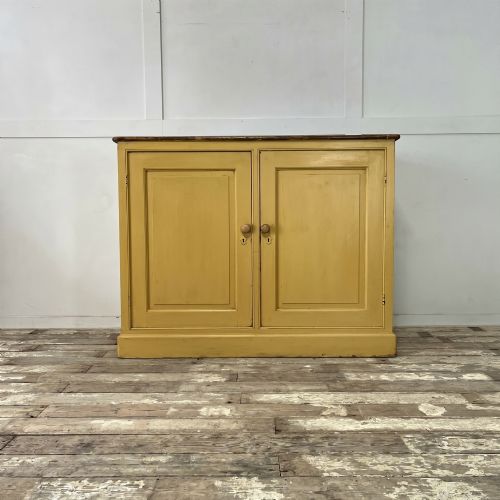
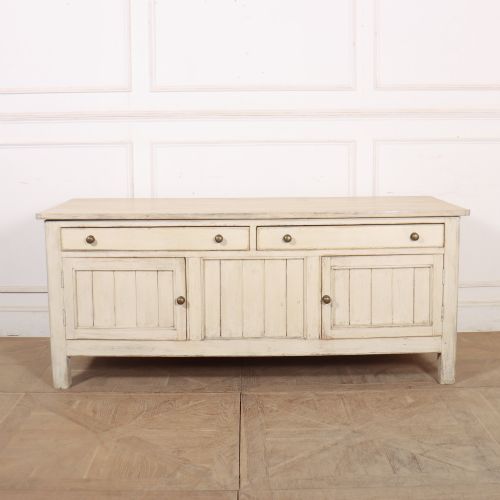
Victorian Painted Sideboard
A victorian painted sideboard brings practical storage and surface character into a room through generous proportions and historic finishes.
Victorian Painted Sideboard
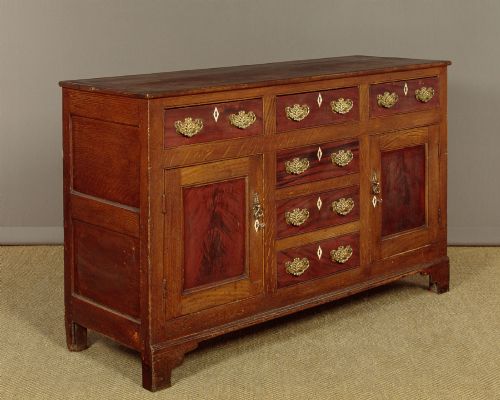
A victorian painted sideboard combines the storage utility of deep drawers and cupboards with decorative painted surfaces spanning the nineteenth century. Buyers searching this phrase will find a variety of forms ranging from robust country house dresser bases to refined satinwood side cabinets.
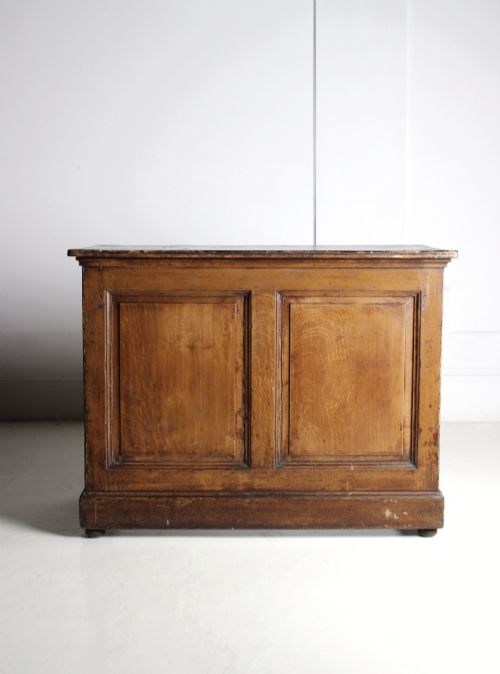
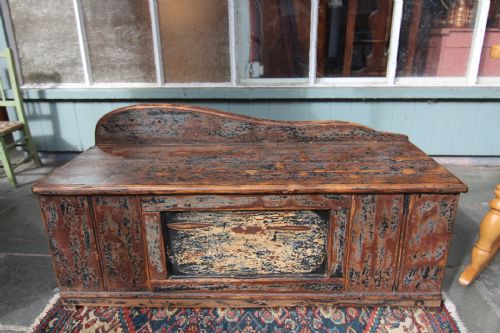
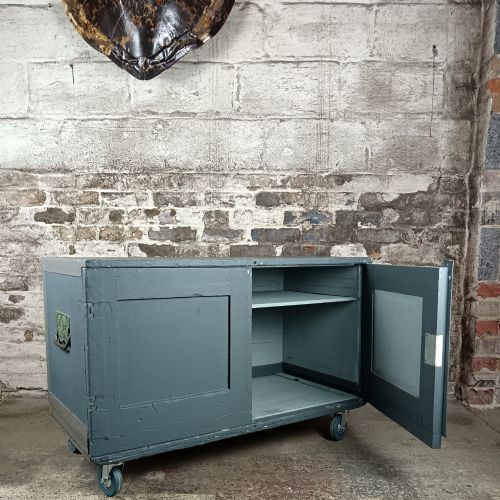
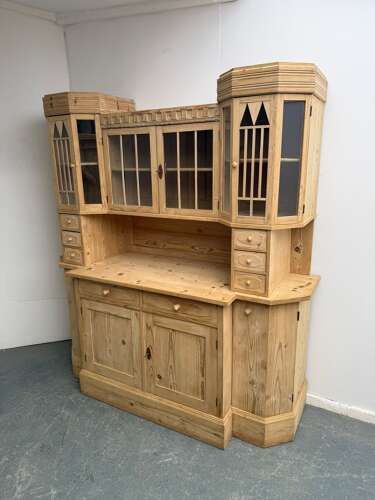
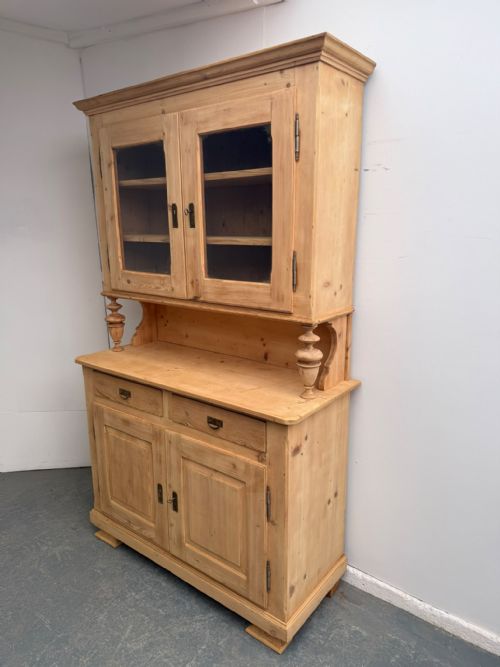
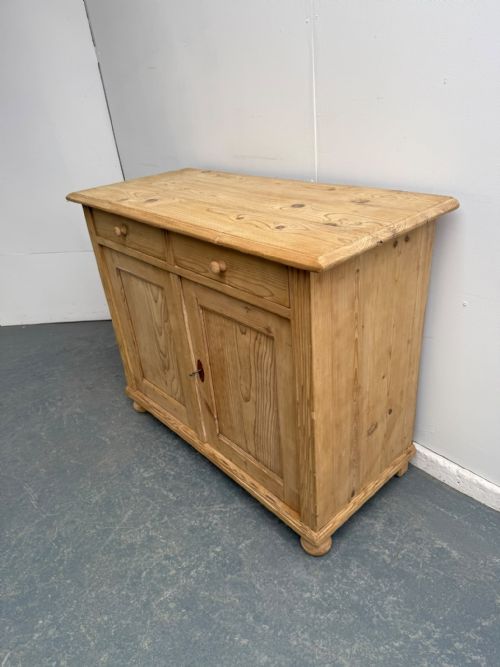
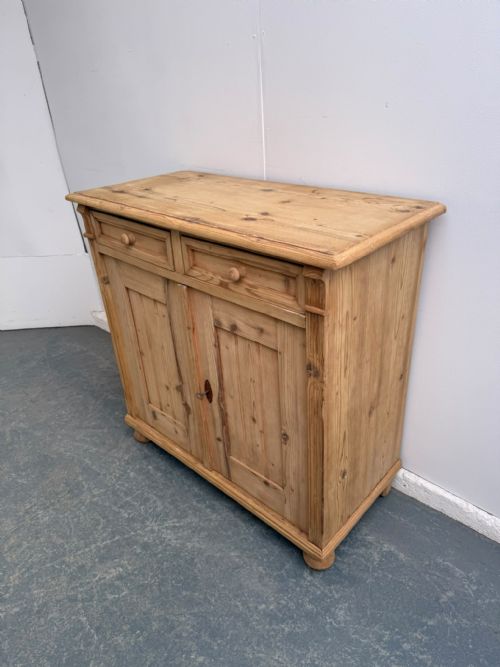
The most common examples on this page are constructed from pine, often retaining original or early painted finishes in light green, black, or natural tones. These pieces frequently manifest as kitchen dressers, side cabinets, and low storage cupboards originating from English and continental workshops.
Alongside utilitarian pine pieces, the selection includes formal satinwood side cabinets and bow-fronted serving tables displaying Sheraton revival or Adam revival influences. These variations reflect the diverse domestic settings these items occupied, from sculleries and dairies to formal drawing rooms.
How They Were Made
Construction relies heavily on solid pine, maple, and mahogany carcasses assembled with traditional joinery methods suited to heavy domestic use. Workshops utilised brass and iron hardware for hinges, pulls, and locking mechanisms.
Surfaces received decorative attention through hand painting, ebonising, or inlay work using contrasting satinwood and glass elements. Many pieces preserve layers of original paint applied to protect the timber and impart colour to the interior spaces.
Victorian Painted Sideboard Retail Price Guide 2026
Typical asking prices for victorian painted sideboard among the pieces listed under this phrase on Sellingantiques today, from the lower quarter to the upper quarter. They describe what is for sale here now, not the wider market.
What Varies in Quality
Quality separates through the integrity of the original timber and the survival state of the painted surface layer. Pieces retaining untouched period paint hold greater material honesty than those stripped or repeatedly coated over generations.
Construction refinement marks the distinction between vernacular country furniture and urban cabinet-making. Fine dovetailed drawers, balanced proportions, and careful inlay work demonstrate superior workshop execution.
Maple and Co
The Victorian Painted Sideboard Glossary
- Dresser Base
- The lower section of a kitchen dresser featuring cupboards and drawers without the upper plate rack. This form provides a wide surface and substantial enclosed storage.
- Satinwood
- A lustrous tropical hardwood utilised for fine veneer and inlay work on decorative cabinets. It offers a pale yellow ground that accepts painted panels particularly well.
- Bow Front
- A convex curved cabinet front popular in nineteenth-century case furniture. This shape softens room angles and increases internal capacity.
- Demi-Lune
- A half-moon shape characteristic of side tables and cabinets designed to stand flush against a wall. It provides a compact footprint while maintaining surface area.
- Bread Slide
- A pull-out wooden shelf integrated into dresser bases and cupboards. Historically used for cooling baked goods or expanding workspace.
Victorian Painted Sideboard: Frequently Asked Questions
What is a victorian painted sideboard used for?
These pieces serve as practical storage cabinets and display surfaces in dining rooms, hallways, and kitchens. Cupboards and drawers accommodate tableware, linens, and household goods.
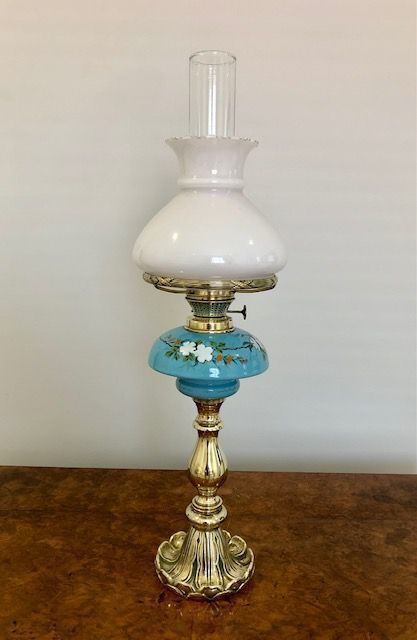
The wide top surface provides space for serving food or displaying decorative objects like lamps and ceramics.
How do I identify original paint?
Original paint exhibits natural wear patterns, craquelure, and adherence to the underlying timber consistent with age. Multiple microscopic layers often reveal historic colour changes beneath the surface.
Modern synthetic paints lack the depth and subtle texture found on nineteenth-century finished surfaces.
Are these pieces made of solid wood?
Most utilitarian pieces utilise solid pine throughout the carcass, drawer linings, and structural framing. Finer decorative items incorporate hardwoods like mahogany and satinwood veneers over secondary timbers.
Solid construction ensures durability and allows surfaces to be maintained or refinished over centuries of use.
How do I care for a painted finish?
Maintain painted surfaces by dusting regularly with a dry, soft cloth and avoiding harsh chemical cleaning agents. Protect the timber from direct sunlight and extreme humidity fluctuations to prevent cracking.
Applying occasional wax preserves exposed wood edges while leaving historic paint layers undisturbed.