






Victorian Painted Pine Coffer
When you want a victorian painted pine coffer, you are looking at practical nineteenth-century storage that doubles as folk art.
Victorian Painted Pine Coffer
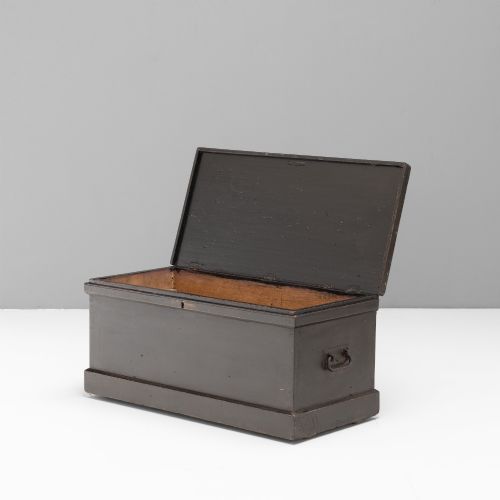
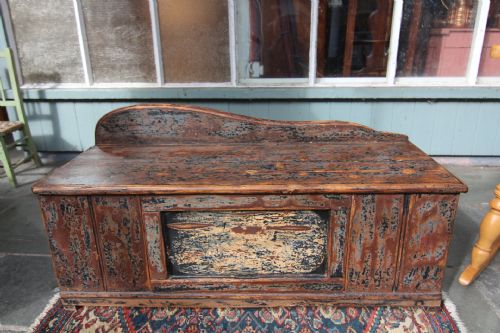
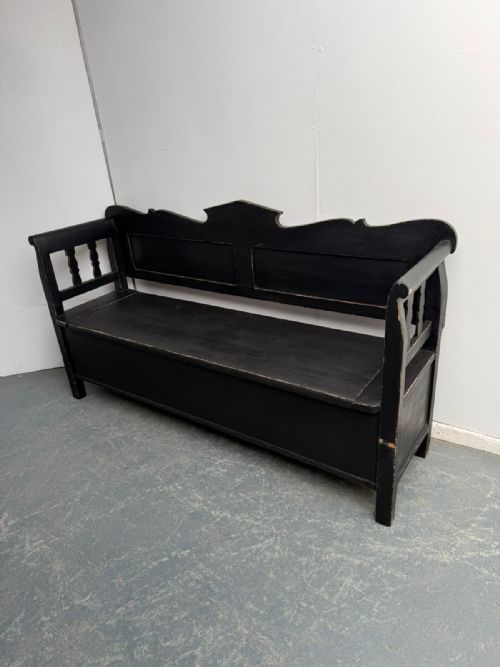
A victorian painted pine coffer serves as a sturdy timber box for blankets, travel, or seating, appearing in forms such as blanket boxes, mule chests, and bench seats. These pieces range from simple provincial storage to decorated country house examples.
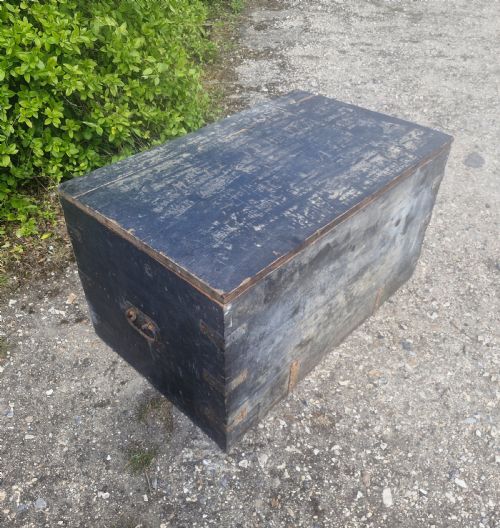
The nineteenth-century selection spans compact travelling trunks, maritime chests, and artisan boxes. Many examples carry original paint, scumble, or graining applied to soft pine.
Makers produced these functional items for estates, households, and travel. You will encounter rustic country variants alongside campaign and military trunks.
How they were made
Constructed primarily from solid pine, these pieces rely on durable timber framing joined for heavy daily use. Iron and brass fittings such as hinges, handles, and lock plates reinforce the structure for travel or domestic storage.
Surfaces received decorative treatments including hand painting, scumbling, and polychrome finishes to imitate more expensive woods or display folk art designs. Some interiors retain original paper or fabric linings.
Materials recorded across the inventory include pine, iron, paint, brass, paper, fabric, painted wood, and leather.
What varies in quality
The survival of original surface decoration distinguishes standard utility boxes from superior artistic examples. Pieces retaining their initial scumble, graining, or polychrome paint without modern intervention command greater interest.
Structural integrity and hardware completeness determine the grade of a chest. Original iron or brass mounts, functioning locks with keys, and untouched timber feet elevate the piece.
The Victorian Painted Pine Coffer Glossary
- Scumble
- A decorative painting technique involving a translucent layer over a solid base colour to simulate wood grain or texture. It is typical of nineteenth-century country furniture.
- Mule chest
- A storage chest fitted with one or more drawers at the base beneath the main compartment. This form bridges the traditional coffer and the modern chest of drawers.
- Campaign trunk
- A portable chest built for military officers or travellers, equipped with recessed handles and reinforced corners. These pieces were designed to withstand rigorous transit.
Victorian Painted Pine Coffer: Frequently Asked Questions
How were these coffers used?
These boxes served primarily for storing household textiles, blankets, and personal possessions in nineteenth-century homes. Many travelled with their owners as luggage or functioned as seating benches in hallways and bedrooms.
Over time, they adapted to domestic life as sturdy storage furniture. Their robust construction allowed them to endure decades of practical use.
How do I date a painted pine chest?
Dating relies on examining construction methods, hardware types, and the composition of the paint layers. Nineteenth-century pieces often display hand-forged iron hinges and period-specific scumble or polychrome finishes.
Comparative study of regional styles helps narrow down the decade of manufacture. Original locks and interior paper linings also provide clues to the exact period.
Are painted finishes original?
Determining original paint involves inspecting surface wear, crackle patterns, and the integration of the pigment with the pine timber beneath. Traces of early scumbling or polychrome decoration indicate factory or estate application.
Expert examination under natural light reveals subsequent overpainting or restoration. Untouched surfaces exhibit consistent ageing alongside the wood.
How do I care for antique pine?
Keep painted pine furniture away from direct sunlight and extreme humidity fluctuations to protect the fragile surface decoration. Dust gently with a dry cloth and avoid harsh chemical cleaners.
Maintaining a stable indoor climate preserves both the softwood timber and the historic paint layers. Wax should be applied sparingly only to unpainted wooden surfaces.