

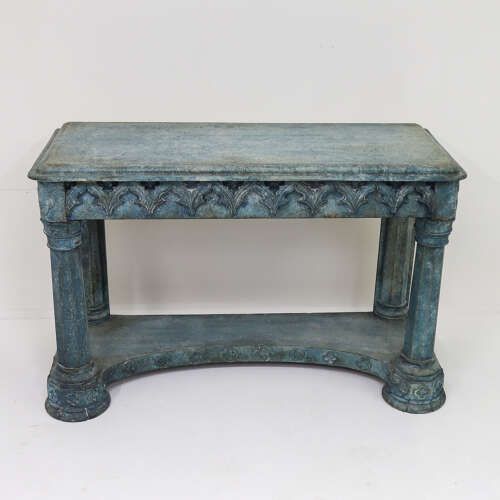
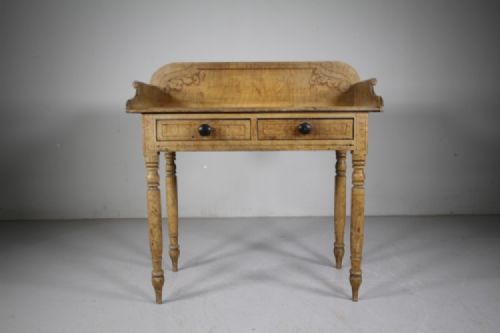


Victorian Painted Hall Table
A victorian painted hall table brings useful surface space and character to an entrance, grounded in nineteenth-century utility and decorative charm.
Victorian Painted Hall Table
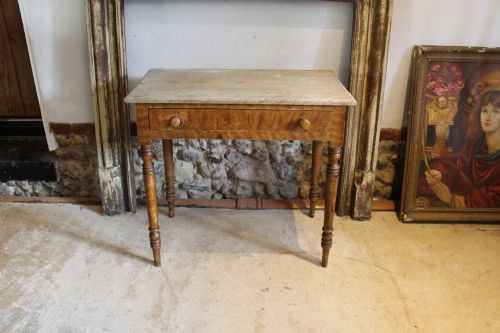
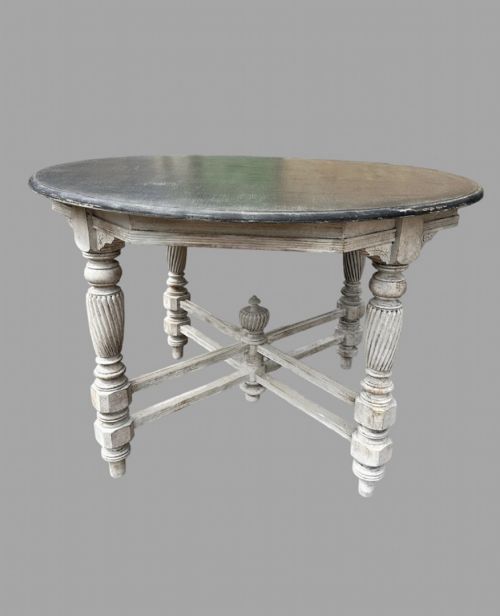
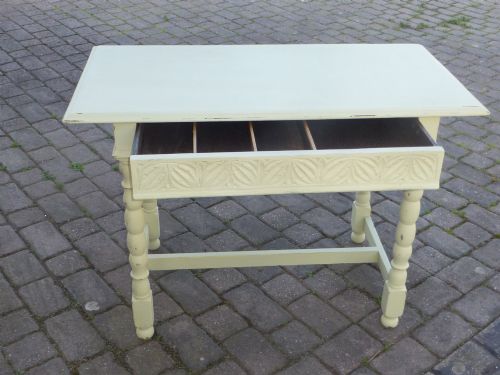
When you search for a victorian painted hall table, you encounter a variety of nineteenth-century occasional pieces including side tables, console tables, and washstands adapted for hallways.
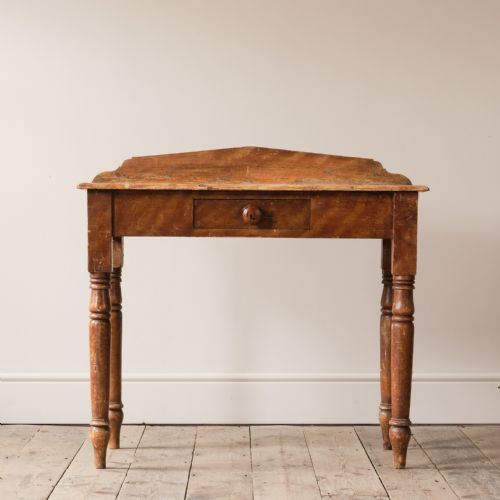
Pine and oak serve as the principal timbers found across these listings, often displaying original paint, scumble finishes, or hand decoration.
Many examples date from the mid to late nineteenth century, spanning distinct stylistic approaches from rustic country to Gothic Revival and Louis XVI Revival.
Materials and construction
Carpenters utilised solid softwoods and hardwoods like pine, oak, and mahogany, shaping them into functional furniture for nineteenth-century domestic interiors.
Surfaces received decorative treatments involving applied paint, black lacquer, grain finishes, or faux marble tops, alongside occasional brass hardware.
Joinery methods varied from straightforward pine construction to galleried edges and drop-leaf mechanisms designed for daily use.
One mahogany side table bears a later sign written inscription for the Midland Grand Hotel.
Assessing quality and finish
The distinction between standard utility items and finer pieces lies in the survival of original decorative surfaces, such as scumble finishes or hand-painted details.
Proportion and form dictate the appeal, distinguishing simpler rustic country tables from imposing consoles executed in the Gothic taste or with exceptional colour.
The Victorian Painted Hall Table Glossary
- Scumble
- A decorative painting technique involving layers of opaque or translucent colour dragged over a base coat to simulate wood grain. This finish appears frequently on nineteenth-century pine furniture.
- Console table
- A table designed to stand against a wall, frequently fixed or supported by brackets. These forms serve narrow spaces like hallways and corridors.
- Washstand
- A piece of bedroom or hallway furniture featuring a marble or timber top intended for washing equipment. Many survive adapted for general household use.
- Gothic Revival
- An architectural and decorative style drawing inspiration from medieval forms. Pieces in this taste often display pointed arches and heavy timber construction.
- Drop leaf
- A table top design with hinged flaps that fold down to save space. This mechanism allows the surface area to expand when needed.
Victorian Painted Hall Table: Frequently Asked Questions
Where should I place a hall table?
These narrow surfaces suit entranceways, corridors, and landings where floor space is limited. They provide a convenient spot for post and keys.
Console and side table variations fit flat against walls without obstructing thoroughfares in your home.
Are these tables made of solid wood?
Nineteenth-century makers primarily utilised solid timbers such as pine, oak, and mahogany for these pieces. Construction relies on traditional carpentry joints rather than modern manufactured boards.
Painted surfaces were frequently applied directly to these timbers to alter their appearance.
How do I care for original paint?
Original painted surfaces require gentle dusting with a dry cloth to preserve the finish. Avoid harsh chemical cleaners and excessive moisture.
Keeping the furniture away from direct heat sources prevents the timber from moving and the paint from flaking.
What is a scumble finish?
Scumble finishing is a decorative technique where a translucent glaze is manipulated over a pale ground to create simulated wood grain or texture. It was widely used on nineteenth-century pine.
This method added decorative richness to cheaper timbers.