

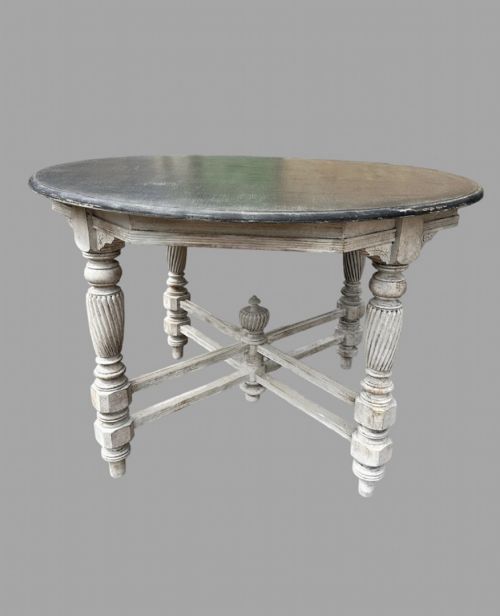
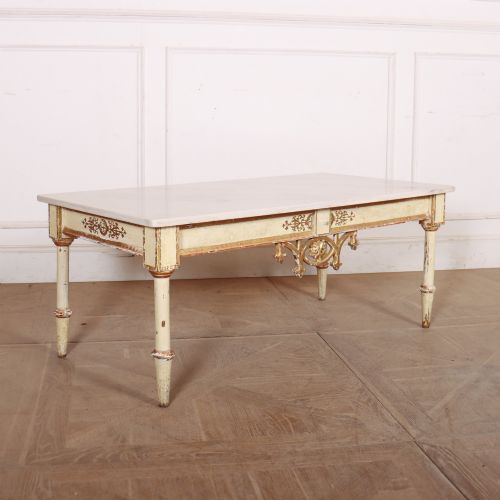


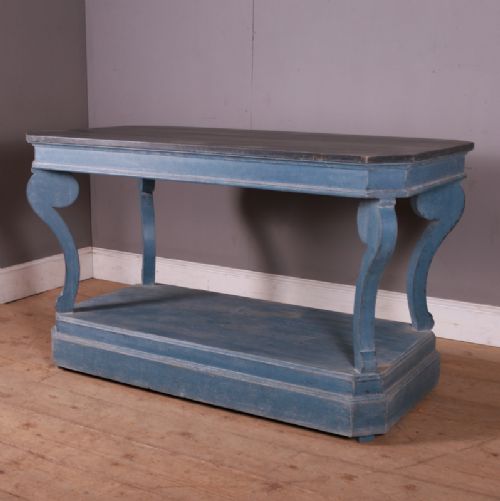


Distressed Wood Centre Table
A distressed wood centre table anchors a room with well-worn character, offering practical surface space rooted in nineteenth-century craftsmanship.
Distressed Wood Centre Table
When searching for a distressed wood centre table, a buyer seeks a functional room centrepiece defined by aged surfaces and timeworn timber. These tables encompass forms such as occasional tables, breakfast tables, and gueridons originating from periods spanning the mid nineteenth century to the early twentieth century.
The versions most commonly met on this page include painted wood pieces styled in French provincial, French chateau, and Scandinavian country aesthetics. They arrive in various shapes, including round occasional formats and pedestal designs, often featuring painted finishes that highlight their age.
Origins stretch across Europe, with German, Italian, and French examples appearing alongside Swedish pedestal tables. Each piece serves as a central platform in a room, carrying the distinct stylistic traits of its regional workshop and period.
How they were made
Construction relies upon solid timber foundations, predominantly utilising pine, oak, and general wood substrates shaped into robust centre tables and occasional furniture. Cabinetmakers joined these structural timbers using traditional joinery methods suited to heavy everyday use.
Surfaces received layers of paint, creating the characteristic distressed aesthetic seen on French provincial and Scandinavian country pieces. Certain iterations incorporated contrasting materials, pairing timber bases with marble tops for added utility and weight.
A sturdy breakfast table absorbs decades of spilled coffee, dropping crumbs, and whispered secrets without losing its dignified posture.
What varies in quality
Quality separates through the integrity of the underlying timber framework and the authenticity of the surface patina. Tables built from dense woods like oak hold structural stability more reliably than softer pine alternatives over decades of use.
The execution of the painted finish dictates visual refinement, distinguishing intentional decorative styling from wear accumulated through utility. Original painted surfaces carry distinct depth and integration with the wood beneath, setting apart finer examples from later alterations.
The Distressed Wood Centre Table Glossary
- Gueridon
- A small occasional table or stand, often featuring a central pedestal base and a round top. French makers popularized these decorative support tables during the nineteenth century.
- Pedestal Table
- A freestanding table supported by a single central column resting on a footed base. This design maximises legroom around the perimeter of the table.
- Breakfast Table
- A dining or utility table sized for morning meals or smaller gatherings, typically featuring a round or oval top. These tables appear frequently in nineteenth century domestic interiors.
- Neoclassical Revival
- A stylistic movement reviving classical Greek and Roman motifs, influencing furniture design through balanced proportions and restrained ornamentation. Pieces from this revival carry architectural details adapted for nineteenth century homes.
Distressed Wood Centre Table: Frequently Asked Questions
What is a distressed wood centre table?
A distressed wood centre table is a freestanding nineteenth or early twentieth-century table designed to occupy the middle of a room. These pieces combine practical surface area with aged wooden or painted finishes.
They appear in various formats, including occasional tables, gueridons, and breakfast tables. Each item reflects regional European styles such as French provincial or Scandinavian country.
Where should I place a centre table?
Centre tables sit naturally in the middle of principal rooms, hallways, or libraries where access from all sides is possible. Their design allows them to function as a focal point or a display surface for lamps and decorative objects.
In larger spaces, a round pedestal or breakfast table breaks up straight architectural lines. They also serve effectively as occasional surfaces in drawing rooms.
How do I care for a painted wood table?
Care for painted wood surfaces involves dusting regularly with a soft, dry cloth to prevent accumulation. Avoid placing these tables in direct sunlight or near heat sources that might cause the timber to warp.
Moisture should be wiped away immediately to protect both the paint layer and the underlying wood. Using coasters and felt pads helps preserve the aged finish against daily wear.
How can I tell the period of a table?
Dating a table relies upon observing construction methods, material choices, and stylistic markers specific to eras like the nineteenth century. Examining the underside and joints reveals how the timber was prepared and assembled by period makers.
Regional styles, such as French chateau or Italian neoclassical forms, provide further clues regarding origin and date. Comparing these details against known period examples clarifies the timeline of manufacture.