





Victorian Painted Garden Urn
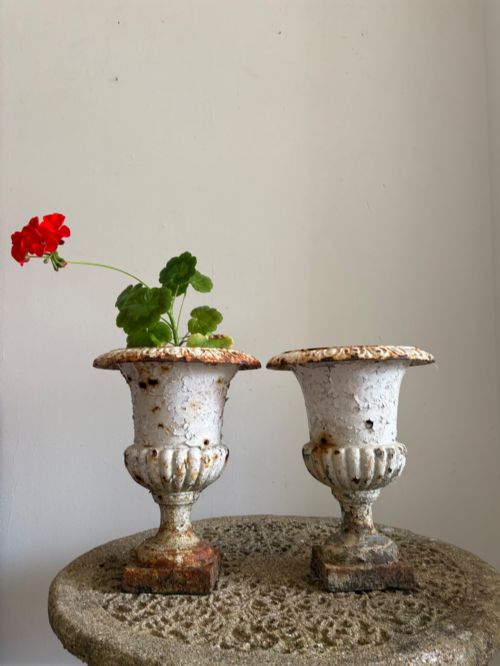
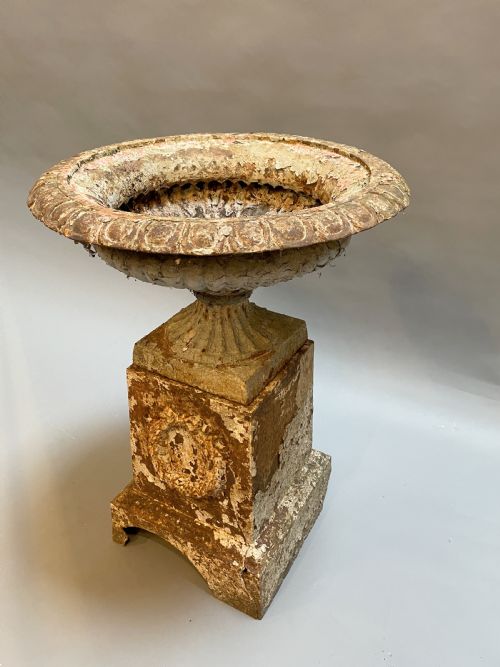
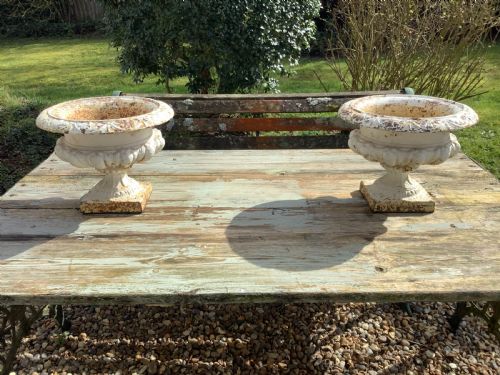
A victorian painted garden urn brings classical presence to a terrace, cast in iron and weathered with old layers of pigment.
Victorian Painted Garden Urn
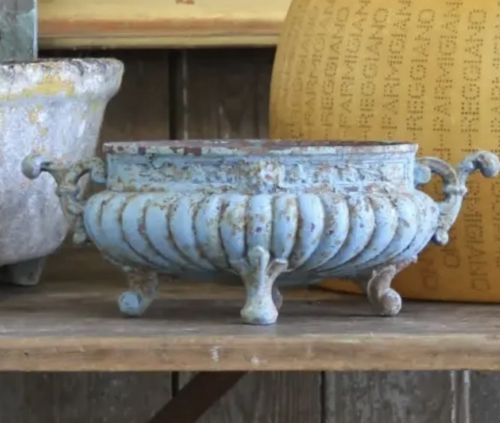
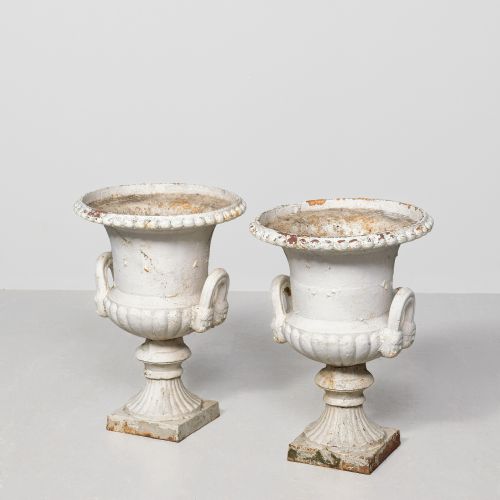
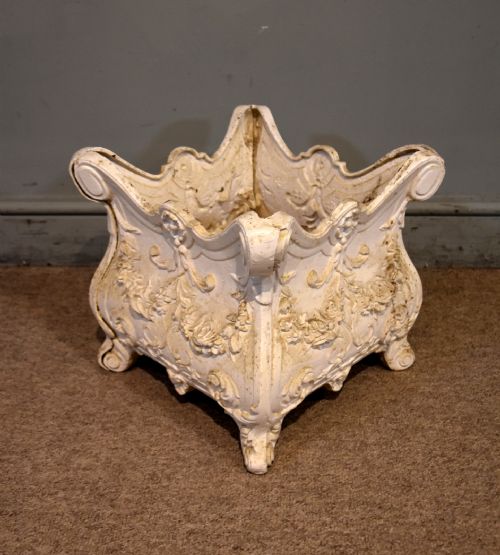
A victorian painted garden urn sits upon lawns, steps and terraces, offering a formal vessel for planting or architectural display. You encounter these pieces most frequently in cast iron, taking classic forms such as the Campagna shape or vessels adorned with acanthus leaves and gadrooning.
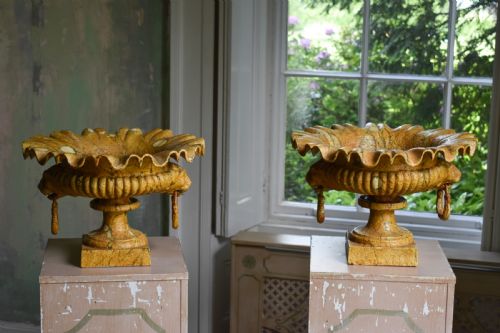
The selection ranges from small table-sized vessels to large pairs resting on matching plinths and pedestals. Certain examples bear the imprint of notable foundries, whilst others originate from French workshops of the nineteenth century.
Makers utilised durable metals to withstand the elements, often pairing the urns with dedicated stands. The forms draw directly from neoclassical and classical revival vocabularies, translated into robust garden furniture.
Materials and construction
Foundries shaped these pieces primarily through metal casting, pouring molten iron into sand moulds to achieve crisp classical details like gadrooning and acanthus foliage. Wrought iron strapwork also appears among the listings, formed by hand to create open, linear planters.
Some nineteenth-century foundry irons were heavy enough to stay put in a gale without bolting down.
Evaluating quality and character
Quality rests in the crispness of the casting and the architectural proportion of the vessel to its base. Finer pieces display sharp relief in their classical ornament, whereas simpler items rely purely on their robust silhouette.
The integrity of the original metalwork and the depth of accumulated paint layers distinguish superior examples. Matched pairs carrying foundry attributions command particular attention for their symmetry and documented origin.
Dunfermline Clay Company·Coalbrookdale
The Victorian Painted Garden Urn Glossary
- Campagna urn
- A bell-shaped garden vessel with a flaring rim, widely produced during the nineteenth century. It derives its silhouette from ancient Roman marble excavations.
- Gadrooning
- A decorative carved or cast band of convex curves or fluting running around the body of an urn. This ornamental detail adds textural rhythm to the classical form.
- Acanthus
- A classical leaf motif modelled on Mediterranean flora, frequently seen ornamenting the bowls of these urns. It forms a cornerstone of neoclassical design vocabulary.
- Jardiniere
- A large ornamental pot or stand designed specifically to hold plants or cut flowers. These vessels often sit upon dedicated pedestals or plinths in a garden setting.
Victorian Painted Garden Urn: Frequently Asked Questions
Can I leave iron urns outside?
Cast iron endures outdoor conditions well due to its heavy metal construction and protective layers of historic paint.
Winter frost requires some caution with planted earth, as trapped moisture expanding within the bowl can stress the historic material.
How do I identify a Coalbrookdale urn?
Coalbrookdale pieces typically display superior cast definition and distinct registry marks or foundry numbers on the ironwork.
Their proportions align closely with nineteenth-century catalogue designs produced by the famous Shropshire ironworks.
Are these urns supplied with bases?
Many listings include matching plinths, pedestals or stands that elevate the vessel to a commanding height for garden display.
Some smaller table urns and single planters remain designed to sit directly on stone paving or garden walls without a separate base.
What is original distressed paint?
Original distressed paint refers to the accumulated, weathered layers of historic pigment remaining on the iron surface over decades.
Collectors value this patination because it bears authentic witness to age and exposure, avoiding modern repainting.