

Victorian Padded Ottoman
These Victorian padded ottoman pieces provide sturdy comfort and seating, bringing period craft and character directly into your interior.
Victorian Padded Ottoman
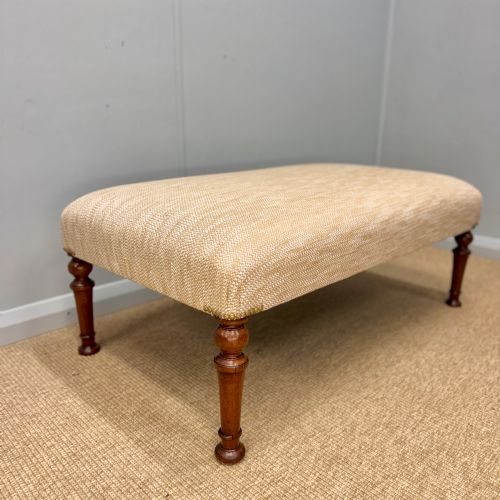
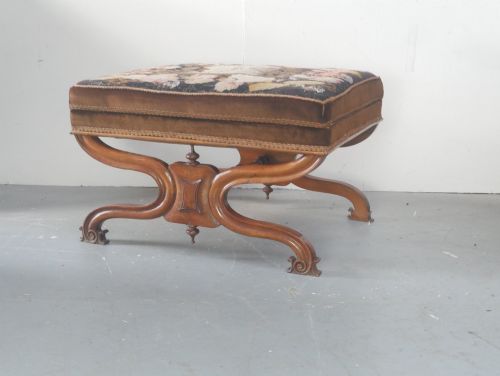
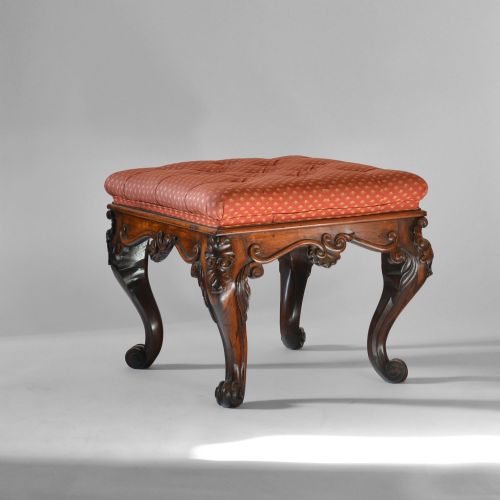
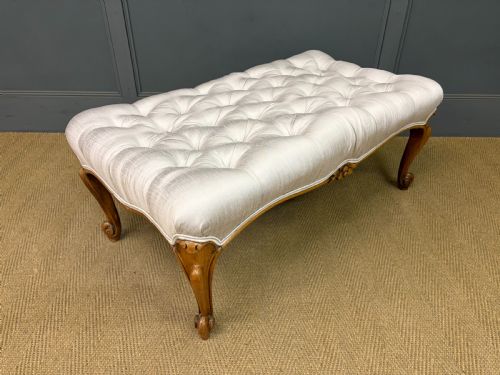
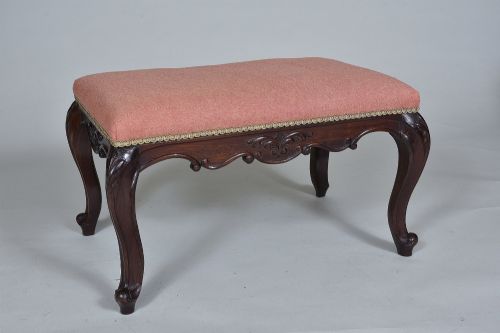
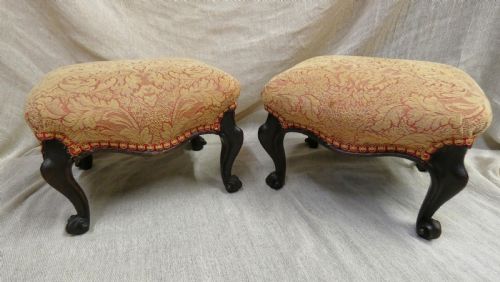
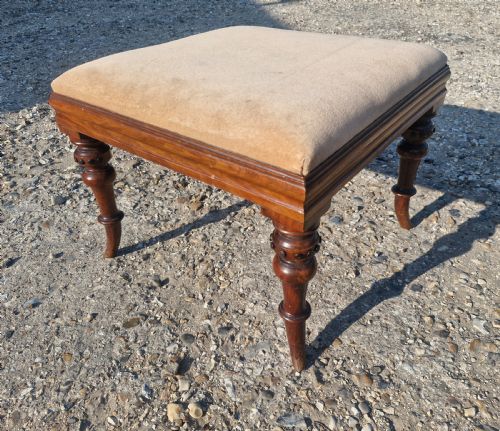
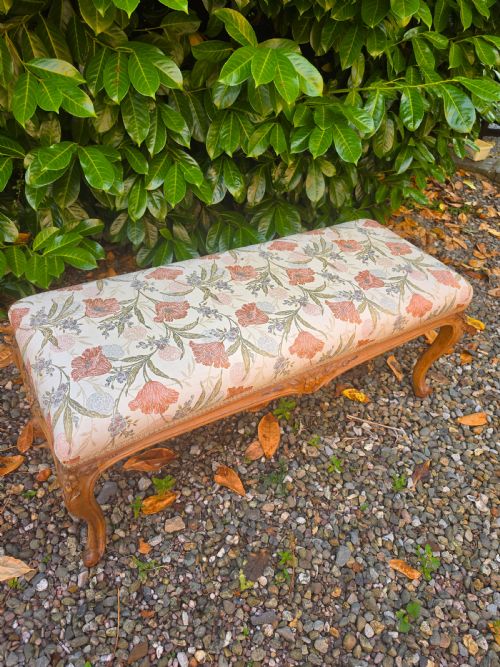
A Victorian padded ottoman is a versatile seating form designed for domestic comfort, taking shape primarily as footstools, low benches, and window seats across the nineteenth century.
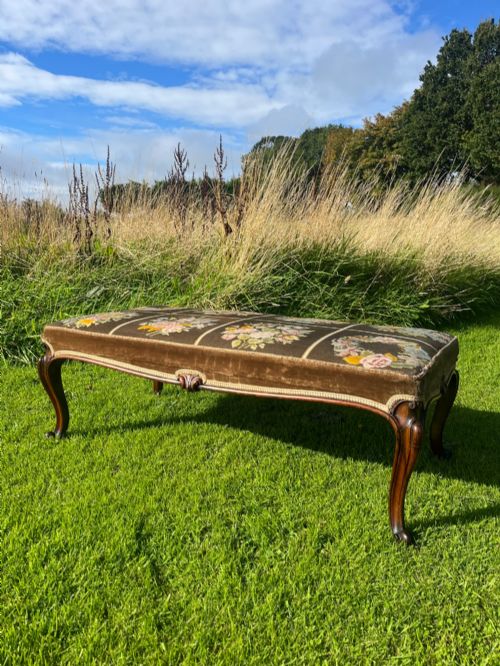
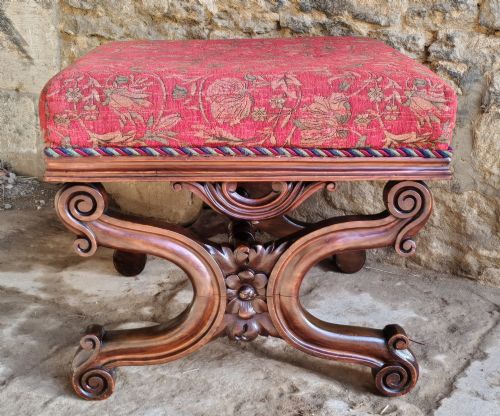
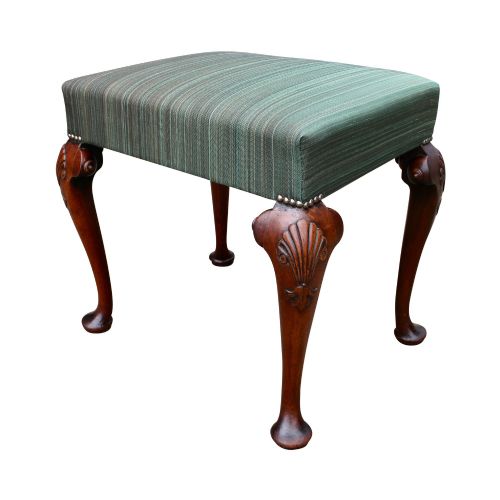
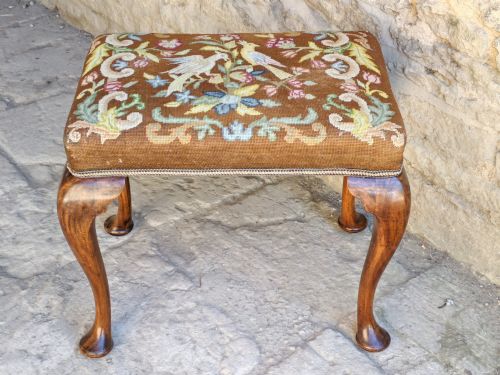
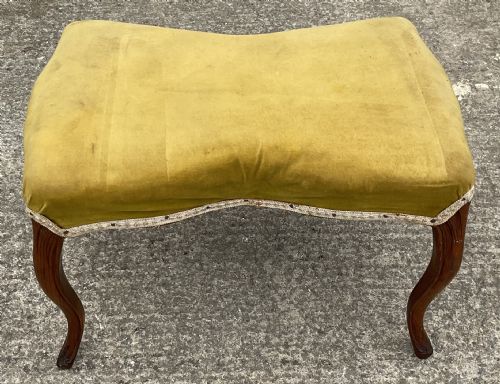
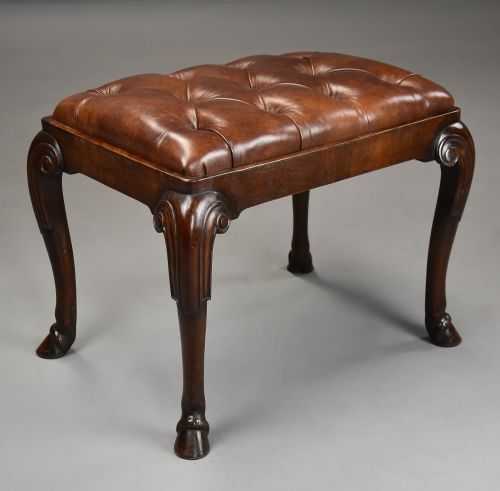
You will most frequently encounter walnut and mahogany frames on this page, often featuring cabriole legs and upholstered tops in various fabrics, needlework, or leather.
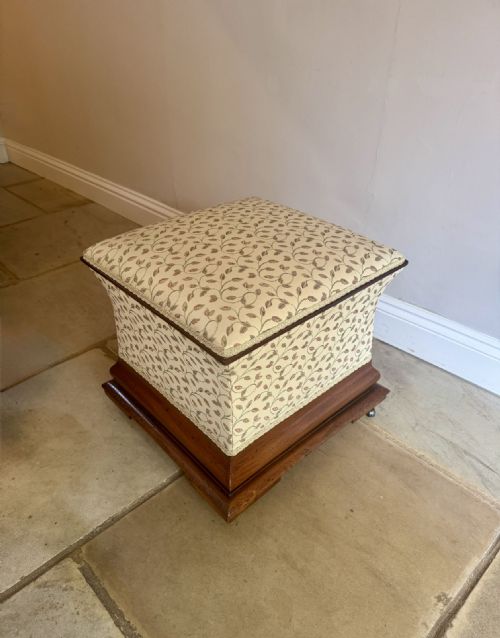
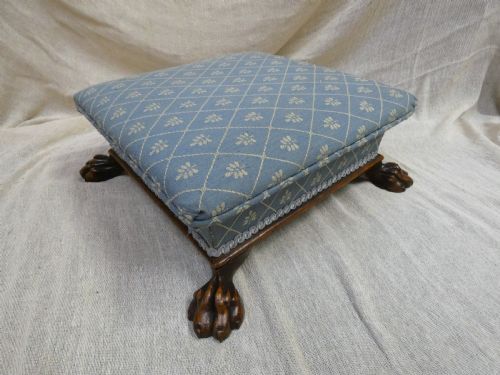
The selection ranges from compact foot stools and gout stools to large centre stools and box ottomans with storage or reversible designs.
What varies in quality
The refinement of the timber carving and the architectural proportion of the frame set superior examples apart from simpler utilitarian pieces.
The integrity of the underlying joinery and the selection of materials, from figured rosewood and burr maple to heavy cast brass fittings, determine the overall grade of the piece.
Victorian Padded Ottoman Retail Price Guide 2026
Typical asking prices for victorian padded ottoman among the pieces listed under this phrase on Sellingantiques today, from the lower quarter to the upper quarter. They describe what is for sale here now, not the wider market.
Form variations include window seats, rocking gout stools, hall benches, and box ottomans fitted with brass castors.
The Victorian Padded Ottoman Glossary
- Cabriole leg
- A furniture leg that curves outward at the knee and tapers inward to an ankle, mimicking an animal limb. This form appears frequently on nineteenth-century walnut and mahogany stools.
- Gout stool
- A specialised inclined footstool designed to support feet afflicted by gout or fatigue. Versions here include rocking and metamorphic mechanisms.
- Needlework
- Hand-stitched textile work using yarn or thread on canvas, commonly applied to the top upholstery of period footstools.
- Box ottoman
- A seated furniture piece featuring an internal compartment accessed via a hinged or reversible lid for storage.
Victorian Padded Ottoman: Frequently Asked Questions
How were these ottomans used?
These pieces served multiple domestic functions, acting as footrests before armchairs, impromptu seating near windows, or low benches in halls and dressing rooms.
Larger box variants also provided concealed storage for textiles or personal items within the Victorian household.
Are the fabrics original?
Many pieces on this page feature modern upholstery, ranging from contemporary designer textiles to traditional linen and leather. Surviving period fabric or needlework appears occasionally, but most items have been recovered to ensure usability.
When original fabric does remain, it is typically noted in the specific item description.
How do I date a piece?
Dating relies on stylistic markers such as wood selection, leg shape, and framing methods associated with the nineteenth century. Walnut and rosewood frames often align with mid-century revival styles.
Specific decades are indicated where construction details or provenance provide clear chronological evidence.
Can these fit modern interiors?
Their compact proportions and low profiles make these pieces remarkably adaptable for contemporary living spaces. They function easily as coffee table alternatives, end-of-bed benches, or occasional seats.
Neutral or brightly recovered upholstery also bridges historical frames with modern colour schemes.