


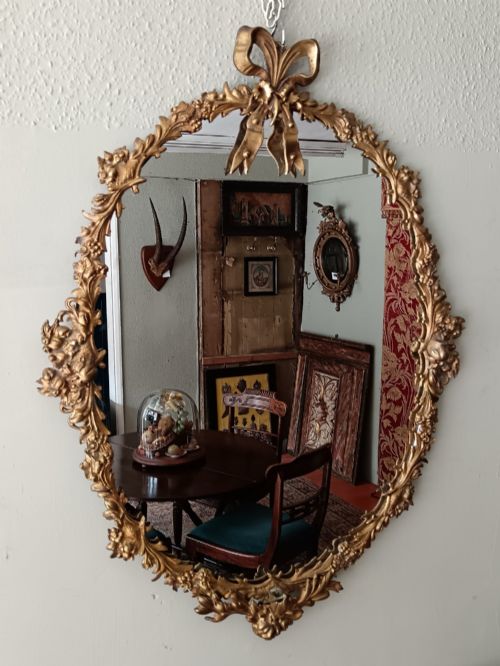
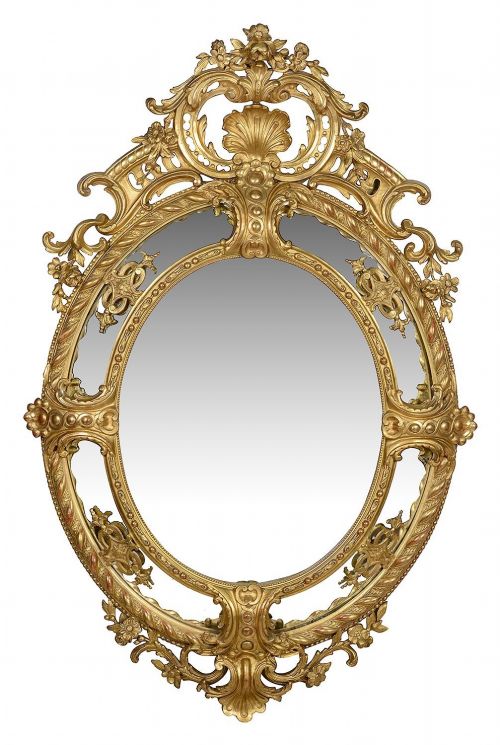

Victorian Oval Mirror Frame
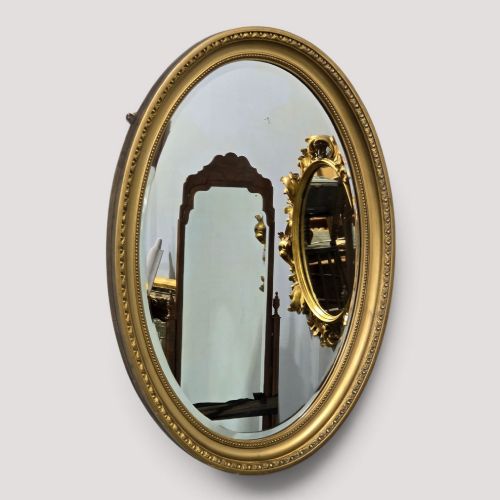
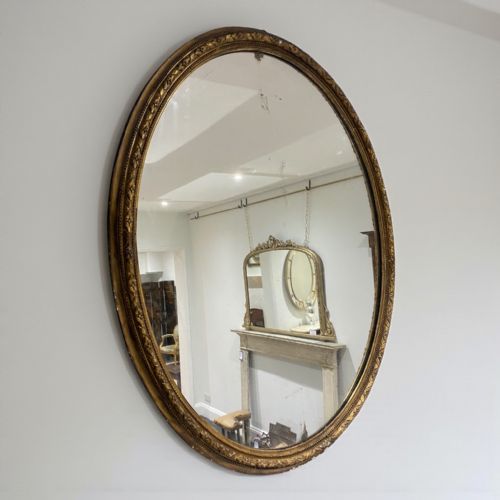
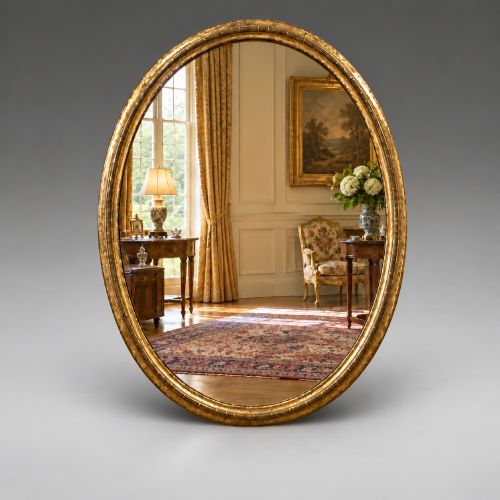
A victorian oval mirror frame brings curved lines and reflective depth to a wall, shaped by nineteenth-century joinery and decorative plasterwork.
Victorian Oval Mirror Frame
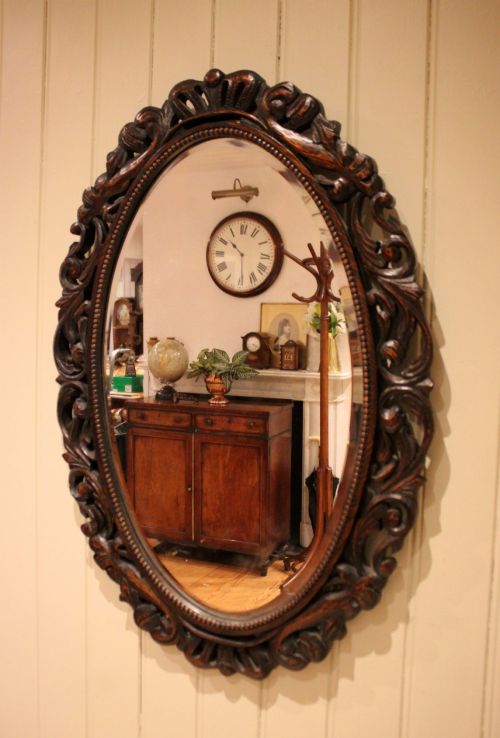
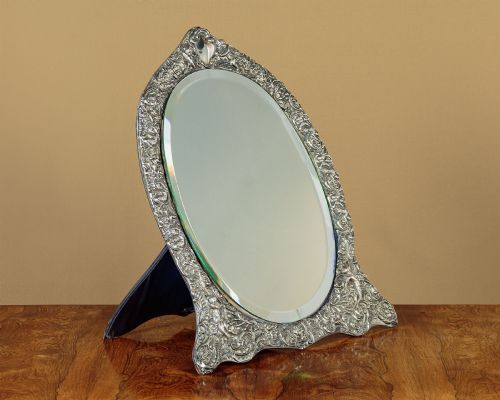
A victorian oval mirror frame sits on a wall as a vertical or horizontal hanging piece, often scaled large for an overmantel or hall space. The selection spans the nineteenth century, drawing on periods from the Georgian era through to the early twentieth century.
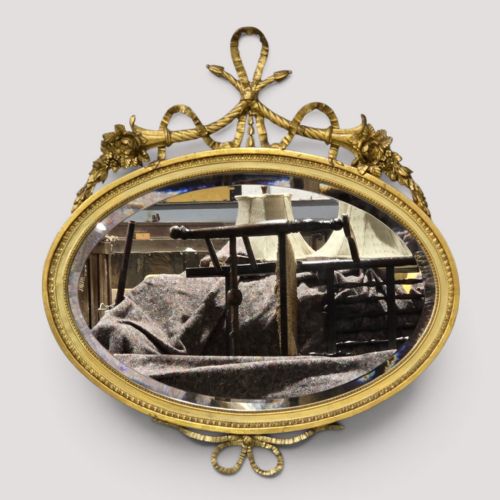
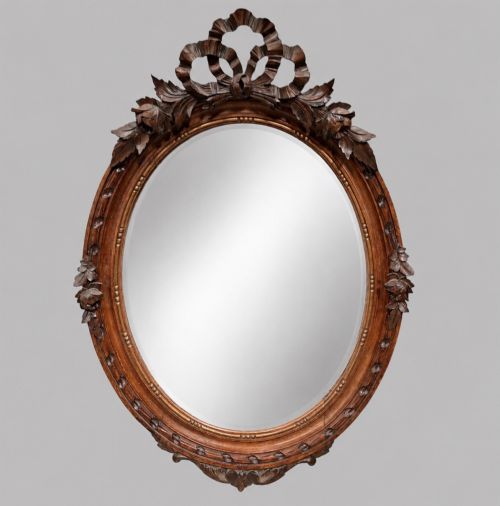
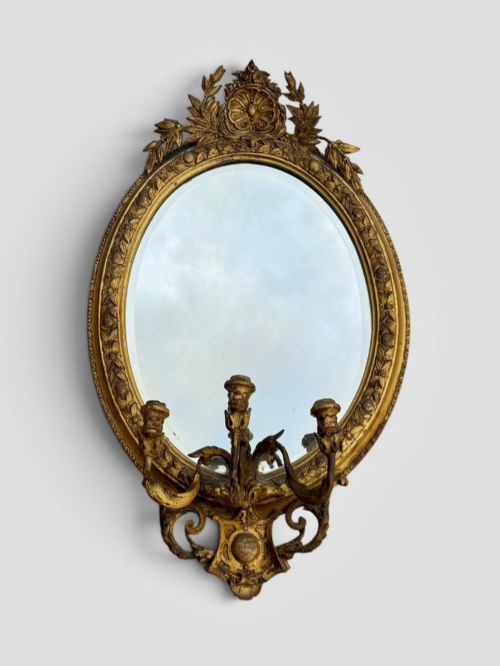
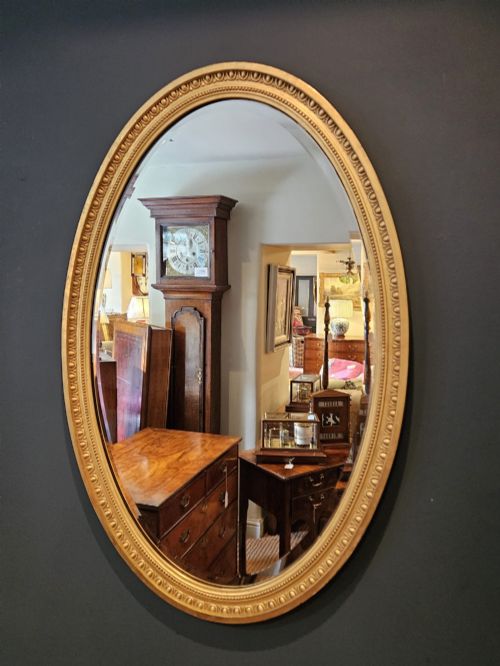
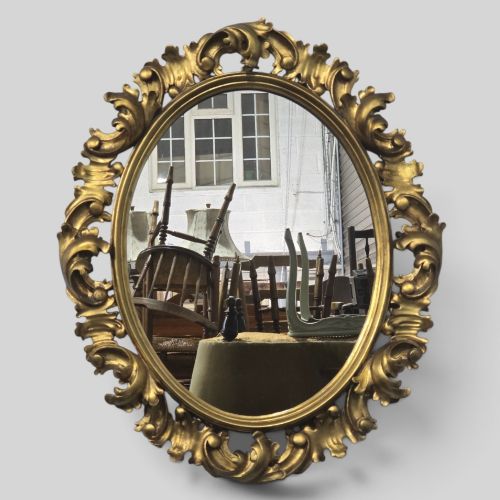
Makers shaped timber and composite materials into distinct stylistic revivals, including Louis XVI, Rococo, and Neoclassical designs. Many examples present rich gilding over carved wood or moulded plaster.
Buyers encounter variations in scale, from intimate pier mirrors to grand four-foot wall fixtures. The frames serve both functional and decorative roles within domestic interiors.
How they were made
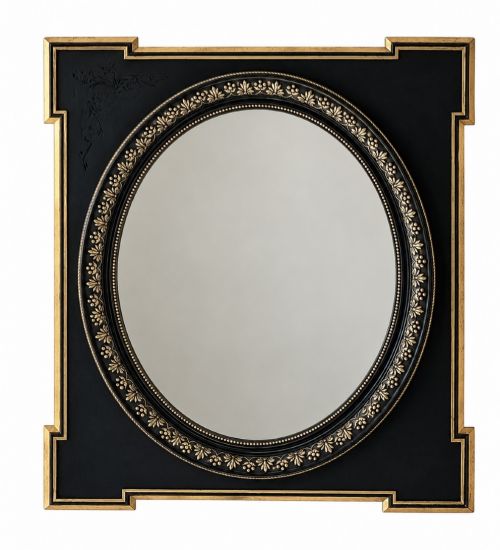
Craftsmen carved solid timber bases from mahogany and other regional woods, sometimes applying ebonised finishes or parcel-gilt details. Giltwood construction involved laying gold leaf over a prepared surface.
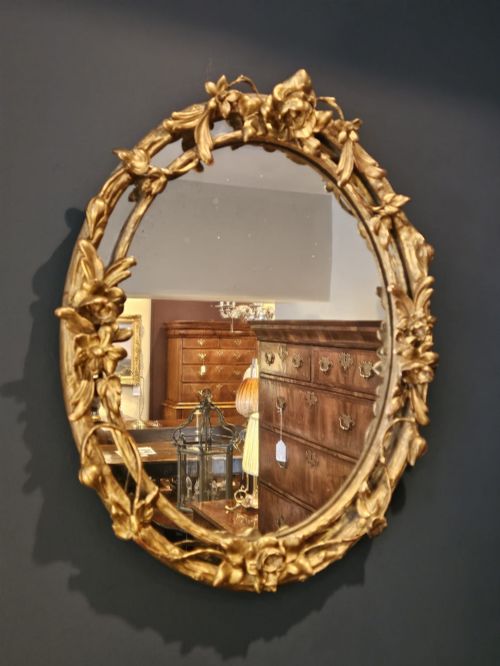
Gesso and composition moulding allowed workshops to build up intricate relief ornament, such as rose vines and leaf motifs, around the central glass plate. Plaster and brass elements also appear in structural and decorative capacities.
Victorian Oval Mirror Frame Retail Price Guide 2026
Typical asking prices for victorian oval mirror frame among the pieces listed under this phrase on Sellingantiques today, from the lower quarter to the upper quarter. They describe what is for sale here now, not the wider market.
A few frames feature creeping rose vines frozen in gesso, allowing indoor gardens to climb the parlour walls.
What varies in quality
The depth of carving and crispness of the gesso moulding separate standard production from master craftsmanship. Hand-carved giltwood exhibits sharper definition in leaf scrolls and vine details than moulded composition alone.
The integrity of the original gilding and the preservation of the timber substrate determine the visual strength of the piece. Subtle details like parcel-gilt contrast against ebonised timber show deliberate artistic choices.
The Victorian Oval Mirror Frame Glossary
- Giltwood
- Wood carved and coated with gold leaf. This finish provides a bright reflective surface that catches natural room light.
- Gesso
- A plaster-like mixture applied to wood frames and carved. It creates a smooth base for subsequent gilding and fine relief work.
- Girandole
- A decorative wall mirror featuring attached candle sconces. These fixtures reflect candlelight across the interior space.
- Overmantel
- A large mirror designed to hang above a fireplace mantel. Such pieces expand the visual volume of a reception room.
- Parcel-gilt
- Partially gilded woodwork where specific decorative elements shine in gold against a dark painted or polished ground.
Victorian Oval Mirror Frame: Frequently Asked Questions
Where should a wall mirror hang?
These frames suit principal reception rooms, hallways, and above mantelpieces where their scale anchors the surrounding furniture.
Positioning them opposite a window maximises natural light distribution across the room.
How do I identify the period?
Look to the combination of timber types, moulding materials, and stylistic revival cues such as Adam or Louis XVI motifs.
Nineteenth-century pieces often integrate hand-carved elements alongside gesso ornamentation characteristic of the Victorian era.
Are these frames heavy?
Solid timber cores combined with dense gesso and glass create substantial weight requiring secure wall fixings.
Large overmantel and four-foot formats demand professional installation into solid masonry or studwork.
How do I care for gilt surfaces?
Dust gently with a dry, soft brush to protect delicate gold leaf and composition relief mouldings.
Avoid liquid cleaners or abrasive cloths that can strip the historic gilt surface layers.