


Victorian Oval Dressing Mirror
A victorian oval dressing mirror brings warmth and functional elegance to a room, pivoting gracefully on upright supports to catch the light.
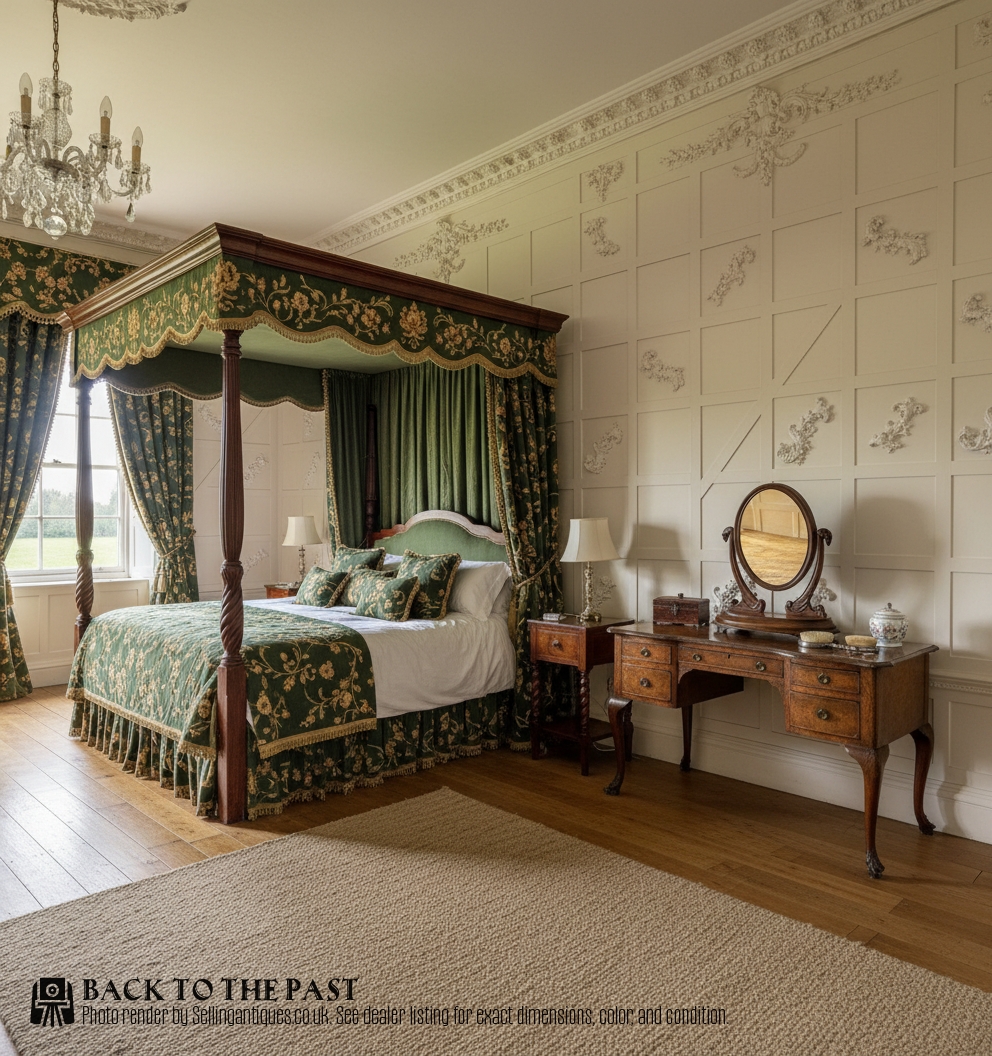
Victorian Oval Dressing Mirror
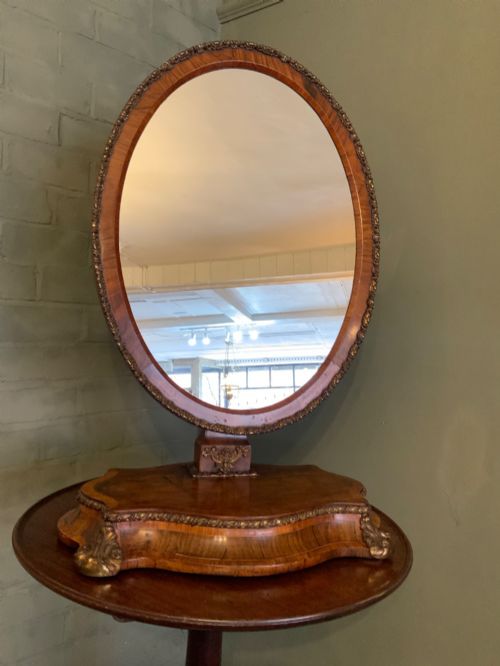
A victorian oval dressing mirror is primarily encountered as a tabletop toilet glass or a larger pedestal swing mirror resting upon a dedicated base. These pieces span the nineteenth century and into the early twentieth century, reflecting the domestic habits of earlier generations.
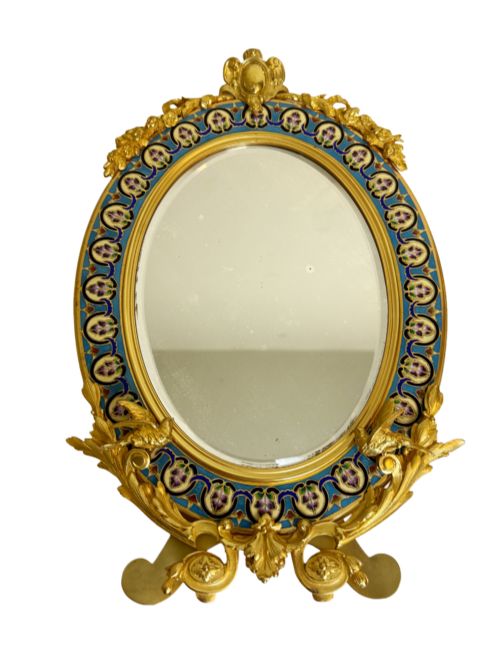
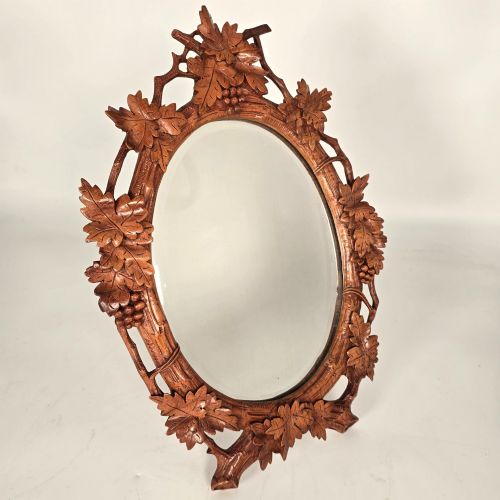
Most examples found here present the classic oval glass framed in timber, supported by turned or carved upright arms. They range from simple mahogany toilet mirrors to more elaborate French Napoleon III and Black Forest creations.
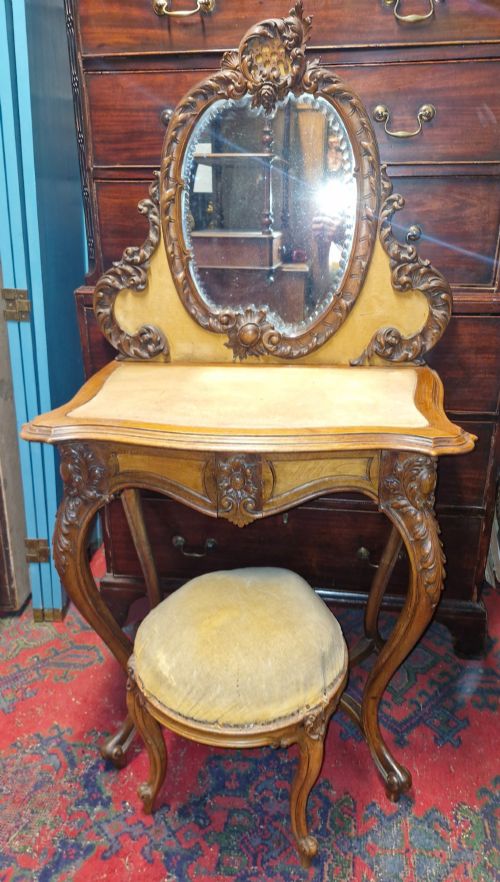
Beyond the standard dressing table accessories, the selection encompasses wall-mounted variants and items integrated into larger furniture forms such as duchess dressing tables and credenzas. Each variation serves the fundamental purpose of personal grooming while anchoring a room's decorative scheme.
Materials and Construction
Makers relied heavily on dense timbers like mahogany and walnut for the frames and supporting structures, frequently employing flame veneers to create striking visual patterns. Brass, gilt bronze, and ormolu hardware provide functional pivots and decorative accents.
Carving techniques varied from simple turned columns to intricate figural work in lime wood and elaborate gesso mouldings. Mirror glass was securely fitted into shaped wooden frames, often supported by scroll-cut arms set upon compartmented drawer bases.
Some Victorian mirrors feature hidden miniature drawers within the base, perfect for stashing secrets from the household staff.
Distinctions in Quality
The sophistication of the timber selection and the depth of the carving dictate the standing of a piece within its period. Figured veneers and finely detailed cast bronze or champleve mounts elevate the work beyond standard utility.
Structural integrity rests on the engineering of the swing mechanism and the stability of the upright supports. Superior examples balance the weight of the glass precisely against the base, ensuring the mirror holds its angle without slipping.
The Victorian Oval Dressing Mirror Glossary
- Swing mirror
- A glass mounted on pivoting side pins that allows the user to tilt the reflective surface at various angles.
- Toilet mirror
- A smaller tabletop glass traditionally designed to sit upon a dressing chest or table for personal grooming.
- Flame mahogany
- A timber cut that produces a distinctive, fiery pattern across the grain, highly prized by nineteenth-century cabinet makers.
- Ormolu
- Gilded bronze applied as an ornamental mount, frequently seen on French-influenced Victorian frames.
- Bun feet
- Rounded, flattened wooden supports that lift the base of the mirror assembly off the surface.
Victorian Oval Dressing Mirror: Frequently Asked Questions
How do I date a dressing mirror?
Dating relies on examining the timber species, the method of glass bevelling, and the construction of the base joints. Earlier nineteenth-century examples often feature hand-turned columns and flame mahogany veneers.
Later Victorian and Edwardian pieces incorporate cast bronze mounts, bolder machine-carved details, or different wood tones such as walnut and lime wood.
Where should I place a swing mirror?
These mirrors sit comfortably on top of chests of drawers, sideboards, or dedicated dressing tables where the height allows for easy use. Placing them near a natural light source helps illuminate the reflective surface effectively.
They also function well on console tables in hallways or reception rooms, adding depth and a traditional focal point to the space.
Are these mirrors easy to maintain?
Routine care involves dusting the timber frame with a soft, dry cloth and cleaning the glass with a gentle, non-ammonia solution applied to a cloth rather than the mirror itself. Avoiding direct sunlight and extreme humidity protects the polish and the wooden joints.
The brass or bronze pivots benefit from occasional checks to ensure the screws remain properly adjusted for smooth tilting.
What is the difference between a wall and table mirror?
Table mirrors incorporate a base or support feet designed to rest independently on a flat surface, often featuring drawers or a pivoting frame. Wall mirrors lack these structural bases and include integrated hanging loops for mounting directly onto a wall.
Both types share similar oval glass shapes and Victorian aesthetic influences but serve distinct placement needs within a room.