
Victorian Outdoor Bench
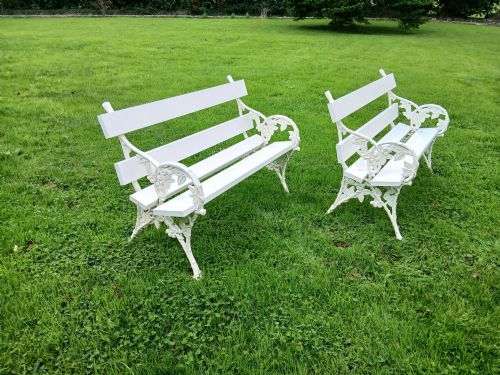
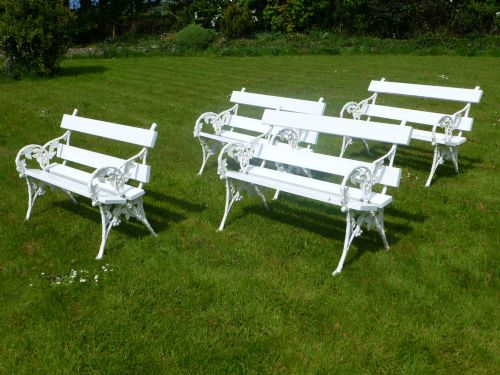
A victorian outdoor bench brings weight and structure to a lawn, formed from cast iron and timber to endure the weather.
Victorian Outdoor Bench
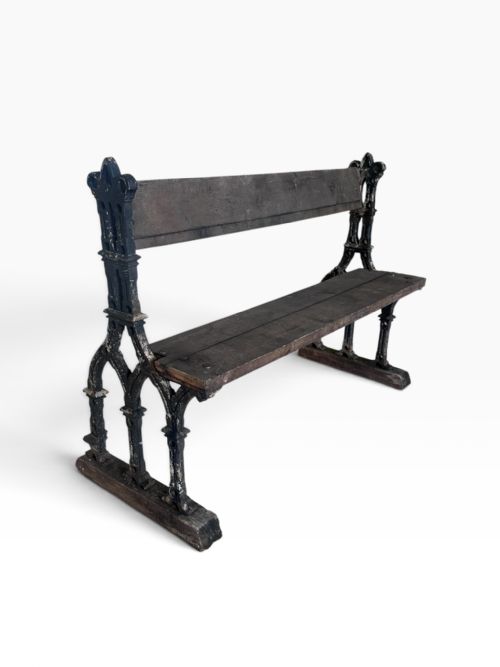
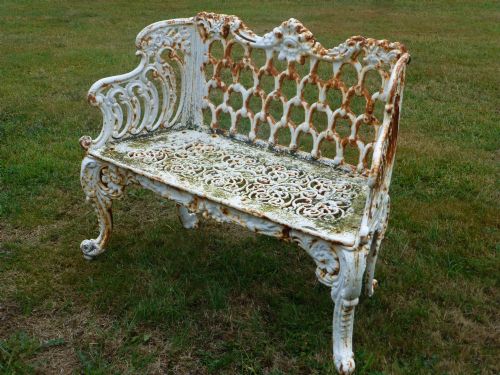
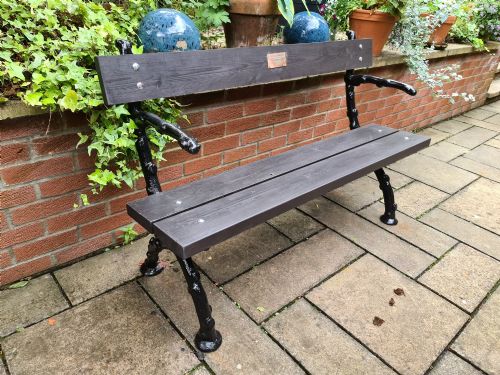
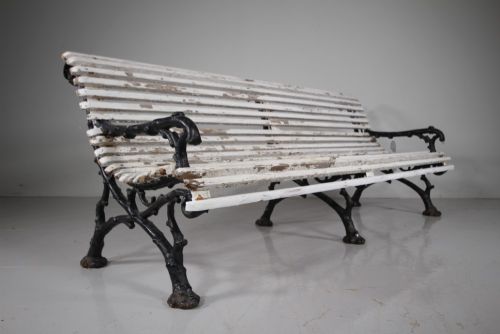
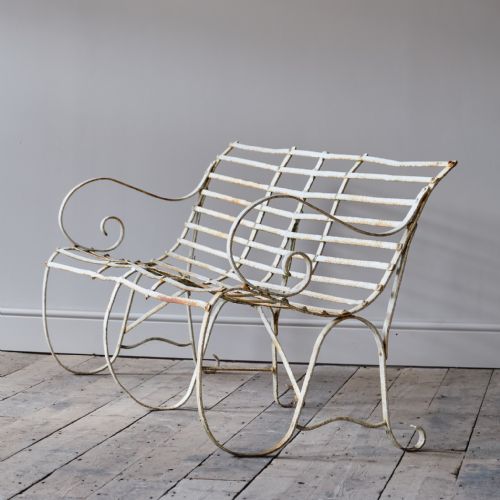
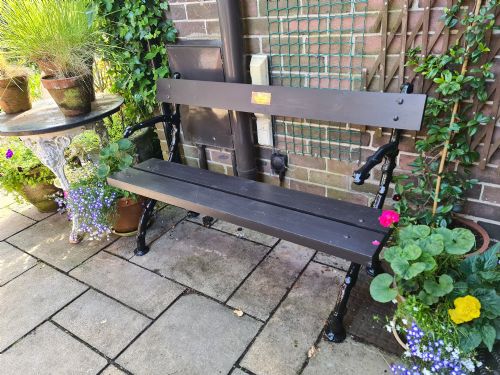
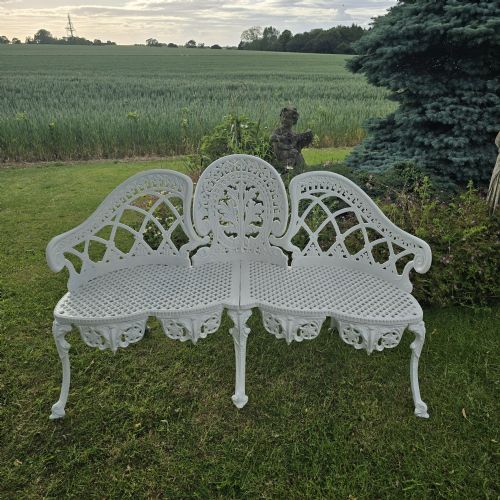
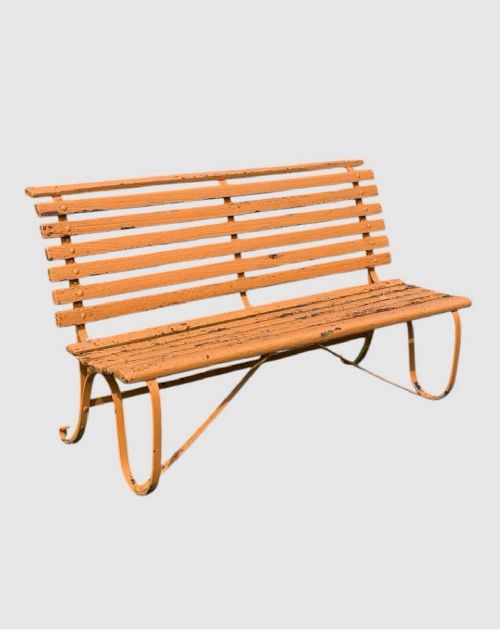
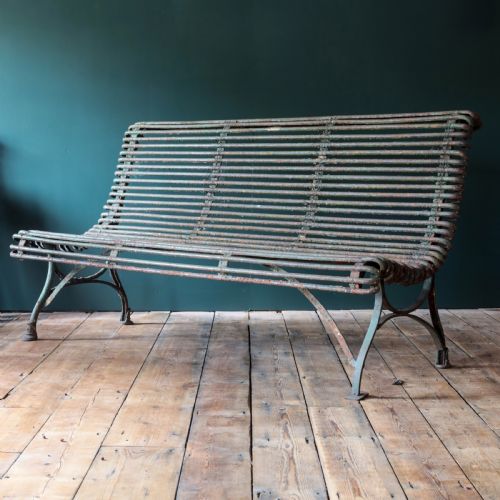
A victorian outdoor bench is a heavy garden seat designed for endurance in parks and private grounds, combining metal framing with wooden slats. You will frequently encounter examples featuring cast iron ends paired with timber seats, alongside fully iron structures rendered in botanical or gothic patterns.
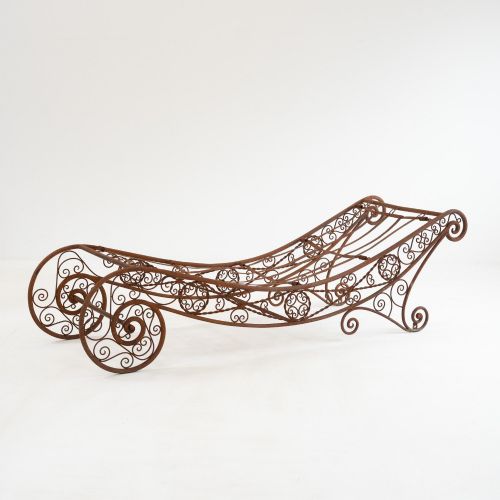
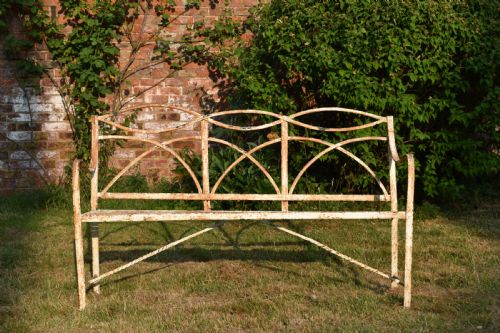
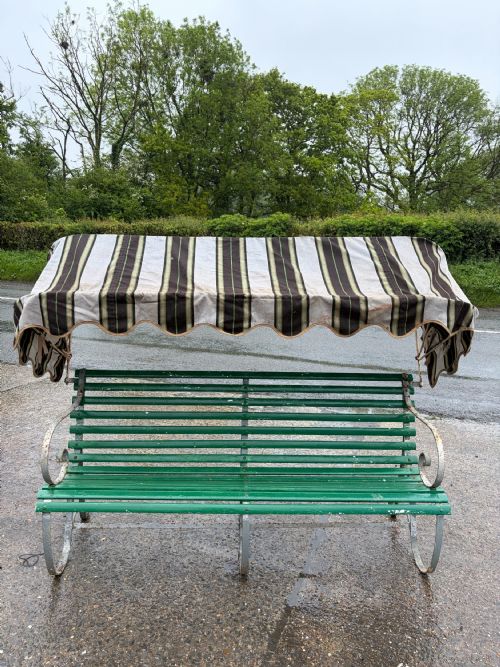
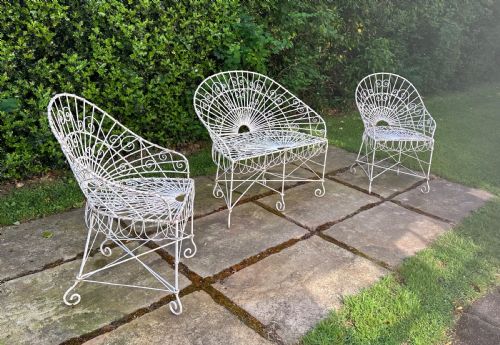
The selections span standard garden seating to elaborate daybeds, arbours, and sets incorporating matching chairs. Forms range from rustic faux bois designs mimicking natural branches to precise strapwork and foundry-marked patterns originating from the nineteenth century.
How they were made
Foundries utilised cast iron and wrought iron for structural ends and backs, pouring molten metal into sand moulds to create crisp foliate and gothic motifs. These metal components were frequently paired with timber slats in pine or oak, secured with bolts to form a stable seating platform.
Surfaces received protective layers of paint to guard against moisture, with many surviving examples retaining multiple historic coats or showing weathered traces of early colour. Wrought iron elements relied on hand-forged scrollwork and strapwork, bent and joined to form rigid openwork frames.
The selection includes cast iron, wrought iron, timber, and painted wood across nineteenth-century and early twentieth-century periods.
What varies in quality
The distinction rests in the crispness of the foundry casting and the depth of the pattern relief, where sharper botanical details indicate superior production. Heavier metal gauges and complete, matching sets elevate an example above standard utility pieces.
The integrity of the original joints and the survival of early or layered paint surfaces distinguish unaltered survivals from heavily restored garden furniture. Structural completeness, particularly in ornate bench ends and canopy frames, determines the standing of an item.
Falkirk Carron Foundry·Val D Osne
The Victorian Outdoor Bench Glossary
- Faux bois
- Imitation wood. This technique renders concrete, iron, or composition materials to resemble gnarled branches and rustic timber work.
- Strapwork
- Flat metal bands. This decorative technique employs interlaced iron strips to form geometric patterns across the backrest.
- Cast iron
- Molten metal poured into moulds. This heavy material allows for intricate relief decoration on bench ends and structural supports.
- Arbour
- A shaded garden seat. This structure provides an arched enclosure often entwined with climbing plants and wirework framing.
- Gothic Revival
- An architectural style. This aesthetic applies medieval pointed arches and tracery patterns to iron bench castings.
Victorian Outdoor Bench: Frequently Asked Questions
Can I leave a cast iron bench outside all year?
Cast iron withstands outdoor conditions reliably, though prolonged exposure to winter moisture can encourage surface oxidation on unprotected metal.
Positioning the bench on paved ground rather than directly on damp soil helps preserve the timber slats and lower iron feet through changing seasons.
How do I identify a true nineteenth century bench?
Authentic period pieces typically feature heavier cast iron components with hand-finished details and substantial wooden or slatted seats fixed with traditional fasteners. Foundry marks and registration numbers cast directly into the iron framework provide definitive clues to origin and date.
Looking closely at the weight of the metal and the construction methods used on the underside reveals the manufacturing standards of the era.
How should I clean original paint on garden metalwork?
Preserving historic paint layers requires gentle brushing with a soft bristle tool and mild soapy water to remove accumulated dirt without disturbing the surface. Avoid harsh chemical strippers or abrasive pads that might strip away the weathered patination built up over decades outdoors.
Allowing the surface to dry completely helps maintain the stable patination valued by collectors.
Are wooden slats usually original on antique garden seats?
Timber components frequently required replacement over generations of outdoor exposure, meaning surviving slats are often later renewals fitted to original iron ends. Finding intact timber with appropriate weathering is uncommon, so well-executed replacements in matching wood species are standard.
The structural integrity of the iron frame remains the primary consideration for historical authenticity.