




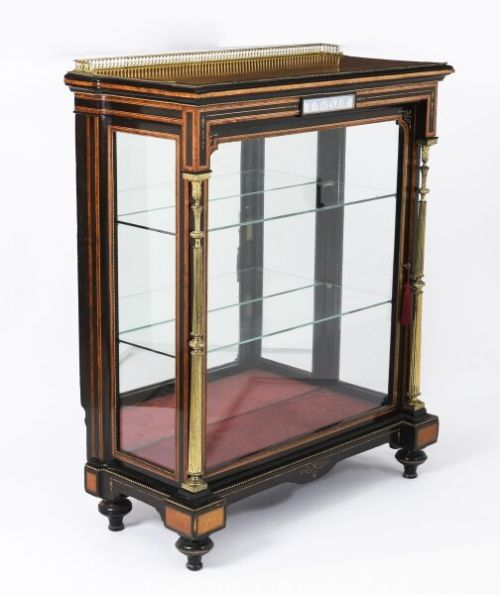


Victorian Ormolu Vitrine
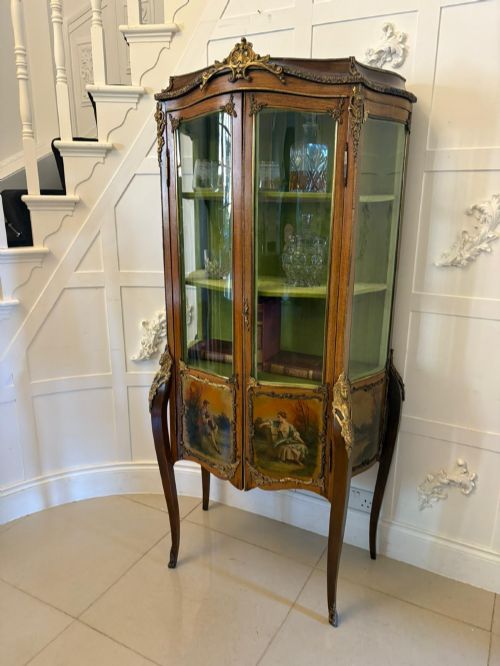
A victorian ormolu vitrine brings the French revival grandeur of the nineteenth century into a room through curved glass and gilded mounts.
Victorian Ormolu Vitrine
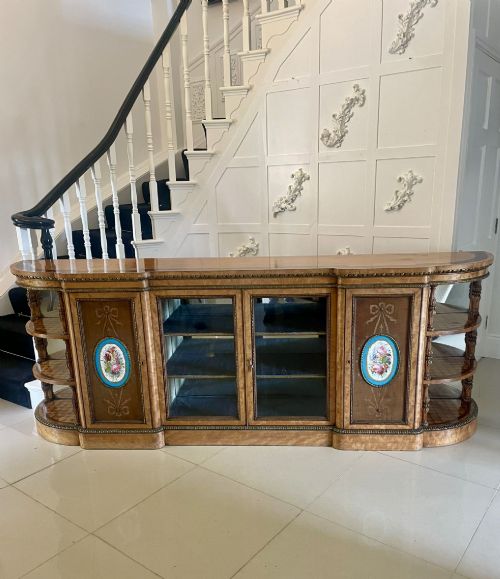
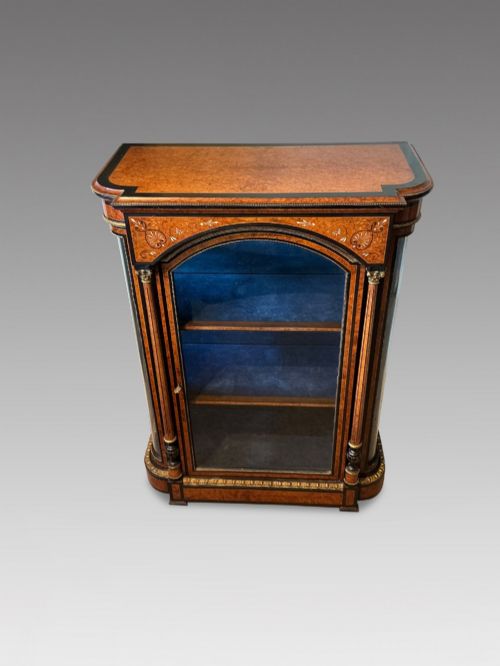
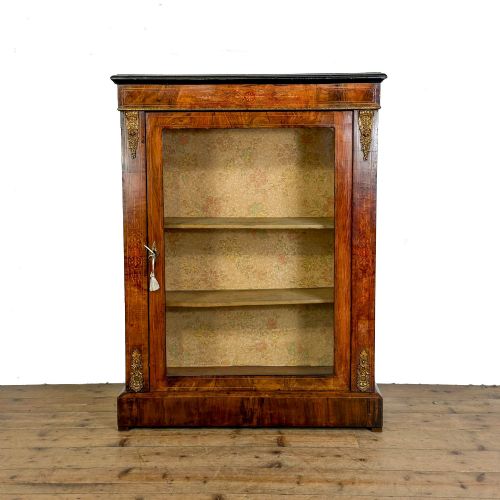
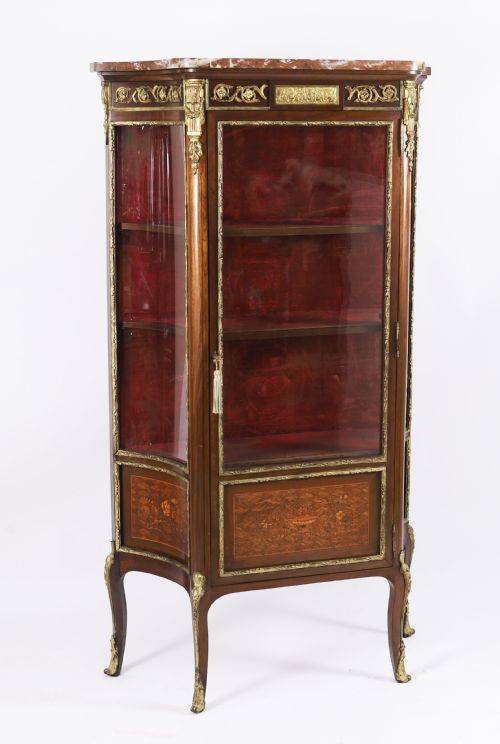
When searching for a victorian ormolu vitrine, a buyer encounters glazed display furniture designed to showcase ceramics, books and small treasures behind glass panels. The selection spans freestanding cabinets, tall pier cabinets, and low corner or credenza styles.
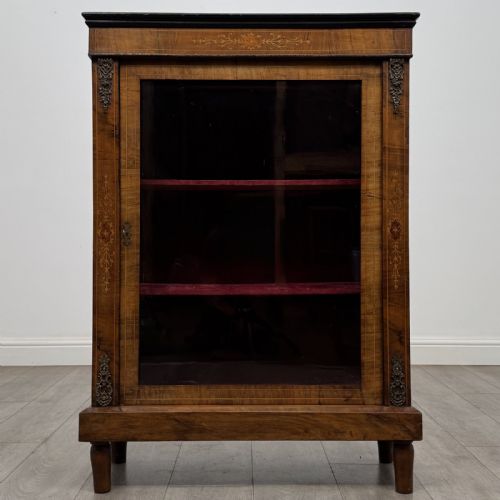
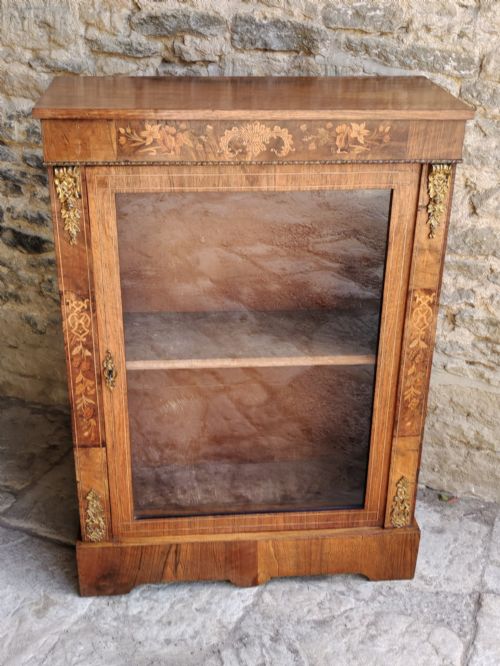
The version most likely to meet a buyer on this page is the walnut pier cabinet or French revival display cabinet mounted with gilt bronze ormolu and lined with velvet. These pieces originate across the Victorian period, with notable examples stretching from eighteen-fifty through to the end of the nineteenth century.
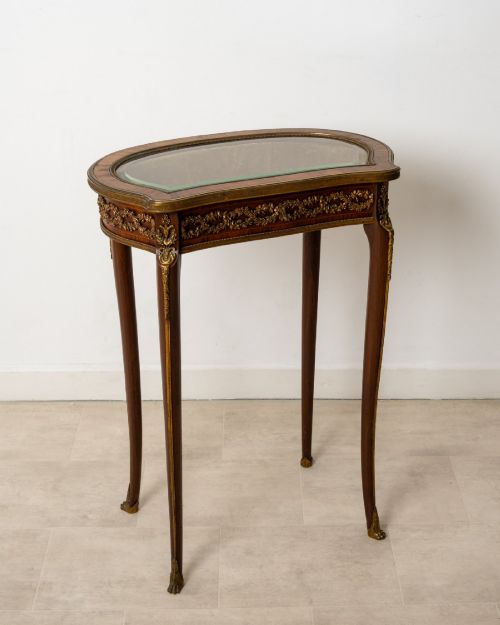
Other variations appearing alongside standard cabinets include bijouterie tables with glazed tops and satinwood or kingwood marquetry. Each form serves to reflect light in a drawing room while protecting delicate objects from dust.
Materials and construction
Cabinet makers built the carcase of a victorian ormolu vitrine using timbers such as walnut, rosewood, mahogany, kingwood, and satinwood, frequently applying intricate marquetry and parquetry veneers. Ebonised finishes and amboyna also appear across the nineteenth century evidence.
Mounts of cast ormolu, or gilded bronze, embellish the corners, friezes, and feet to accentuate the French revival style. Glass panels are set into glazed doors, while internal shelves rest behind velvet linings.
Victorian Ormolu Vitrine Retail Price Guide 2026
Typical asking prices for victorian ormolu vitrine among the pieces listed under this phrase on Sellingantiques today, from the lower quarter to the upper quarter. They describe what is for sale here now, not the wider market.
Listings feature walnut, kingwood, mahogany, and satinwood paired with glass, ormolu, and velvet across the Victorian era.
Judging quality in a vitrine
Quality rests in the crispness of the cast ormolu mounts and the precision of the timber marquetry inlay. Cabinets displaying well-figured walnut veneers or fine kingwood show superior workshop origins compared to plain timber carcases.
The elegance of the curved glass, the integration of porcelain plaques, and the overall balance of the French revival proportions divide standard production from exceptional pieces.
Maple Co
The Victorian Ormolu Vitrine Glossary
- Ormolu
- Gilded bronze mounts applied to furniture to provide decorative highlights. This technique defines the French revival aesthetic seen on nineteenth century cabinets.
- Vitrine
- A glass-fronted display cabinet intended for the exhibition of small collectibles and porcelain. It protects items while allowing all-round visibility.
- Pier cabinet
- A narrow cabinet designed to stand against the wall space between windows. These pieces are frequently glazed and mounted with ormolu.
- Marquetry
- Decorative veneer work arranged in pictorial or geometric patterns using various coloured woods. It decorates the door panels and tops of finer cabinets.
- Bijouterie table
- A glass-topped display table designed for holding jewellery and small ornaments. They often share the ormolu mounts and timber framing of larger vitrines.
Victorian Ormolu Vitrine: Frequently Asked Questions
What is a victorian ormolu vitrine used for?
These cabinets were originally placed in drawing rooms to display fine porcelain, glass, and small collectibles behind protective glass doors. The glazed panels kept dust away while allowing guests to admire the contents.
Today, they serve the same purpose in a home, offering an elegant way to exhibit prized possessions while adding nineteenth-century character to a room.
How do I identify the period of a vitrine?
Dating relies on timber choices such as figured walnut, kingwood, and satinwood, alongside construction methods typical of the nineteenth century. The presence of French revival ormolu mounts often points to the Victorian era.
Archival listings show these pieces circulating from eighteen-fifty through the late nineteenth century, reflecting stylistic shifts toward Louis XV and Louis XVI revivals.
Where should I place a pier cabinet?
A pier cabinet fits neatly into narrow wall spaces, particularly the solid wall section situated between two tall windows. Their shallow depth ensures they do not obstruct room traffic.
Placing them in rooms with good natural light helps illuminate the marquetry details and the ormolu mounts against the wood.
What is the difference between a vitrine and a pier cabinet?
A vitrine is primarily built for glass-fronted display from top to bottom, often standing freestanding or taking a corner shape. A pier cabinet is a specific narrow form traditionally made to fit wall spaces.
Many pier cabinets also feature glass doors and shelves, blurring the distinction when ormolu mounts and marquetry are applied to both.