





Victorian Orientalist Statues
Victorian orientalist statues capture nineteenth-century European fascination with North African, Middle Eastern, and Asian subjects through detailed figurative bronze, porcelain, and terracotta work.
Victorian Orientalist Statues
Victorian orientalist statues represent figures such as water carriers, musicians, and rulers originating from Middle Eastern and North African cultural settings, produced during the nineteenth century. These works embody nineteenth-century European interpretations of Eastern subjects through dramatic figurative portrayals.
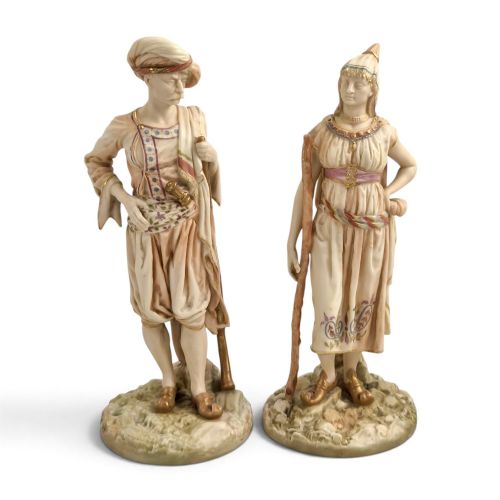
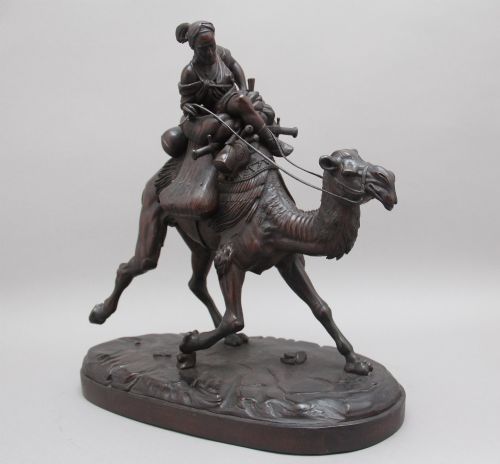
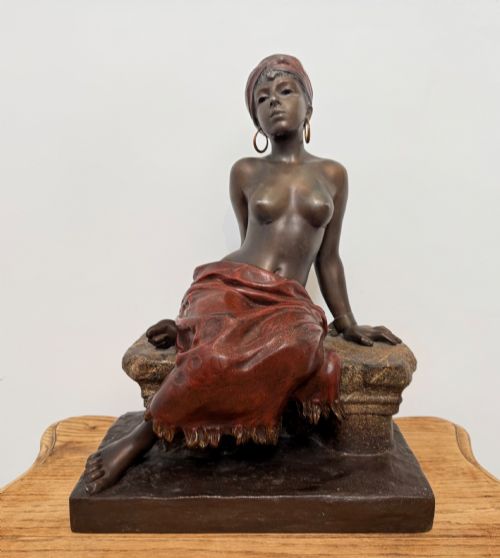
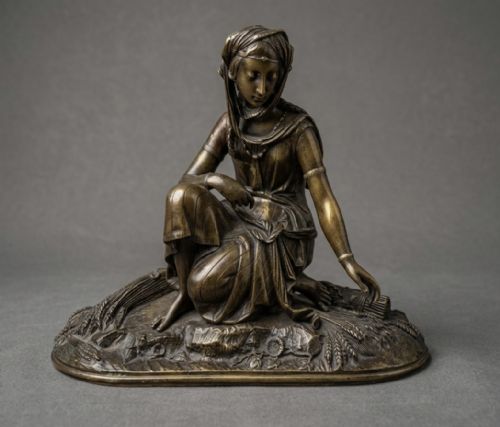
The objects appearing on this page span several mediums, predominantly taking the form of bronze sculptures, porcelain figurines, marble busts, and polychromed plaster figures. Makers from this era adopted these diverse forms to depict subjects ranging from Arab falconers to Egyptian musicians.
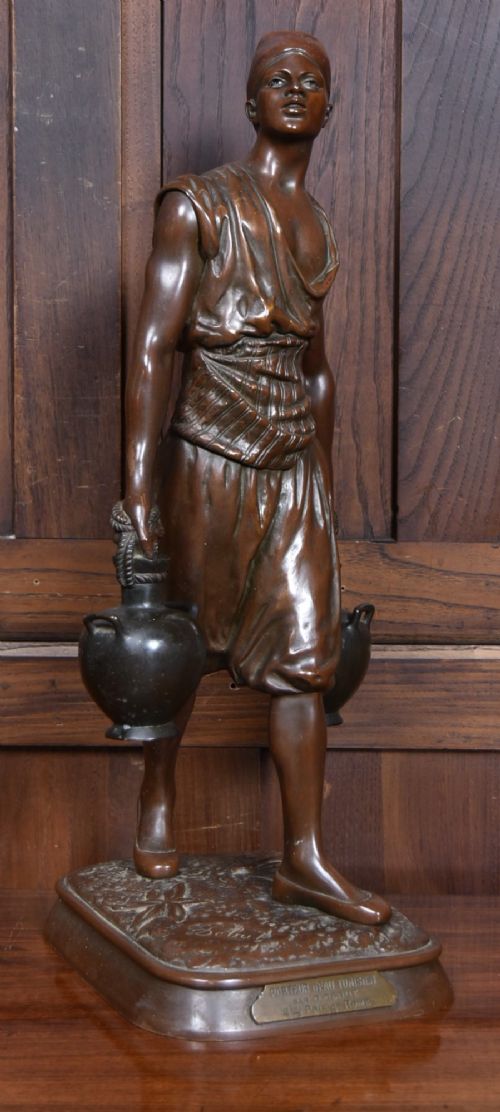
Common recurring themes include figures such as water carriers, snake charmers, and historical rulers like Saladin or Assyrian monarchs. Collectors meet these subjects rendered in materials varying from patinated bronze to Royal Worcester porcelain.
Judging quality and craftsmanship
The fineness of chisel work on bronze surfaces and the precision of cold-painted or polychrome enamel details set superior examples apart from standard production pieces. Master sculptors achieved depth in drapery and expression that lesser workshops failed to replicate.
Provenance and factory attribution significantly elevate certain pieces, particularly marked works by notable modellers and porcelain manufacturers from the nineteenth century. Unsigned castings or unmarked terracotta figures lack the documented heritage attached to attributed foundry and ceramic productions.
Victorian Orientalist Statues Retail Price Guide 2026
Typical asking prices for victorian orientalist statues among the pieces listed under this phrase on Sellingantiques today, from the lower quarter to the upper quarter. They describe what is for sale here now, not the wider market.
Represented forms include sculptural figures, portrait busts, floor lamps, and decorative wall art.
James Hadley for Royal Worcester·Arthur Waagen·Pierre Jules Mène·Frederic Goldscheider·E Villanis
The Victorian Orientalist Statues Glossary
- Orientalist
- Relating to the artistic movement in nineteenth-century Europe that focused on subjects from the Middle East, North Africa, and Asia. This style influenced sculptors, painters, and ceramicists of the period.
- Cold-painted bronze
- Bronze sculpture painted with oil or enamel colours after casting, without subsequent firing. This technique allowed for vivid depictions of traditional clothing and skin tones.
- Patinated bronze
- Metal sculpture treated with chemicals to produce a specific surface colour or sheen. The resulting finish protects the metal while accentuating sculptural contours.
- Polychromed
- Decorated in several colours, applied to materials such as plaster, terracotta, or porcelain. This surface treatment brings out intricate patterns in garments and decorative accessories.
- Terracotta
- Fired unglazed clay used for sculptural modeling and architectural ornamentation. Sculptors favored this porous earth-toned material for large-scale figures.
Victorian Orientalist Statues: Frequently Asked Questions
What materials were used?
Nineteenth-century artisans utilised bronze, cold-painted bronze, porcelain, terracotta, marble, and polychromed plaster. These varied mediums allowed workshops to produce both durable outdoor bronzes and delicate ceramic cabinet figures.
Precious highlights such as gold leaf and enamel also appear on select porcelain pieces to accentuate ornamental robes and jewellery.
How do I identify a Victorian piece?
Examine the clothing styles, casting techniques, and any factory marks or signatures present on the base or reverse. Nineteenth-century bronzes often feature foundry stamps or artist incisions typical of the period.
Ceramic figures frequently carry factory ciphers or registration dates corresponding to the late Victorian era.
Where were these figures displayed?
Victorian households placed these sculptures in drawing rooms, libraries, and studies as decorative conversation pieces reflecting global exploration. Large bronze statues and marble busts stood on pedestals, while porcelain figurines occupied mantelpieces and cabinets.
Some figures also served functional purposes as lamps or clock housings.
What subjects are most common?
Popular subjects include water carriers, snake charmers, musicians, and figures engaged in daily North African or Middle Eastern life. Historical and biblical rulers such as Saladin and Assyrian monarchs also appear.
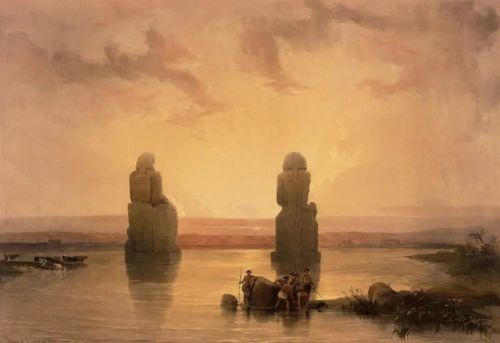
Artists drew inspiration from travel literature and contemporary exhibitions of the era.