



Victorian Oriental Tea Table
A victorian oriental tea table brings distinct global craftsmanship into a room, offering practical surface space paired with intricate carving and lacquerwork.
Victorian Oriental Tea Table
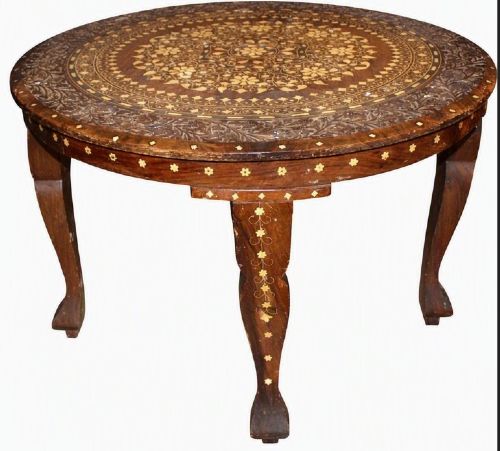
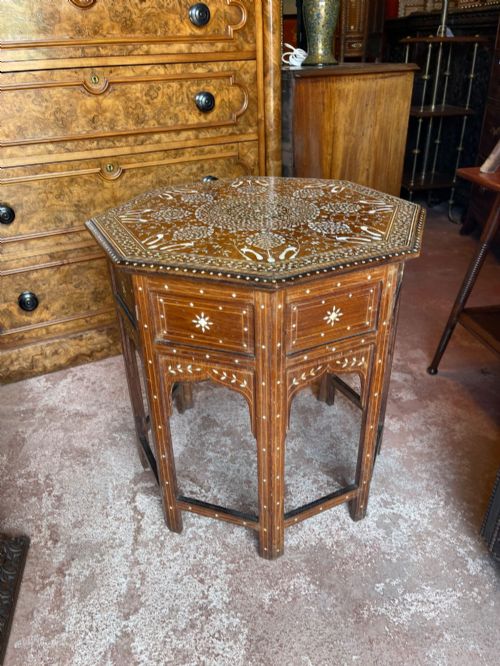
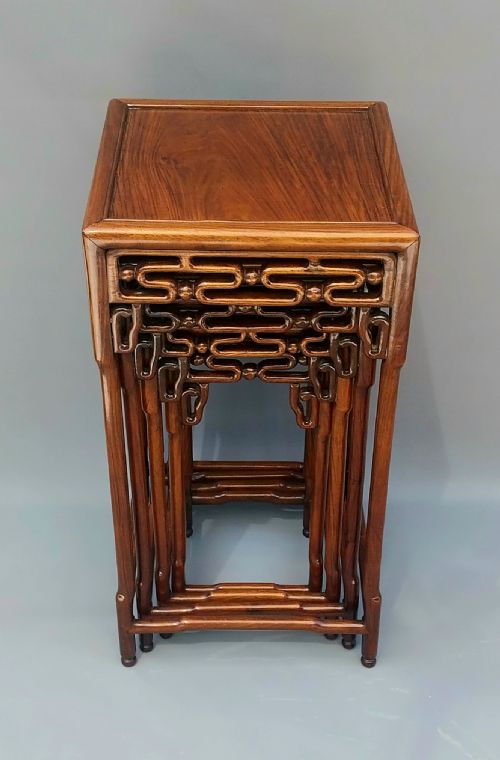
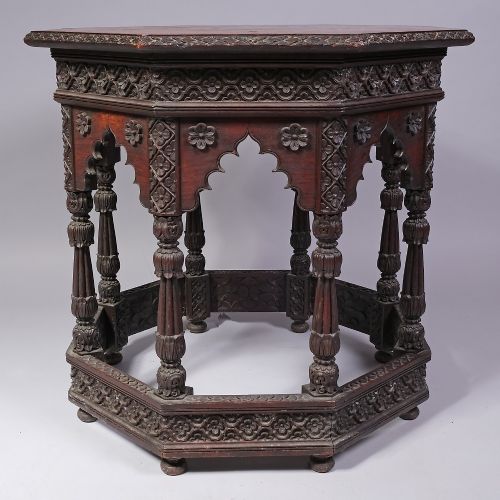
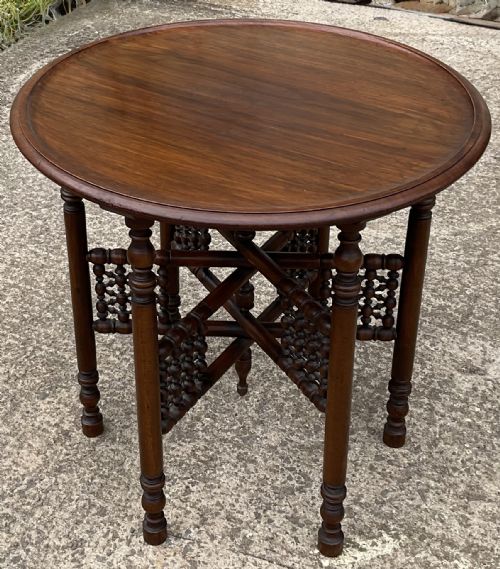
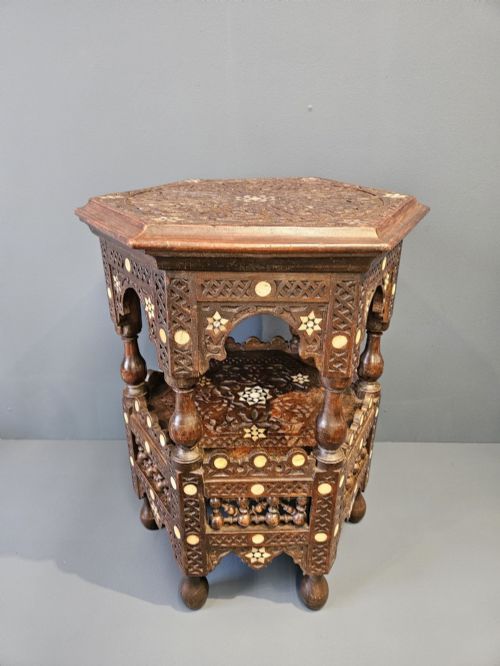
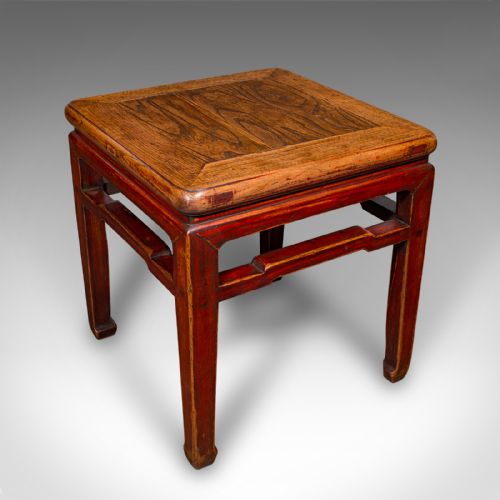
When you search for a victorian oriental tea table, you encounter a diverse range of occasional furniture spanning the nineteenth and early twentieth centuries. The selection includes side tables, folding tables, nests of four tables, and octagonal lamp tables drawing on Anglo-Indian, Chinoiserie, Japanese Meiji, and Moorish Revival styles.
The materials and construction reflect global exchange, featuring woods such as teak, rosewood, hardwood, elm, and sheesham alongside lacquer, brass, bone, and copper. Pieces originate from distinct workshops and regions, ranging from Hoshiarpur to China, Burma, and Japan, created across the Victorian period and into the Edwardian era.
Materials and Technique
Makers utilised dense hardwoods including teak, rosewood, and sheesham as stable foundations for complex surface ornamentation. These timbers were carved deeply or turned to form octagonal, circular, and folding structures designed for portability or static display.
Surface decoration involved intricate bone inlay, brass wire work, copper tops, and layered lacquer applied in Chinoiserie and Japanese Meiji traditions. Artisans combined these techniques to create textured relief and contrasting geometric or pictorial designs across trays and tabletops.
A travelling trader once packed an entire altar into a folding teak stand, proving that nomadic merchants knew the value of good interior design.
Evaluating Craftsmanship
Quality rests in the precision of the carving and the stability of the timber joints across folding mechanisms and fixed stands. Superior examples maintain crisp relief in the woodwork and secure placement of delicate bone or brass inlays without shrinkage gaps.
The depth of finish on lacquered and japanned surfaces dictates the longevity of the decorative scheme. Finer pieces demonstrate careful preparation and durable finishing that withstands handling while preserving pictorial or geometric details.
Liberty And Co
The Victorian Oriental Tea Table Glossary
- Anglo-Indian
- Furniture made in India during the British colonial period, often combining traditional local carving with European furniture forms.
- Chinoiserie
- European interpretation and imitation of Chinese artistic traditions, typically executed in lacquer, gilt, and painted decoration.
- Hoshiarpur
- A town in Punjab renowned for intricate wood carving and geometric bone or brass inlay work on tables and screens.
- Hongmu
- A category of dense, dark Chinese hardwoods, frequently translated as red wood, used for high-status furniture such as nests of tables.
- Japanned
- European lacquerwork imitating Japanese export items, produced by applying resin finishes and metallic decoration to wooden substrates.
Victorian Oriental Tea Table: Frequently Asked Questions
How were these tables used originally?
These tables served various domestic functions, acting as surfaces for serving tea, displaying lamps, holding cards, or functioning as portable folding stands. Their diverse forms accommodated both formal reception rooms and casual living spaces.
Many designs originated overseas for export or colonial households, while others were produced in Britain under Eastern aesthetic influences. Their adaptability made them suitable for movement around the home as daily requirements shifted.
How do I distinguish regional styles?
Regional styles are identified through distinct material choices and decorative techniques specific to their origin. Anglo-Indian pieces typically display dense floral wood carving with bone or brass inlay, whereas Chinoiserie examples utilise lacquered and painted surfaces.
Japanese Meiji and Middle Eastern Moorish pieces introduce alternative motifs and geometric lattice patterns. Examining the underlying timber, such as teak, rosewood, or elm, further clarifies the geographic source.
Are folding tables structurally stable?
Folding and occasional tables rely on hinged or interlocking wooden components designed for straightforward assembly and dismantling. When properly maintained, these mechanisms provide reliable daily support for light objects like lamps and books.
Care should be taken when moving folding variants to avoid stressing the original hinges or carved wooden joints. Regular placement on level flooring ensures the stability of the frame over time.
How do I care for inlaid wood?
Inlaid wooden surfaces require gentle dusting with a dry, soft cloth to prevent particulate buildup within the carved recesses and bone details. Avoiding excessive moisture and direct sunlight protects both the timber substrate and the contrasting inlay materials.
Occasional light conditioning maintains the natural moisture of hardwoods like teak and rosewood without disturbing delicate brass wire or lacquer finishes. Stable indoor humidity prevents timber movement that could loosen inlay work.