



Victorian Old Mine Cut
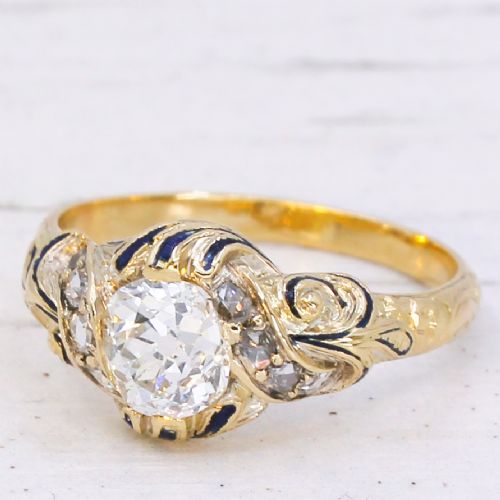
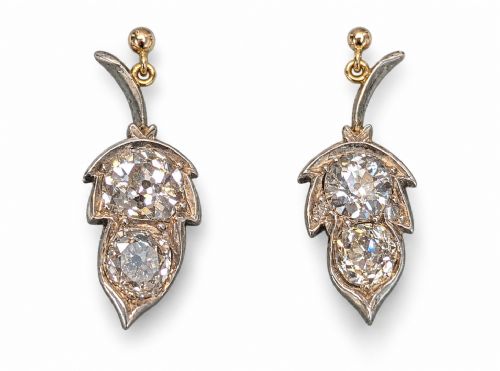
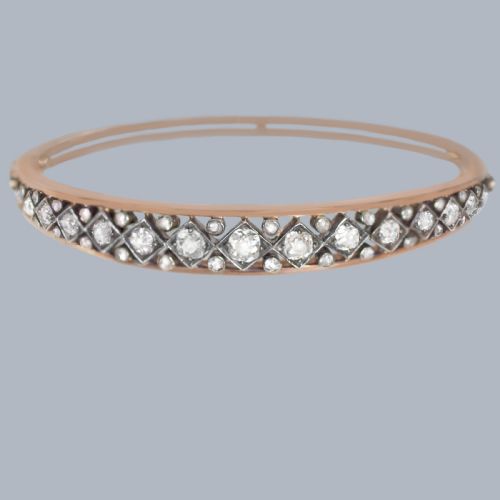
Victorian old mine cut jewellery captures the soft, candlelit sparkle of hand-faceted diamonds set in rich gold and silver.
Victorian Old Mine Cut
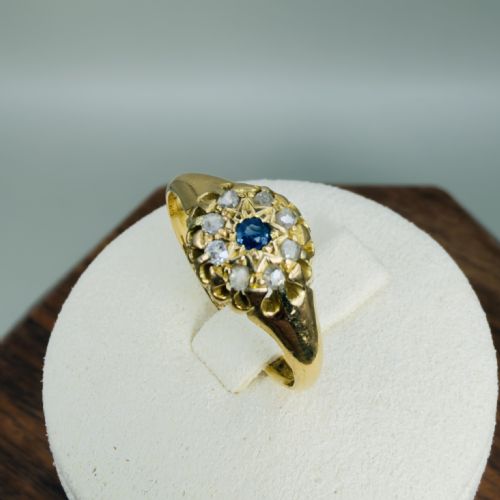
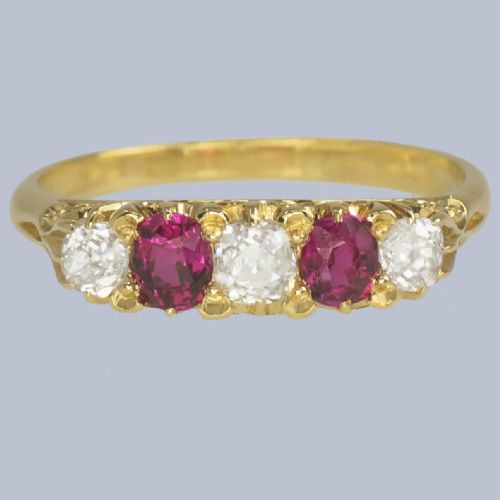
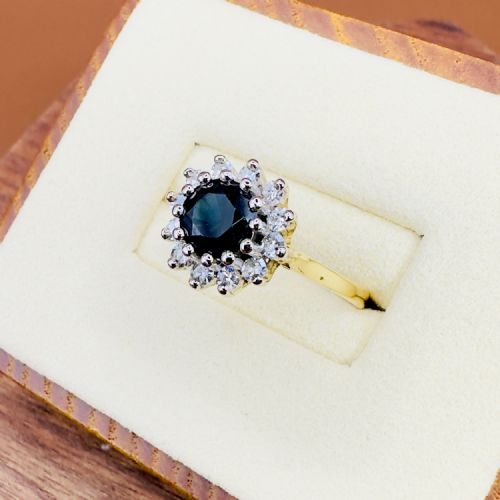
The selection on this page centres heavily on Victorian pieces spanning from the early decades through to the late nineteenth century, supplemented by occasional Georgian and Edwardian examples. Rings dominate the offerings, particularly cluster and multi-stone configurations that combine these historic diamonds with rubies, sapphires, or emeralds.
Materials and Construction
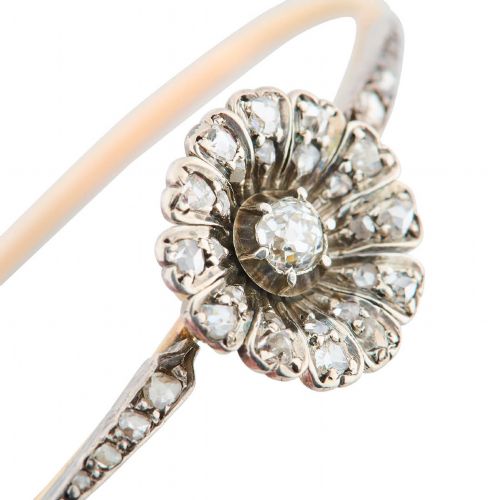
Goldsmiths of the period relied on eighteen carat yellow gold, fifteen carat gold, and occasionally silver settings, often mounting stones in silver over gold to enhance the whiteness of the diamonds. These metals were shaped by hand into boat-shaped clusters, gypsy bands, and intricate floral motifs.
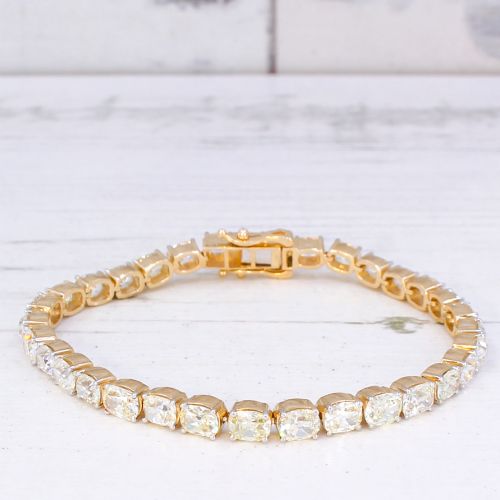
The diamonds themselves were cleaved and polished by hand rather than cut with automated precision, resulting in chunky facets and open culets that catch ambient light in a unique manner. Gemstones like rubies and sapphires were frequently integrated alongside the diamonds in secure prong or bezel settings.
Listings feature yellow gold, silver, and platinum alongside diamonds, rubies, sapphires, and emeralds across Victorian, Edwardian, and Georgian periods.
Factors That Distinguish Quality
The overall harmony of a piece dictates its standing, particularly how well the hand-cut proportions of the diamond complement the surrounding metalwork. Symmetry in multi-stone rings and the integrity of the original claw or bezel settings play a major role in establishing a finer example.
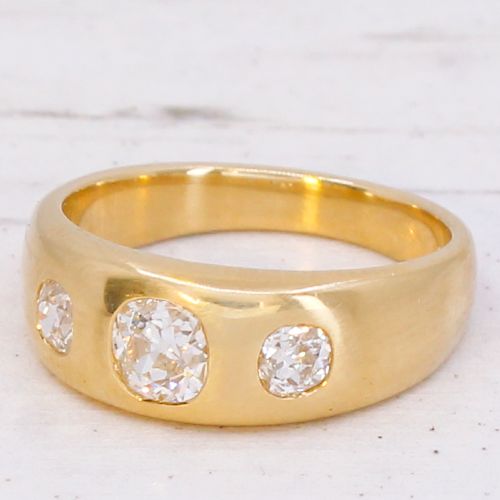
Artisanal execution in the mount separates standard production from exceptional work, visible in chased shoulders, secure flush settings on gypsy rings, and matched gem weights within cluster arrangements.
The Victorian Old Mine Cut Glossary
- Old mine cut
- A vintage diamond faceting style characterised by a cushion outline, a small table, a high crown, and a noticeable open culet at the base. This historic cut preceded modern brilliant faceting.
- Culet
- The small facet or point at the very bottom of a gemstone. In older stones, this is often large enough to be seen easily through the table.
- Gypsy ring
- A ring style where the gemstones are flush-set directly into the thick, tapering metal band rather than held in raised claws. This design became popular during the late Victorian era.
- Half hoop
- A ring setting where a row of stones, typically diamonds or alternating gems, spans the upper portion of the band in a uniform line.
- Navette
- A boat-shaped setting that is pointed at both ends and elongated across the finger. This term also applies to rings featuring this distinctive outline.
Victorian Old Mine Cut: Frequently Asked Questions
What is an old mine cut diamond?
An old mine cut diamond is a hand-faceted stone from the eighteenth and nineteenth centuries, recognised by its cushion shape, deep pavilion, and small table. These stones were shaped by hand to maximise sparkle under candlelight.
Unlike modern round brilliants, each old mine cut diamond possesses unique asymmetries and a distinct open culet that reflect their artisanal origins.
How do I care for antique rings?
Antique rings require gentle cleaning with warm soapy water and a soft brush, avoiding harsh chemical dips or ultrasonic cleaners that can loosen historic settings. Store them individually to prevent the metals and stones from scratching one another.
Regularly check the security of the claws and settings with a jeweller to ensure the historic diamonds and coloured gems remain firmly in place.
Are these pieces hallmarked?
Many Victorian pieces bear British hallmarks indicating the city of assay, metal purity, and date of manufacture, though some items lose these marks over generations of sizing or wear. Unmarked pieces are evaluated through stylistic cues, metal testing, and construction techniques.
When present, hallmarks provide a precise year and origin that helps confirm the period of the jewellery.
Can I wear my ring daily?
While Victorian jewellery was built to be worn, the age of the settings means that daily wear requires mindful care, particularly with delicate cluster or multi-stone rings. Removing rings during vigorous activities or housework helps protect the gold and silver from unnecessary strain.
Routine inspection of the prongs and bands ensures that these historic items remain structurally sound for regular enjoyment.