






Victorian Officer Desk
A victorian officer desk brings portable engineering into a room, offering fitted writing surfaces and sturdy drawers designed for travel.

Victorian Officer Desk
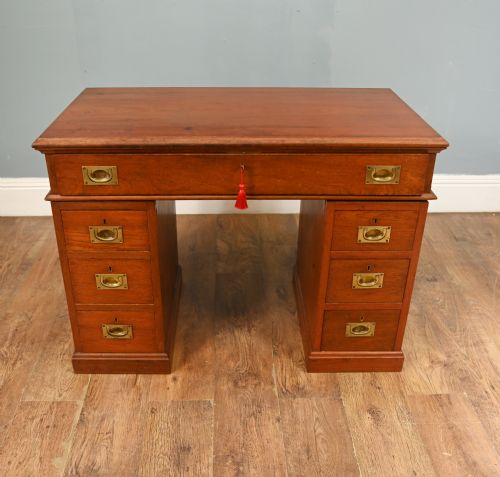
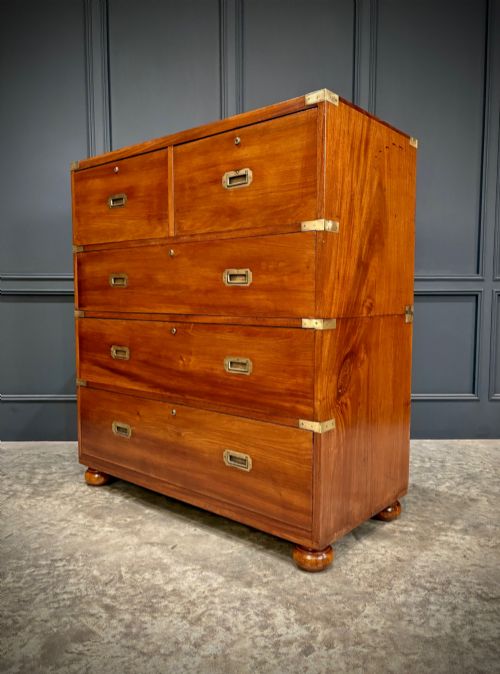
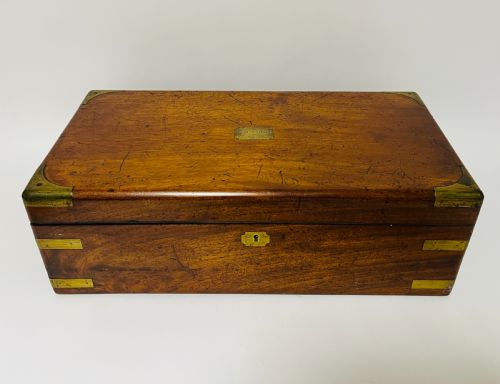
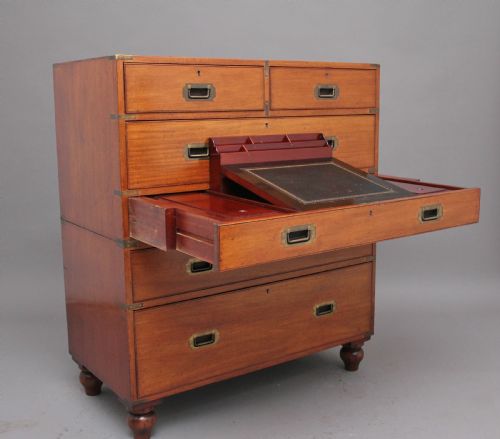
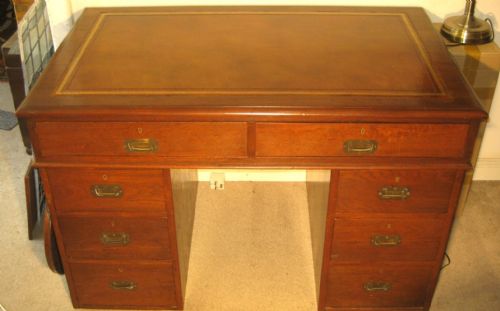
When you search for a victorian officer desk, you encounter pieces engineered for movement, spanning pedestal desks, secretaire chests, and portable writing slopes. The examples met most frequently on this page take the form of camphor wood or mahogany secretaire chests and fitted writing boxes dating through the nineteenth century.
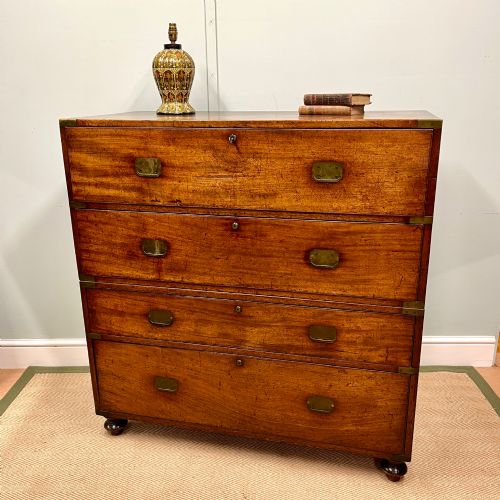
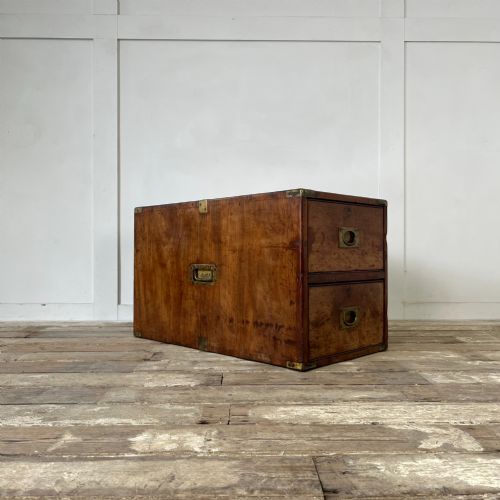
These items originate from military campaigns and colonial service, built in modular sections that separate for transit. The forms range from compact lap desks to large two-part chests containing internal drawers, pigeonholes, and fold-down writing surfaces.
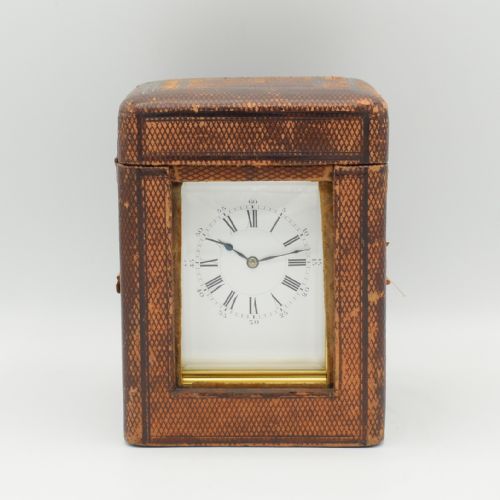
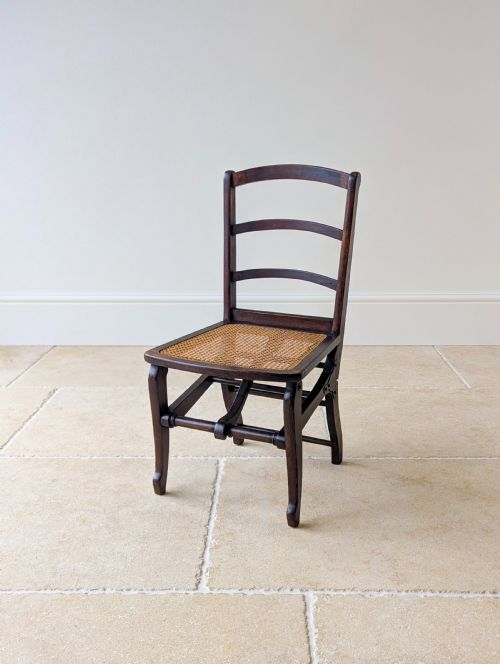
Alongside standard desks, the selection includes related campaign items such as folding chairs, correspondence boxes, and carriage clocks that share the same robust construction ethos. Each piece reflects the practical requirements of officers on the move.
Materials and construction methods
Makers utilised dense timbers capable of withstanding harsh climates and rough handling, predominantly selecting mahogany, camphor wood, and solid teak. These woods resist warping and provide a stable foundation for frequent dismantling.
Brass corners, flush-fitting handles, and strapwork reinforce every vulnerable edge and joint, protecting the carcase during transport. Leather inserts often line the writing surfaces, providing a durable plane for correspondence.
Carrying handles made of iron or brass are recessed into the sides to maintain smooth exterior profiles. Secret drawers and internal compartments are integrated compactly within the cabinetry to maximise utility.
The selection includes portable writing slopes, folding chairs, and carriage clocks alongside modular secretaire chests.
Evaluating craftsmanship and detail
Quality rests upon the precision of the dismantling mechanism and the tightness of the joinery between sections. Superior examples fit together seamlessly without wobble, whilst lesser items show loose tolerances from heavy wear.
The choice of timber grain and the crispness of the brass mounts distinguish finer pieces from utilitarian equipment. Original brasswork that retains its fitted screws and original leather inserts indicates a higher standard of manufacture.
The complexity of the interior arrangement, including secret compartments and well-fitted stationery pigeonholes, separates standard camp furniture from bespoke items commissioned for senior officers.
Henri Jacot·J. F. Bautte Et Cie·Ross of London·Drocourt·E.J.Dent·J.W.BENSON
The Victorian Officer Desk Glossary
- Secretaire chest
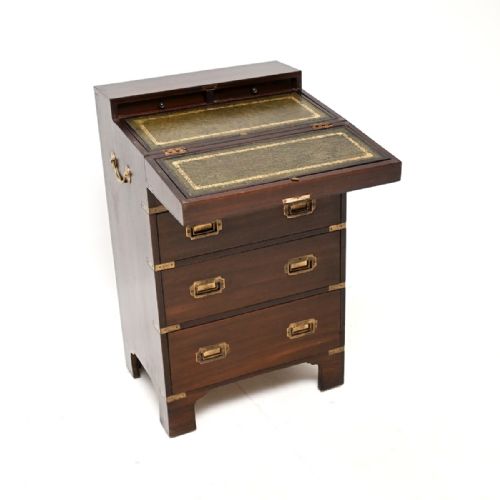
- A chest of drawers featuring a dedicated drawer that pulls out and drops down to reveal a fitted writing desk with small drawers and pigeonholes inside. This hybrid form saves space in temporary quarters.
- Campaign furniture
- Modular furnishings built in sections with recessed handles and brass corners for easy dismantling and transport during military campaigns. The style prioritises durability and portability above all else.
- Writing slope
- A portable box with a slanted writing lid that opens to store stationery, inkwells, and papers. Many feature leather-lined writing surfaces that fold flat when closed.
- Camphor wood
- An aromatic hardwood valued for its insect-repellent properties and resistance to humidity. It appears frequently in pieces intended for colonial service.
- Brass-bound
- A method of reinforcing wooden corners and edges with brass strips and corner pieces to prevent splitting during transit. It defines the aesthetic of military equipment.
Victorian Officer Desk: Frequently Asked Questions
What is a secretaire chest?
A secretaire chest combines a standard set of drawers with a pull-out writing drawer that drops down to form a desk. It includes interior compartments for ink and paper.
This dual purpose made it essential for officers who needed both storage and a writing surface in cramped quarters.
How do campaign desks separate?
Campaign desks and chests are built in modular sections, such as an upper and lower chest, held together by internal brass pins or hooks. The parts pull apart easily for transport.
Recessed brass handles on the sides allow handlers to lift each section securely without damaging the polished wood.
Why use camphor wood?
Camphor wood repels insects and withstands damp tropical climates, making it the preferred timber for colonial service. Its natural oils protect stored uniforms and documents.
Furniture made from this wood carries a distinct aromatic scent that lingers long after manufacture.
How do I care for leather writing surfaces?
Leather writing surfaces require gentle cleaning with a dry or barely damp cloth to avoid water spotting. Conditioning balms help keep the hide supple over time.
Avoid placing damp items or heavy moisture directly on the leather to preserve the finish.
Are campaign desks heavy?
Despite being built for travel, these pieces are constructed from dense hardwoods like mahogany and teak, making them surprisingly heavy. The portability came from modular division rather than lightweight materials.
Two people are usually required to lift a two-part chest safely.