



Victorian Oak Tea Table
A victorian oak tea table brings solid timber grain and practical folding actions into a room, offering sturdy charm for daily use.
Victorian Oak Tea Table
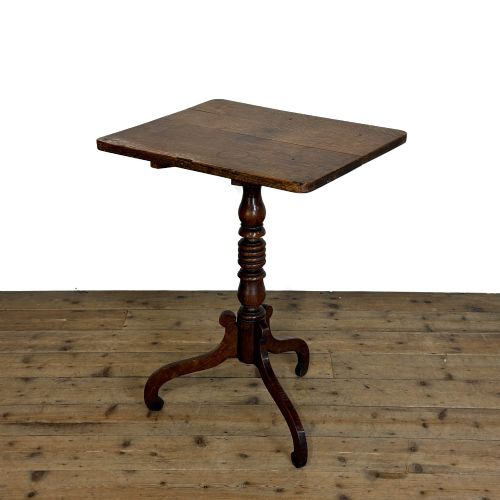
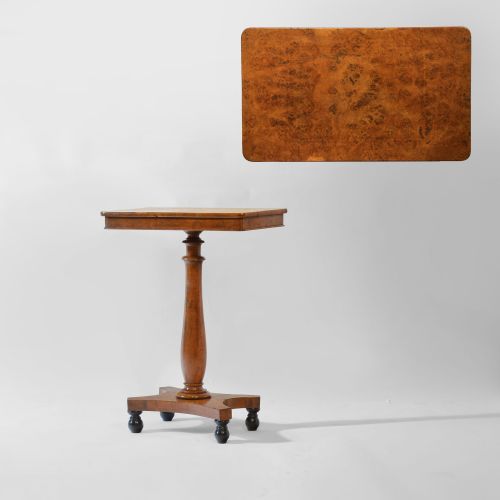
When you search for a victorian oak tea table, you encounter practical domestic furniture designed for entertaining and social gatherings during the nineteenth century. These pieces range from gateleg and tilt-top designs to fold-over card tables that expand when needed for guests.
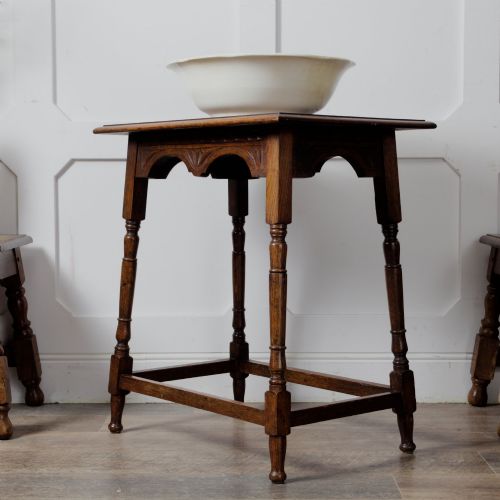
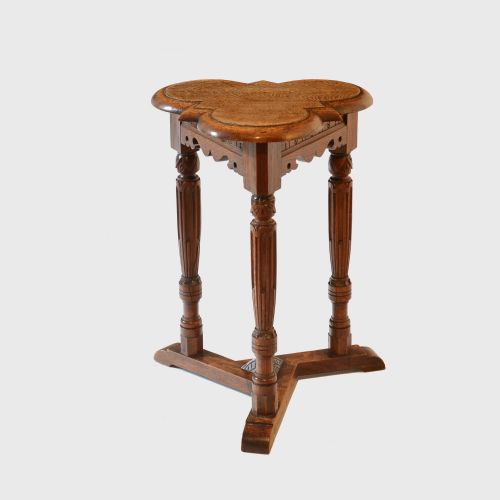
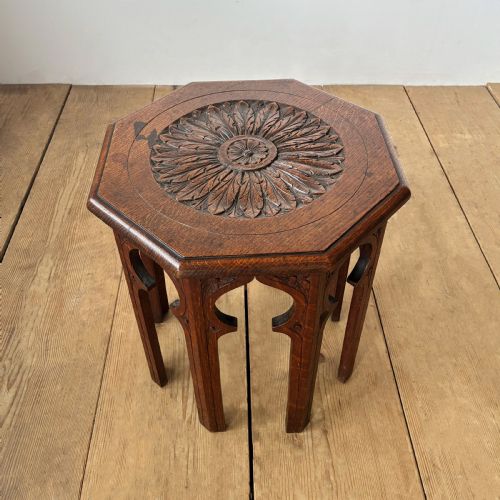
The versions most likely to appear on this page include solid oak occasional tables, carved side pieces, and occasional tables with drop leaves or pivoting tops. Makers utilised sturdy timber to create durable surfaces suited for parlours and drawing rooms.
Originating largely from British workshops, these tables demonstrate the shift towards functional domestic furnishings during the Victorian period. Shoolbred and other makers produced versions that combined utilitarian actions with decorative carving.
Assessing craftsmanship and quality
The standard of a victorian oak tea table depends on the selection of timber and the crispness of the hand-carved details. Finely figured pollard oak and precise joinery distinguish superior pieces from plain utilitarian examples.
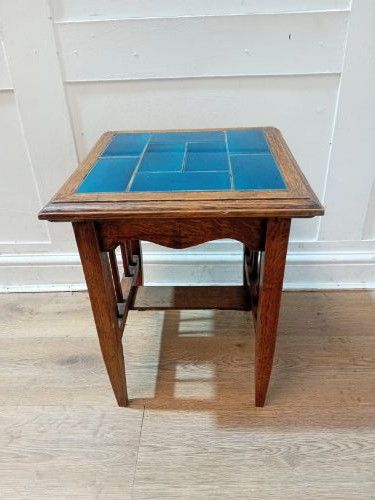
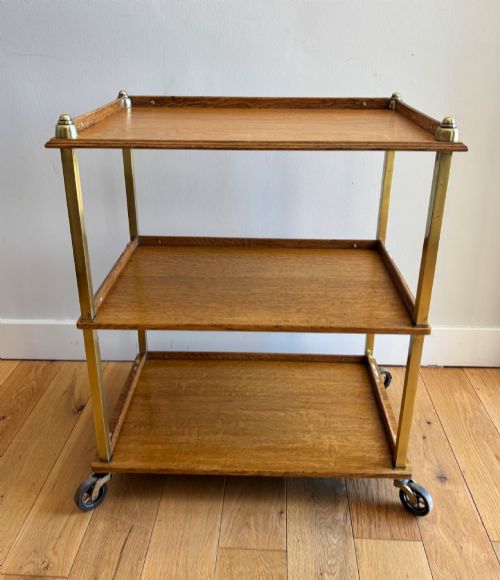
Mechanical actions, such as smooth gateleg pivots and secure tilt-top catches, indicate higher workshop standards. Integrated elements like ceramic tiles or brass hardware remain securely fitted in better examples.
Several tables include secret compartments or clever folding actions designed to surprise guests during tea time.
Shoolbred·Liberty and Co·Gillows
The Victorian Oak Tea Table Glossary
- Gateleg table
- A table with hinged drop leaves supported by legs that swing out like gates. This design allows the surface to expand for tea service and fold down compactly when not in use.
- Tilt-top table
- A table featuring a mechanism that allows the top to pivot into a vertical position. This saved floor space in smaller Victorian rooms.
- Pollard oak
- Timber taken from trees that were pollarded, resulting in highly textured, knotted grain patterns. Cabinetmakers prized this wood for decorative table surfaces.
- Card table
- A folding table designed for parlour games and card playing, often featuring a lined surface and a pivoting top that reveals a storage well underneath.
- Teapoy
- A small stand or box on a pedestal designed to hold tea caddies. These pieces reflect the Victorian ritual of serving tea in the parlour.
Victorian Oak Tea Table: Frequently Asked Questions
What is a victorian oak tea table used for?
These tables served primarily for afternoon tea and social entertaining in nineteenth-century homes. Their folding leaves and tilt mechanisms provided adaptable surfaces for parlours.
Today, they function well as occasional tables, display surfaces, or coffee tables in traditional and contemporary interiors alike.
Are these tables made of solid oak?
Most examples utilise solid oak framing and top boards, sometimes enhanced with pollard oak veneers for decorative effect. Workshops selected seasoned timber to ensure durability during daily domestic use.
Secondary woods may appear in hidden structural areas, whilst brass and ceramic elements provide functional contrast.
How do I care for an antique oak surface?
Maintain the timber by applying a traditional beeswax polish to nourish the grain and protect the finish from moisture. Avoid placing hot cups or wet items directly on the bare wood.
Keep the table away from direct heat sources and strong sunlight to prevent the timber from drying out or splitting.