





Victorian Novelty Pin
These small silver and gem-set pieces form the heart of any collection of a victorian novelty pin, offering miniature animal and object shapes that charm modern buyers.
Victorian Novelty Pin
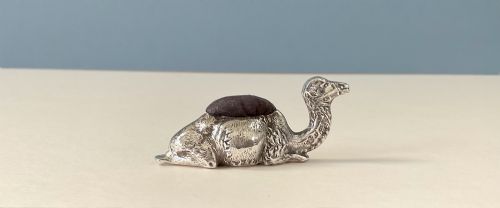
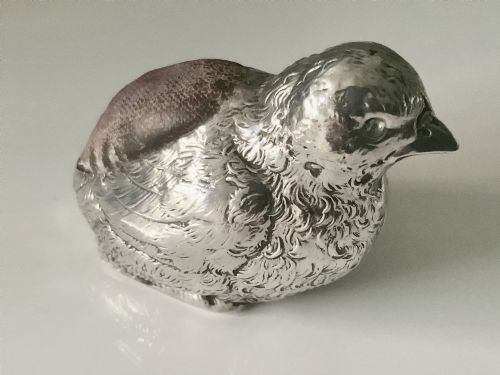
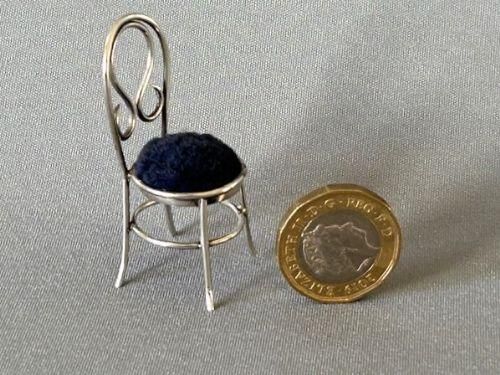
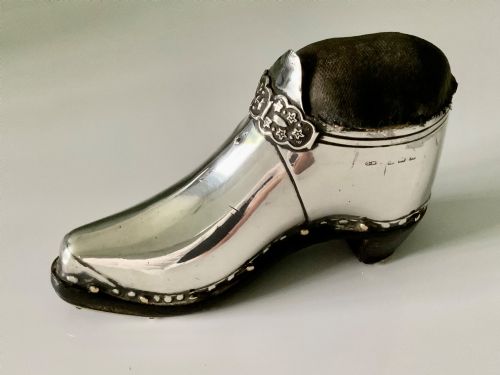
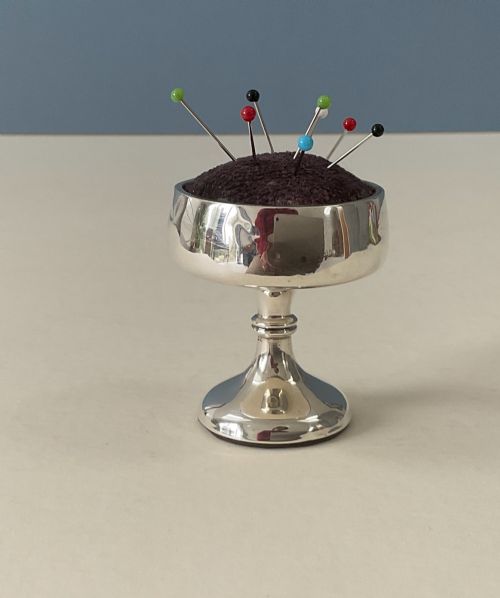
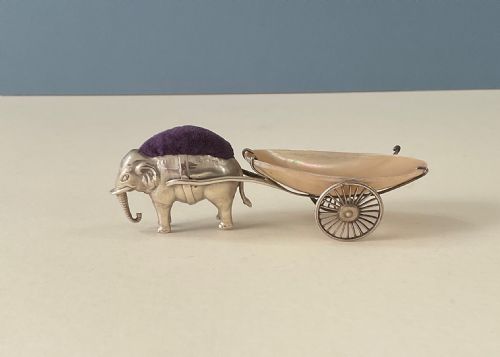
When you search for a victorian novelty pin, you encounter miniature silver pin cushions, brooches, and stick pins shaped as animals, birds, insects, and everyday objects. The most common forms on this page are figural silver pin cushions cast as shoes, animals, vehicles, and household items from the Victorian and Edwardian eras. These pieces bridge the gap between practical sewing accessories and decorative art.
The materials span solid silver, sterling silver, gold, and brass, often paired with velvet or fabric inserts and accented by diamonds, rubies, emeralds, pearls, and enamel. Alongside the pin cushions, the selection includes insect and bird brooches set with precious stones. Origins stretch from British workshops to Austrian cold-painted bronze creations.
How they were made
Silversmiths shaped these items using casting techniques to achieve detailed animal and object forms, utilising sterling silver and solid silver for the main bodies. Velvet and fabric fabrics were fitted tightly inside the silver frames to serve as the functional pin cushions.
Goldsmiths set diamonds, rubies, emeralds, and pearls into gold and silver backings for the brooch variations. Cold-painted bronze techniques also appear, applying pigment directly onto the metal surface.
Listings span periods from the 19th Century and Victorian era through Edwardian times, utilising silver, gold, velvet, and diamonds.
What varies in quality
Quality rests upon the crispness of the casting and the level of detail rendered in miniature forms like animals, vehicles, and furniture. Finer pieces display clear hallmarks, intricate feather or fur engraving, and secure gem settings.
The choice of materials also divides the range, moving from plain silver and brass frames to those embellished with diamonds, rubies, emeralds, and enamel work. Intact original fabric or velvet cushions retain greater integrity than replacements.
Mappin & Webb
The Victorian Novelty Pin Glossary
- Pin Cushion
- A small stuffed pad used for holding pins and needles during sewing. In novelty pieces, these are housed within silver figural containers shaped as animals or household objects.
- Stick Pin
- A long pin with a decorative head worn upright in a cravat, tie, or lapel. They often feature gold mounts set with gemstones or miniature motifs.
- Brooch
- An ornamental piece of jewellery fastened to clothing with a hinged pin and catch. These often take the form of insects, birds, or botanical subjects set with diamonds and pearls.
- Sterling Silver
- An alloy of silver containing specified proportions of silver and other metals to increase durability. Most British novelty pieces utilise this standard alongside solid silver.
- Cold Painted Bronze
- A technique where bronze objects are painted with cold enamel colours rather than fired in a kiln. This method produces vivid, lifelike finishes on animal figures.
Victorian Novelty Pin: Frequently Asked Questions
How were stick pins used?
Victorian gentlemen and gentlewomen wore stick pins upright in neckties, cravats, or lapels as decorative fasteners. The decorative heads often featured gold, diamonds, and miniature figural motifs.
They served both to secure garments and to display the wearer's taste in fine jewellery and miniature art.
What materials are common in these brooches?
Brooches from this period frequently combine yellow gold or silver with gemstones such as diamonds, rubies, emeralds, pearls, and peridots. Enamel work and mother-of-pearl also appear to render colourful feathers and wings on animal subjects.
These varied media allowed artisans to create highly detailed, miniature sculptures that could be worn on clothing.
How do I care for silver pin cushions?
Keep silver items away from excessive moisture to protect the internal fabric or velvet cushions from dampness and decay. Gentle dusting with a soft cloth preserves the metal surface without harming delicate details.
Avoid abrasive metal polishes that can wear away crisp hallmarks and fine engravings on the silver bodies.
Are these items marked with hallmarks?
Many British silver pieces feature hallmarks indicating the assay office, such as Birmingham, alongside date letters and standard marks. These stamps help verify the period and origin of the silver.
Miniature items can sometimes bear rubbed or partial marks due to their small surface area and intricate shapes.