



Victorian Novelty Desk Accessory
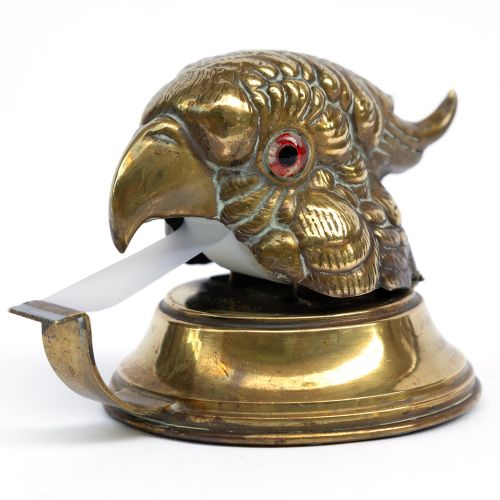
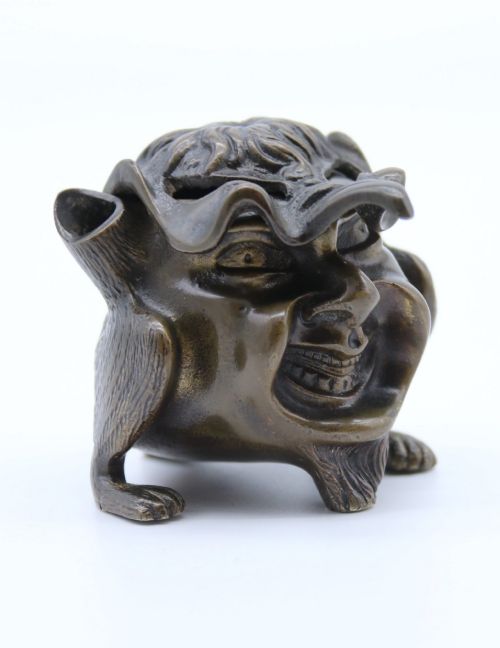
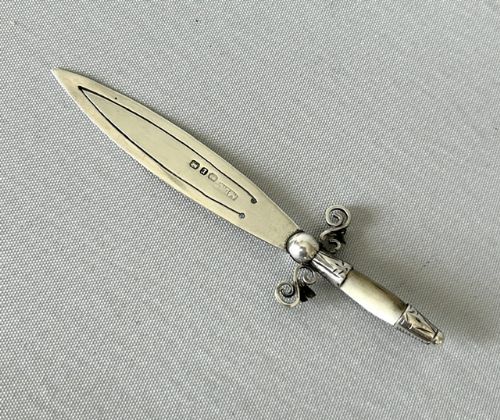
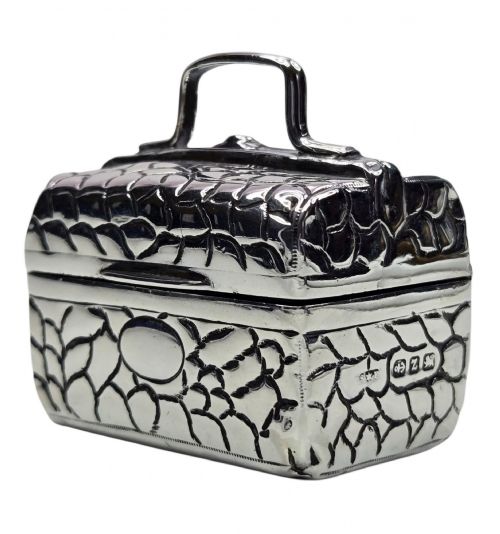
These Victorian novelty desk accessory pieces turn everyday writing tools into animals, boots, and hunting horns.
Victorian Novelty Desk Accessory
A Victorian novelty desk accessory combines practical writing equipment with whimsical or zoomorphic forms. When you search for a Victorian novelty desk accessory, you encounter items designed to entertain while serving a function on the desk.
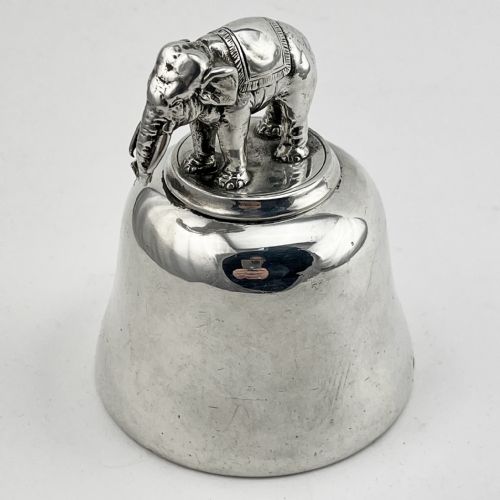
Most examples originate from the nineteenth and early twentieth centuries, spanning the Victorian and Edwardian periods. Makers turned common materials into imaginative desk items such as horn inkstands, bell inkwells, and silver stamps cases.
Materials and technique
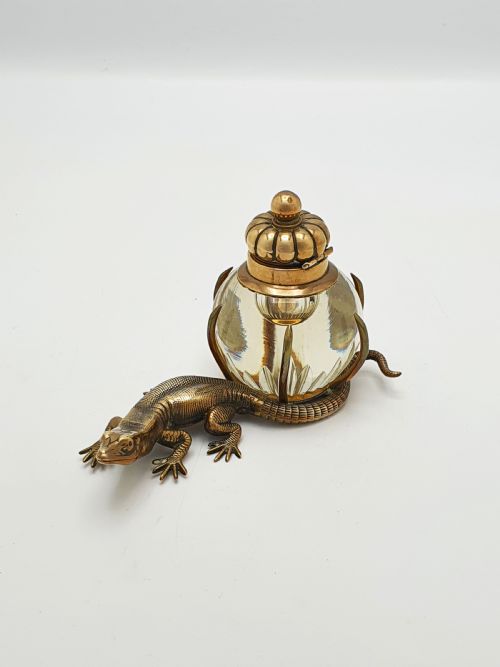
Items rely on sterling silver, silver plate, brass, bronze, and cast iron for structural frameworks and detailed casting. Artisans combined these metals with glass inserts for inkwells and mother-of-pearl for bookmarks.
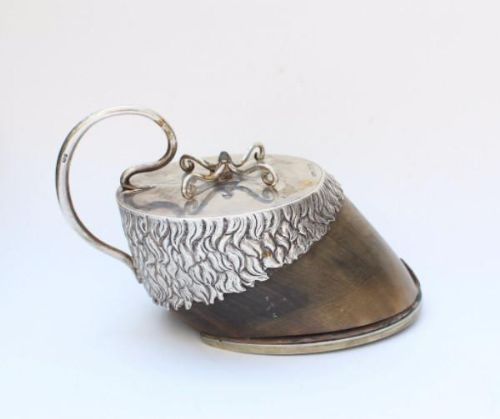
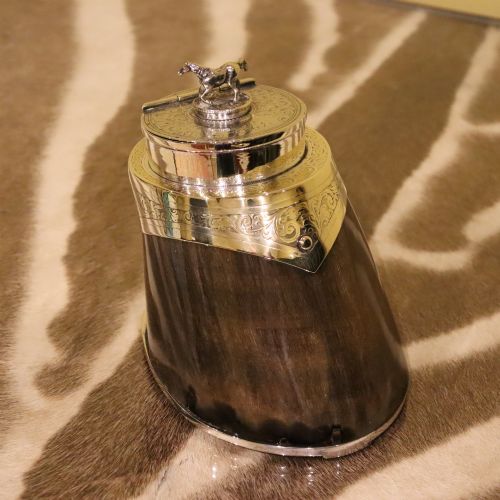
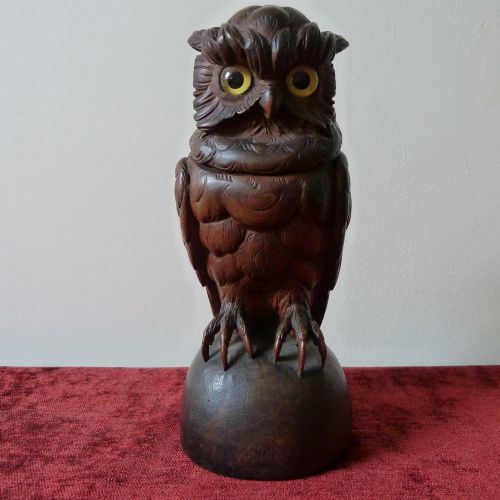
Organic materials play a central role, including carved wood in the Black Forest style, taxidermy horse hooves mounted in silver, horn, velvet, and shell. Carving and taxidermy demand precise handwork to achieve realistic animal forms.
Silversmiths employed techniques such as chasing, engraving, and hallmarking to finish sterling silver stamp cases, pin cushions, and table lighters. Woodworkers utilised hand-carving methods to shape owls, cats, and dogs.
Listings feature items from the Victorian, Edwardian, and early twentieth-century periods, utilising sterling silver, brass, bronze, carved wood, glass, horn, and velvet.
What varies in quality
Quality depends on the realism of the modelling and the crispness of the cast details in bronze, brass, and silver pieces. Superior examples capture anatomical accuracy in animal subjects like foxes, frogs, and birds.
The choice and combination of materials dictate the standard of execution, from intricate taxidermy mounts with silver collars to finely carved wooden figures. Maker attribution also elevates a piece, particularly items bearing known marks like Sampson Mordan and Co or Braham.
Sampson Mordan and Co·Braham
The Victorian Novelty Desk Accessory Glossary
- Inkwell
- A small container for holding ink, often modelled into zoomorphic shapes such as owls, cats, and ponies during the nineteenth century. These vessels sit upon desks alongside matching stands and pen wipes.
- Pin Cushion
- A stuffed pad used for holding pins, frequently fashioned into novelty shapes like spiders, cars, foxes, and dogs in silver. They represent a lighter side of Edwardian and Victorian desk organisation.
- Table Lighter
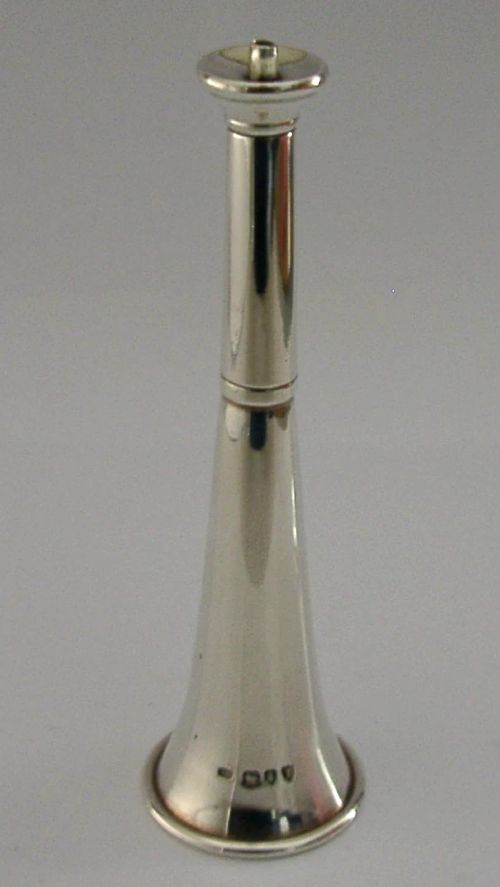
- A mechanical device designed to provide a flame, often styled as hunting horns, canoes, or Aladdin's lamps in sterling silver. These functional table ornaments operated with fluid or vestas.
- Taxidermy
- The art of preserving and mounting animal skins, seen in desk accessories utilising horse hooves mounted with silver or brass. Such pieces reflect the nineteenth-century taste for natural history on the writing desk.
- Vestas
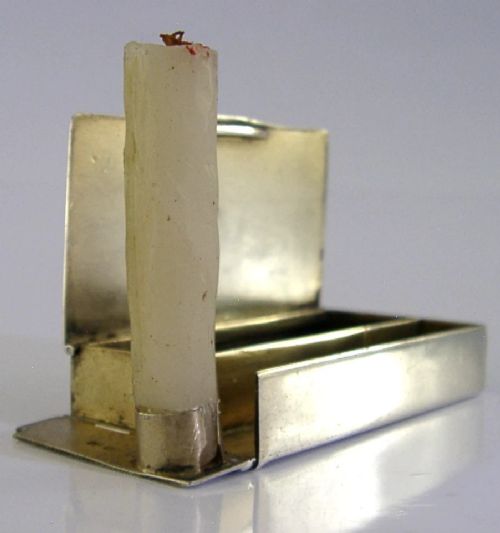
- Small matchboxes made of metal, often combined with go-to-bed taper holders and stamp cases for desk or pocket use. They frequently appear in silver with hinged lids.
Victorian Novelty Desk Accessory: Frequently Asked Questions
How were horse hooves used on desks?
Horse hooves were preserved through taxidermy and mounted with silver, brass, or bronze to serve as inkstands, paperweights, or desk tidies. They reflect the equestrian interests of the nineteenth century.
These items often feature hinged lids on top of the hoof to hold inkwells or desk accessories.
What are Black Forest carvings?
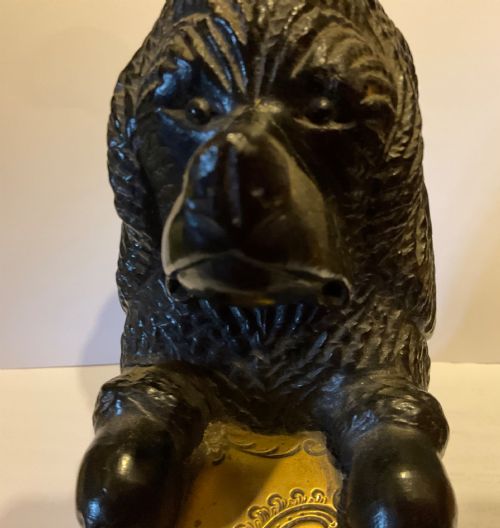
Black Forest carvings are intricately hand-carved wooden objects, often depicting animals such as owls, cats, and dogs. They originated in the European region of the same name and frequently took the form of inkwells.
These pieces showcase detailed woodwork and glass eyes, functioning as decorative desk containers.
How do I care for antique silver and glass?
Antique silver desk accessories require gentle cleaning with a soft cloth to preserve hallmarking and surface patination. Avoid harsh chemical dips that strip away age.
Glass inkwell inserts should be washed carefully by hand, keeping moisture away from fitted metal collars and wooden or leather bases.