

Victorian Novelty
These pieces of victorian novelty antique craftsmanship bring humour and unexpected function to desks and dressing tables.
Victorian Novelty
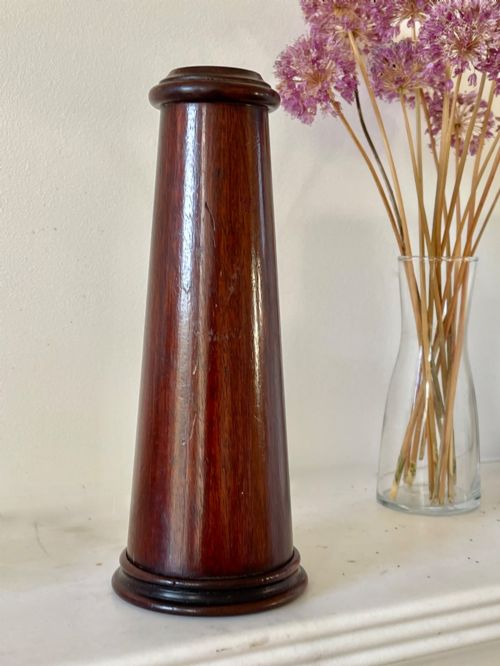
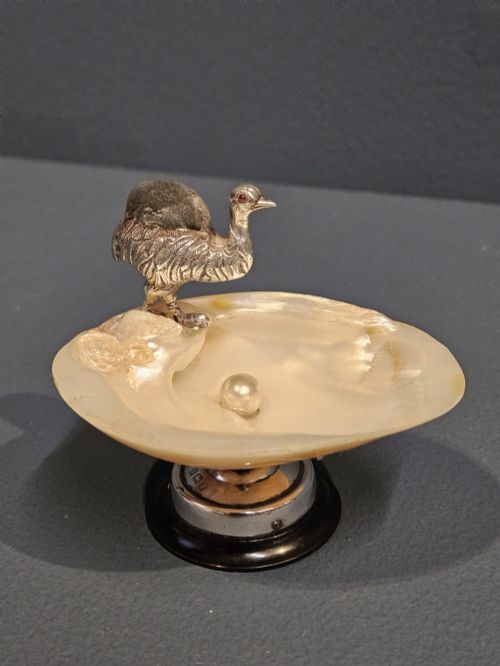
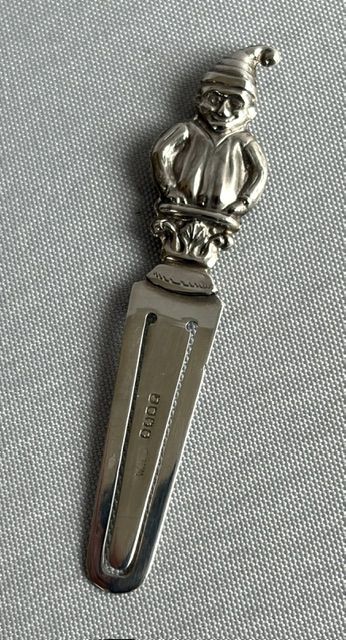
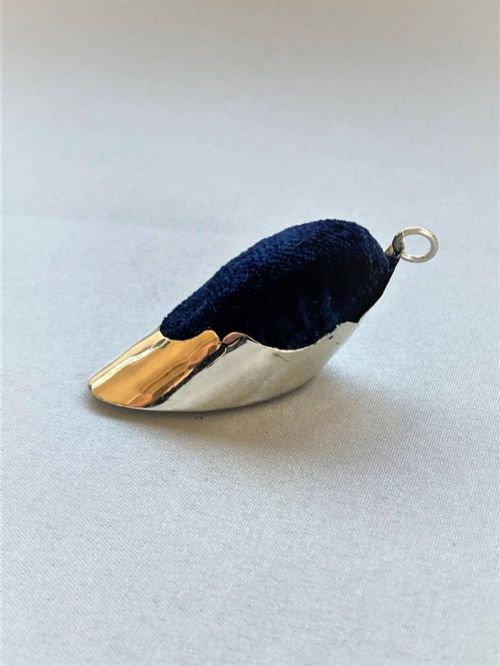
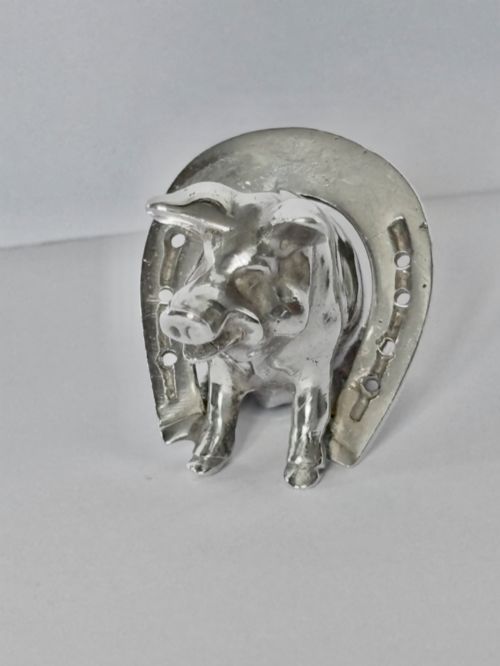
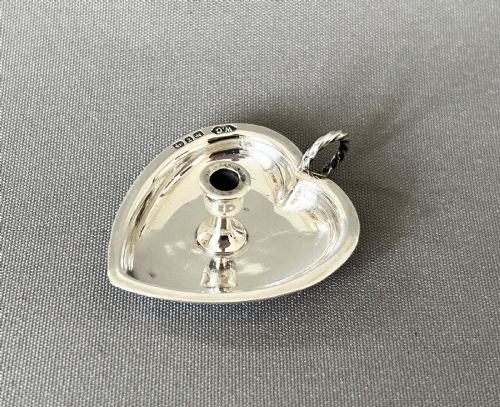
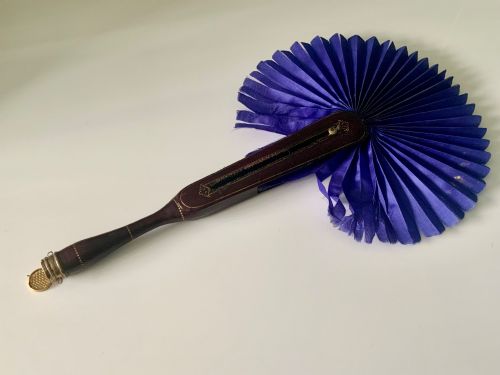
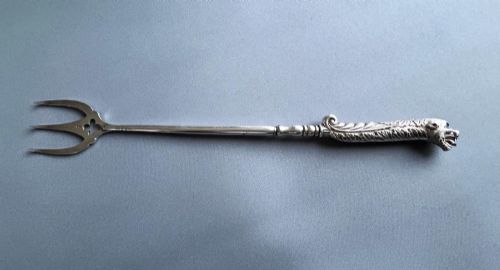
A victorian novelty antique combines practical function with playful form, taking shapes from animals, everyday objects and transport. These items range from small desk accessories and pin cushions to boxes, cruet sets and walking sticks.
The objects appearing most often draw on the Victorian and Edwardian periods, stretching into the early decades of the twentieth century. Makers turned mundane items into conversation pieces through spirited designs like animal figures, musical furniture and miniature household equipment.
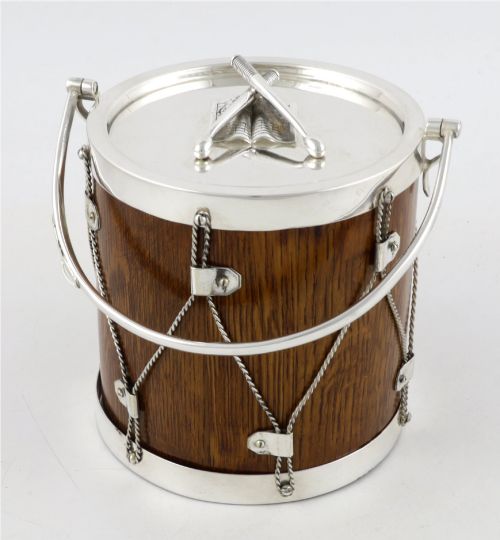
Forms cross several materials, including sterling silver, silver plate, carved wood, brass, velvet, glass and ceramic majolica. Each piece reflects a Victorian appetite for wit applied to silver salts, snuff boxes, match holders and lighting.
How they were made
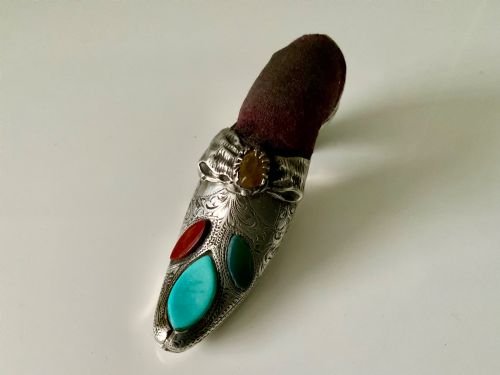
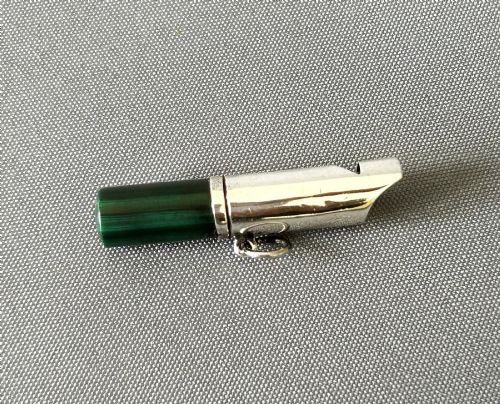
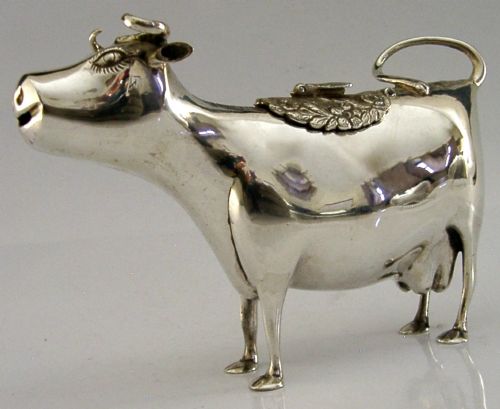
Silversmiths shaped sterling silver and silver plate through casting, hammering and chasing to build detailed animal forms, miniature chairs and musical horns. Artisans integrated gemstones such as malachite and agate into silver mounts for bookmarks and whistles.
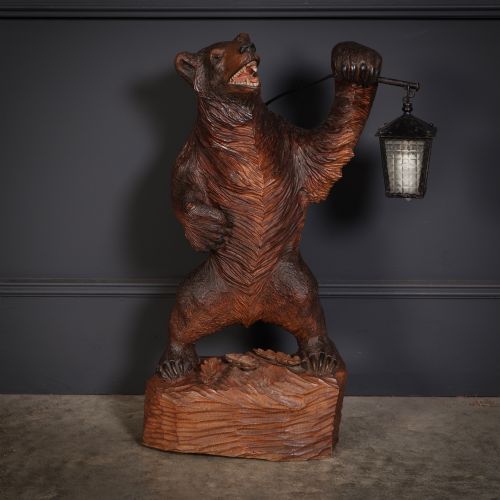
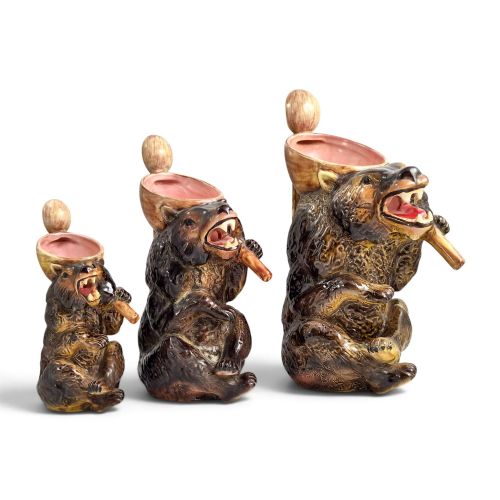
Woodworkers carved fruitwood and oak into figural nutcrackers, bellows pipes and musical bear seats, employing folk art traditions. Ceramicists shaped majolica to form bear jugs and owl lamp bases with coloured glazes.
Victorian Novelty Retail Price Guide 2026
Typical asking prices for victorian novelty among the pieces listed under this phrase on Sellingantiques today, from the lower quarter to the upper quarter. They describe what is for sale here now, not the wider market.
Bear figures appear repeatedly across the listings, taking the form of musical seats, lamps, syrup jugs and nutcrackers.
What varies in quality
The choice and combination of materials distinguish finer examples, such as the integration of hardstones with silver, or the depth of hand-carving in wood and majolica glazing.
Berthold Muller·William Comyns·George Adam Scheid·Joseph Moore·Joseph Holdcroft
The Victorian Novelty Glossary
- Treen
- Small handmade wooden objects produced from timber, spanning treen boxes, nutcrackers and pipes. These items show the grain and hand-carved marks of nineteenth-century turners.
- Majolica
- Lead-glazed earthenware noted for bright polychrome colours and moulded animal or plant forms. It appeared frequently in nineteenth-century figural jugs and lamps.
- Go-to-bed
- A small pocket or desk device designed to hold and ignite a single wax match for lighting a candle or pipe. Victorian examples often took miniature figural forms in silver.
- Match striker
- A container or surface with a ribbed strike area for lighting matches. Many examples incorporate novelty metals and ceramics.
- Pin cushion
- A padded sewing accessory formed into novelty shapes such as chairs, birds, camels and pigs. They were commonly mounted in sterling silver during the Victorian period.
Victorian Novelty: Frequently Asked Questions
What is a victorian novelty antique?
A victorian novelty antique is a functional nineteenth or early twentieth-century object shaped into an amusing or unexpected form, such as an animal, a boot or a piece of furniture.
These pieces were made to amuse guests and spark conversation while serving a practical purpose like holding salt, matches or pins.
How were silver novelty pieces used?
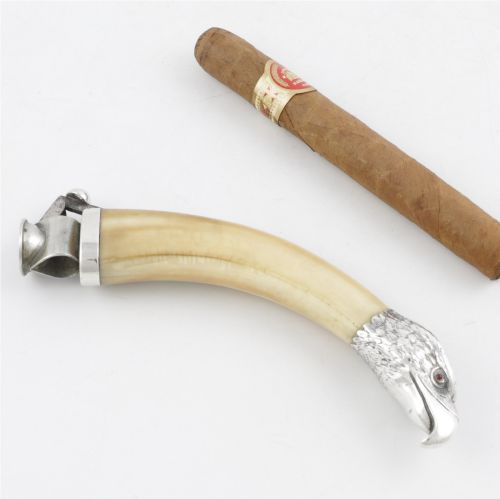
Silver novelty items served everyday domestic and personal tasks on desks, dining tables and dressing rooms. Items functioned as toothpick holders, snuff boxes, cigar cutters, whistles and bookmarks.
Craftsmen combined utility with humorous animal or architectural shapes so that functional items doubled as decorative ornaments.
What materials are common in these antiques?
Sterling silver and silver plate appear frequently, especially in miniature animals, boxes and cruet sets. Carved wood, fruitwood, brass, glass, velvet and majolica ceramics are also common.
Many pieces combine metals with organic materials such as boar tusks, horse hooves, agate and malachite.
How do I distinguish periods among these pieces?
Periods are identified through hallmarks on silver items, stylistic shifts in craftsmanship, and the choice of materials. Victorian pieces often feature ornate chasing and animal subjects.
Edwardian and later pieces from the early twentieth century continue these whimsical traditions while showing slight shifts in manufacturing techniques and silver standards.