



Victorian Night Cabinet
These robust bedside pieces offer practical bedside storage with period charm.
Victorian Night Cabinet
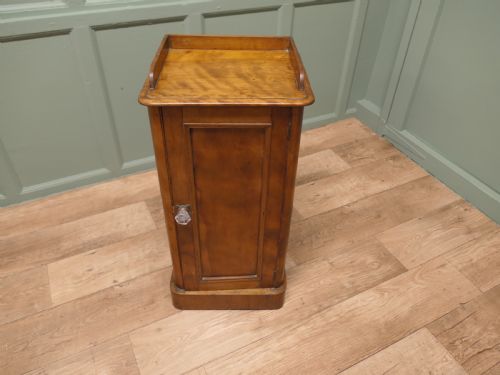
A victorian night cabinet serves as a bedside cupboard, pot cupboard or night stand, designed to hold chamber pots and personal items beside the bed. You will frequently find single pieces or matched pairs constructed during the nineteenth century, reflecting the domestic habits of the period.
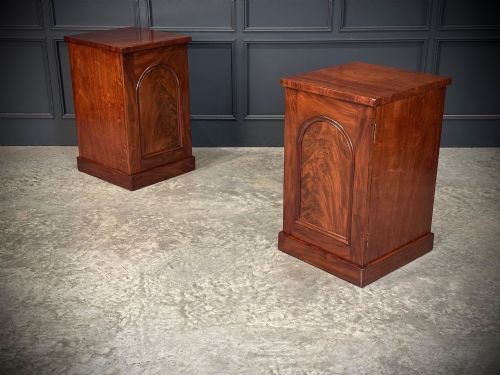
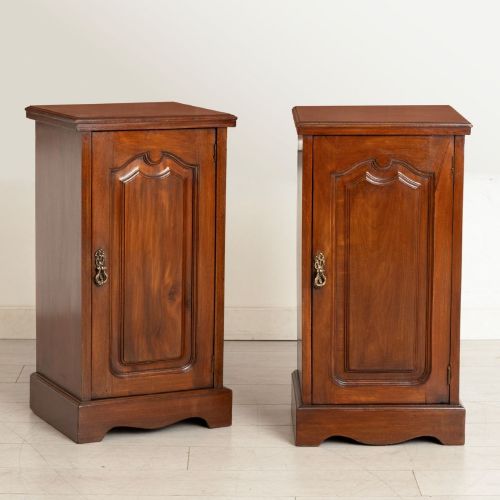
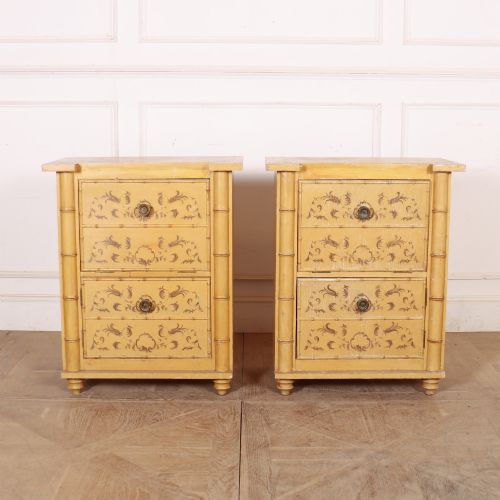
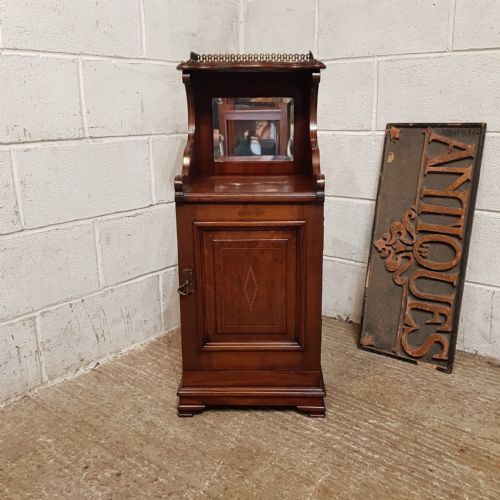
The forms range from enclosed bedside chests with panelled doors to open pedestal cabinets and tables. Mahogany remains the dominant timber across these designs, alongside alternative woods like walnut, pine, ash and satinwood.
Stylistic influences stretch from Georgian tradition through to French Revival, Aesthetic Movement, and Sheraton Revival variants. Many examples emerge from the latter half of the nineteenth century, carrying the hallmarks of Late Victorian cabinet making.
Construction and timber choice
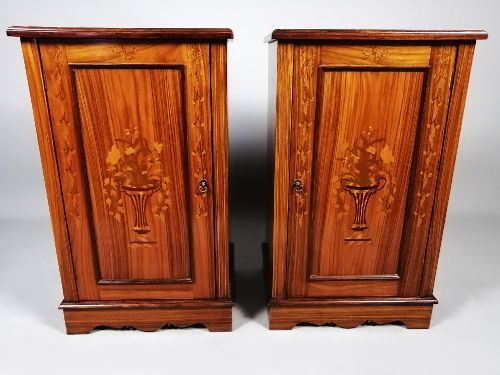
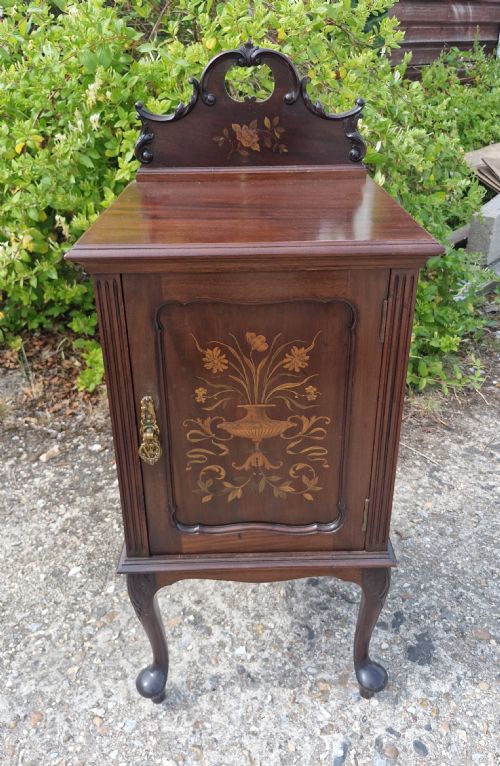
Cabinet makers utilised solid hardwoods like mahogany, walnut and oak, often enhancing surfaces with figured flame mahogany veneer or decorative marquetry inlay. Brass fittings appear on handles and hinges, while secondary timbers form internal shelves and drawer linings.
Joinery techniques involve traditional dovetailing for drawers and panelled construction for cupboard doors to accommodate timber movement. Selected pieces incorporate contrasting woods such as satinwood or exotic hardwoods for stringing and panel borders.
Night porters lined key cupboards with baize to muffle the sound of heavy metal keys dropped during late-night returns.
Judging cabinet craftsmanship
The standard of timber selection largely dictates quality, separating simple pine or utilitarian pieces from finely figured flame mahogany or rosewood models. Superior examples display crisp marquetry, precise inlay work, and well-matched veneer grains across the doors and top surfaces.
Construction details distinguish workshop output, with hand-cut dovetails, substantial brass hardware, and secondary linings showing the maker's hand. Cabinets bearing maker signatures or stamps reflect higher workshop provenance and careful detailing.
Howard & Sons·Holland & Sons·Gillow & Co·Edwards & Roberts
The Victorian Night Cabinet Glossary
- Pot cupboard
- A small enclosed bedside cabinet originally built to house a chamber pot behind a single door. These pieces often feature an internal shelf and a panelled front.
- Marquetry
- The art of applying decorative veneer pieces in wood to form intricate pictorial or geometric patterns on the surface. This technique appears on late nineteenth-century export and domestic furniture.
- Flame mahogany
- A veneer cut from the branch junction of the mahogany tree, producing a distinctive flickering flame pattern. Cabinet makers prized this wood for high-status furniture fronts.
- Faux bamboo
- A decorative turning technique on wood that imitates the segmented stalks of natural bamboo. This style gained popularity during the Aesthetic Movement.
- Pedestal cabinet
- A freestanding vertical storage unit with a single door enclosing a compartment. These stand beside beds or serve as small side tables.
Victorian Night Cabinet: Frequently Asked Questions
What is a Victorian night cabinet used for?
These cabinets served primarily beside the bed to store a chamber pot and personal bedroom necessities out of sight. They provided a closed cupboard space along with a flat top surface for a candle or lamp.
Today, they function well as compact bedside tables or lamp tables. The interior shelving accommodates modern bedside books and small accessories.
How do I spot a genuine Victorian piece?
Examine the timber species, secondary woods, and construction methods used inside the cabinet and on the drawer linings. Nineteenth-century pieces typically feature hand-sawn boards and traditional joinery rather than modern fixings.
Check for period characteristics such as mahogany construction, brass hardware, and age-appropriate wear to the finish. Surviving labels or stamps from makers provide further confirmation of the era.
Are pairs common for bedside cabinets?
Matched pairs appear frequently among nineteenth-century bedroom furniture listings. Cabinet makers often produced double cabinets to furnish larger Victorian bedrooms symmetrically.
Finding a matching pair of nineteenth-century cupboards remains desirable for balanced bedroom placement. Single examples also occur regularly as standalone night stands.
How do I care for antique mahogany wood?
Keep wooden cabinets away from direct heat sources and strong sunlight to prevent the timber and veneers from drying out or fading. Dust gently with a soft cloth and avoid modern silicone sprays.
Applying a traditional beeswax polish occasionally maintains the lustre of the polished mahogany surface. Handle internal shelves and doors with care to preserve the original nineteenth-century fittings.