



Victorian Narrative Picture
Step inside a Victorian narrative picture, where canvas, panel and paper stage domestic drama, literary scenes and historical moments for the room.
Victorian Narrative Picture
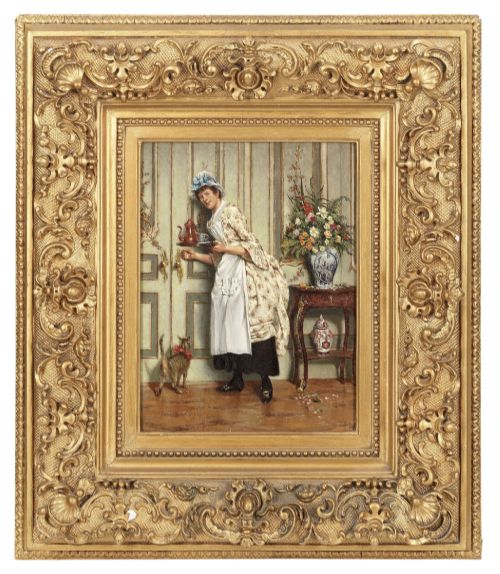
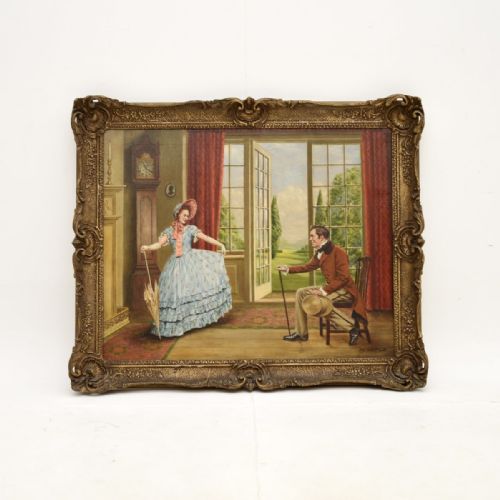
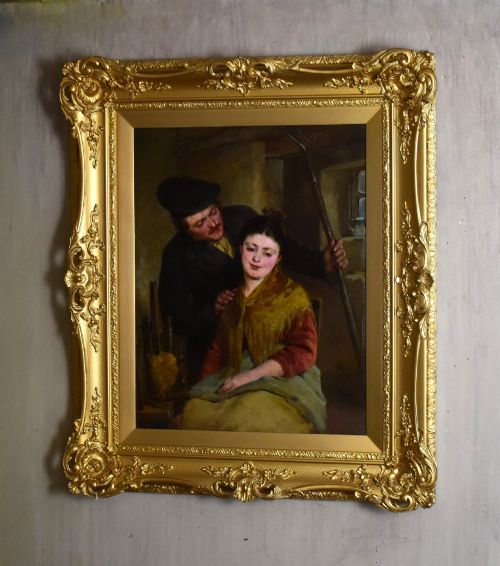
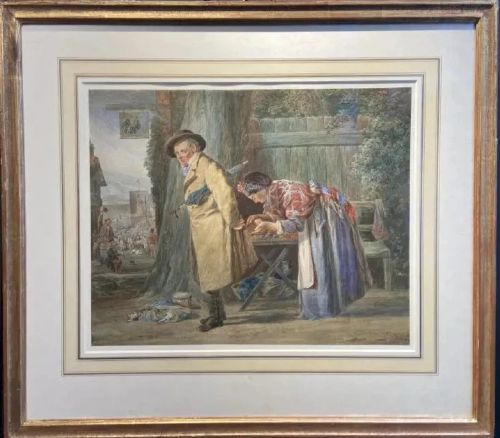
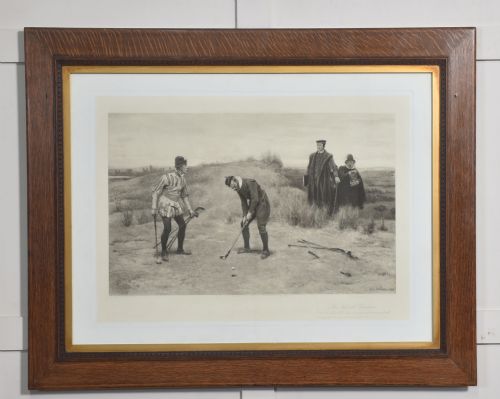
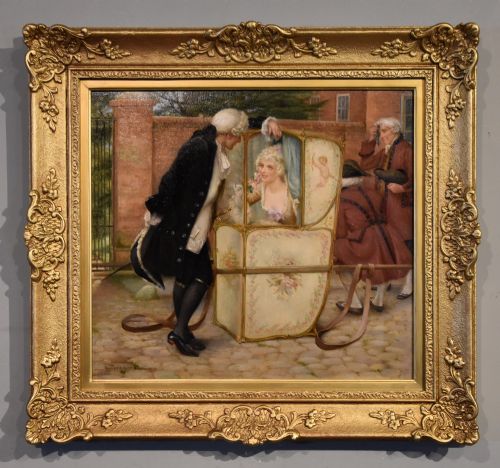
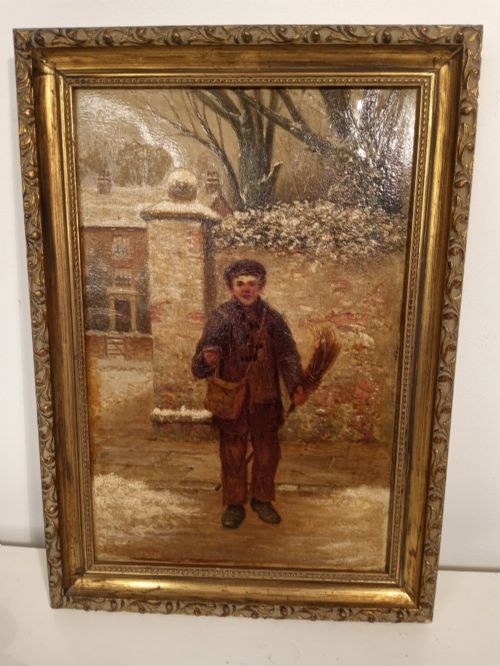
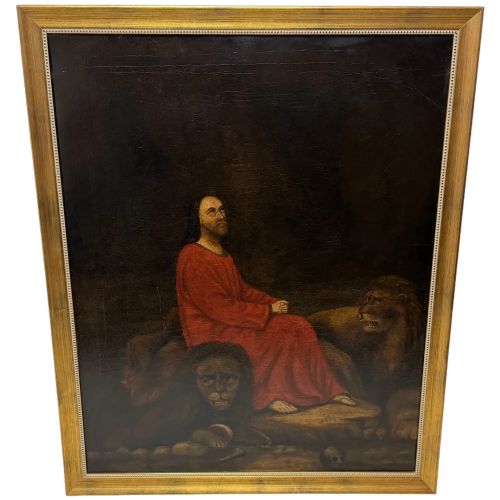
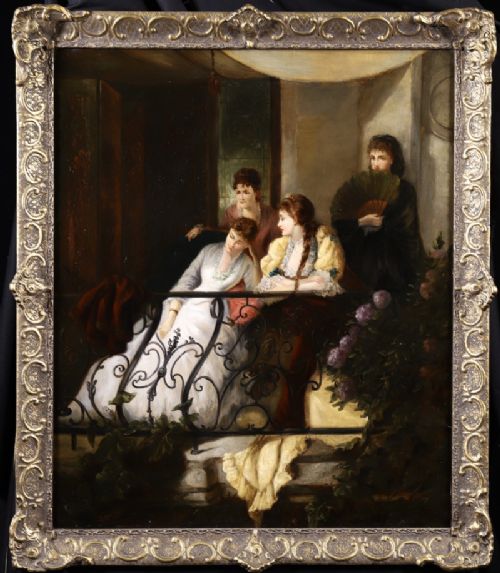
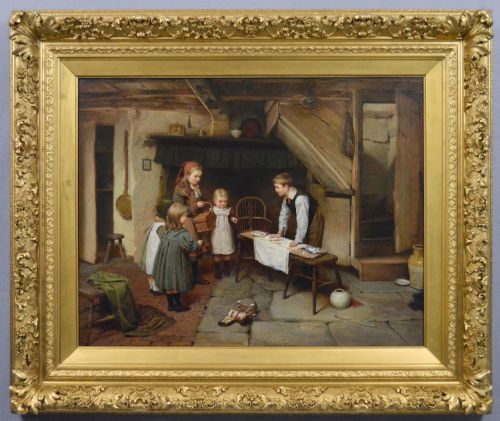
A victorian narrative picture tells a story through human action, drawing on literature, scripture, history or domestic life. The examples gathered here span oil paintings on canvas, watercolours, engravings and tapestries.
Most entries belong to the nineteenth century, ranging from Regency works to pieces created around nineteen twenty. These formats capture specific moments, such as tavern gatherings, literary characters or children at play.
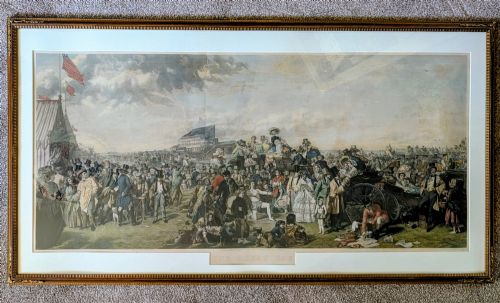
The assortment includes framed art, wall art and textile art alongside original paintings. Makers range from named artists working in British and continental studios to printmakers reproducing famous compositions.
How they were made
Makers built these works using oil on canvas, wood panels, paper and textiles, applying pigments to capture detailed expressions and costume. Etchings and engravings translated complex compositions onto paper plates for wider circulation.
Framing played an integral role in presentation, utilising wood, giltwood, gesso, burr maple and original Hogarth frames to house the canvas or print. Gold leaf accents often highlighted the inner margins of these protective surrounds.
Listings feature works spanning the nineteenth century, utilising canvas, paper, wood, glass and textiles.
What varies in quality
Quality rests in the handling of the narrative, where subtle expressions and intricate grouping elevate a painted canvas above a standard illustration. The precision of the brushwork or the clarity of the engraving dictates how successfully the story communicates its emotion.
Materials contribute significantly to distinction, seen in heavy oil layers, fine needlepoint tapestry work or richly carved frames. The preservation of the original surface and the fidelity of the secondary housing determine the piece's standing.
Stephen Samuel Lewin·William Powell Frith·Alfred Lyndon Grace·Howard Helmick·Joseph H Barnes·J C Dollman·Delapoer Downing·Harry Brooker·John Arthur Lomax·Charles Burton Barber·Edwin Hughes·John A Houston·Frank Hyde·Gilbert Scott Wright·John Henry Dell·John Masey Wright·Christoffel Bisschop·Walter Dendy Sadler·Edmund Alphonse Andre·George Cattermole·Abraham Cooper·Eugene Hindle·Francesco Bergamini·Charles Hunt Jnr·David Wilkie
The Victorian Narrative Picture Glossary
- Genre painting
- Art depicting scenes from everyday life, ordinary people, and domestic interiors rather than grand historical or mythological subjects.
- Engraving
- A printmaking technique where an image is incised into a metal plate, holding ink to transfer fine linear details onto paper.
- Gesso
- A plaster mixture applied to wood or canvas as a base for moulding decorative frames before gilding.
- Giltwood
- Wood carved and coated with gold leaf or gold paint, frequently used for nineteenth-century picture frames.
- Provenance
- The documented history of ownership surrounding an artwork, establishing its origin and authenticity.
Victorian Narrative Picture: Frequently Asked Questions
What defines a narrative picture?
These works tell a distinct story through the actions, expressions and relationships of human figures depicted within a single scene. They draw directly from literature, historical events, biblical texts or recognizable domestic moments.
Viewers are meant to read the canvas like a book page, interpreting the moral or emotional weight of the unfolding drama.
How were these pictures displayed?
In nineteenth-century homes, these works hung in public rooms like drawing rooms and dining parlours where guests could discuss the moral or literary plot. They acted as conversational centerpieces that reflected the owner's cultural literacy and taste.
Heavy wooden and giltwood frames ensured the pieces commanded attention against patterned wallpaper.
Are prints considered original art?
Engravings and etchings produced after famous paintings were standard methods of art distribution during the Victorian era. While reproduced mechanically, period prints signed by makers or issued in limited runs held substantial artistic value.
They allowed middle-class homes to display copies of major gallery narratives.
How do I care for these materials?
Canvas paintings and paper prints require stable indoor humidity away from direct sunlight to prevent fading and cracking. Dust should be removed gently from the surface without applying moisture or household cleaners.
Original frames benefit from occasional dry dusting along their carved gesso details.