
Victorian Mirrored Hall Tree
A victorian mirrored hall tree welcomes visitors with a combination of practical storage and decorative glass.
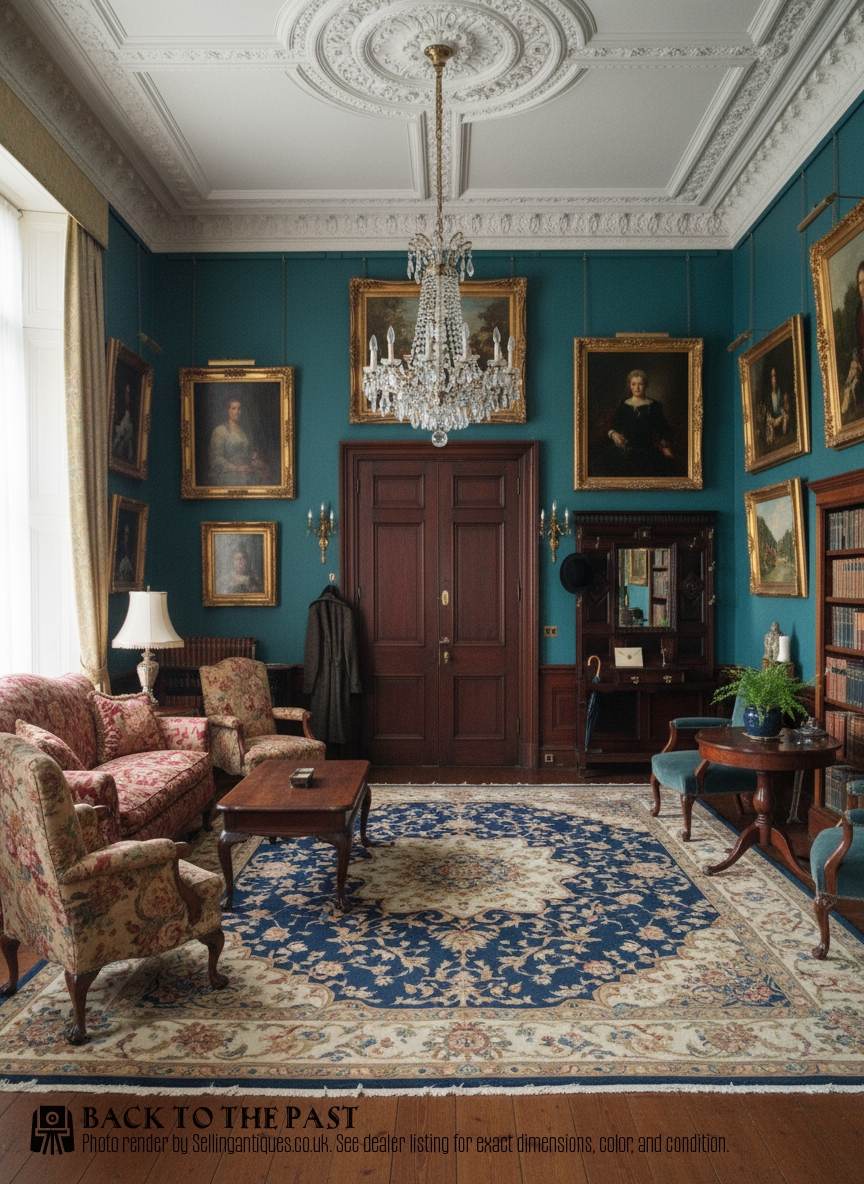
Victorian Mirrored Hall Tree
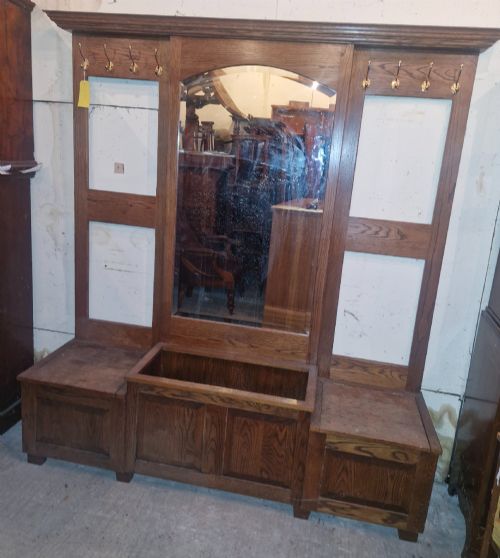
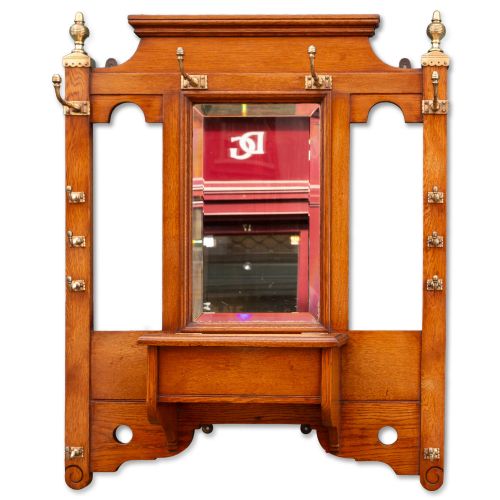
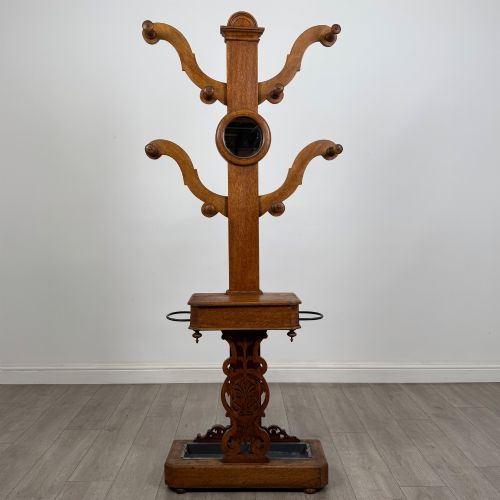
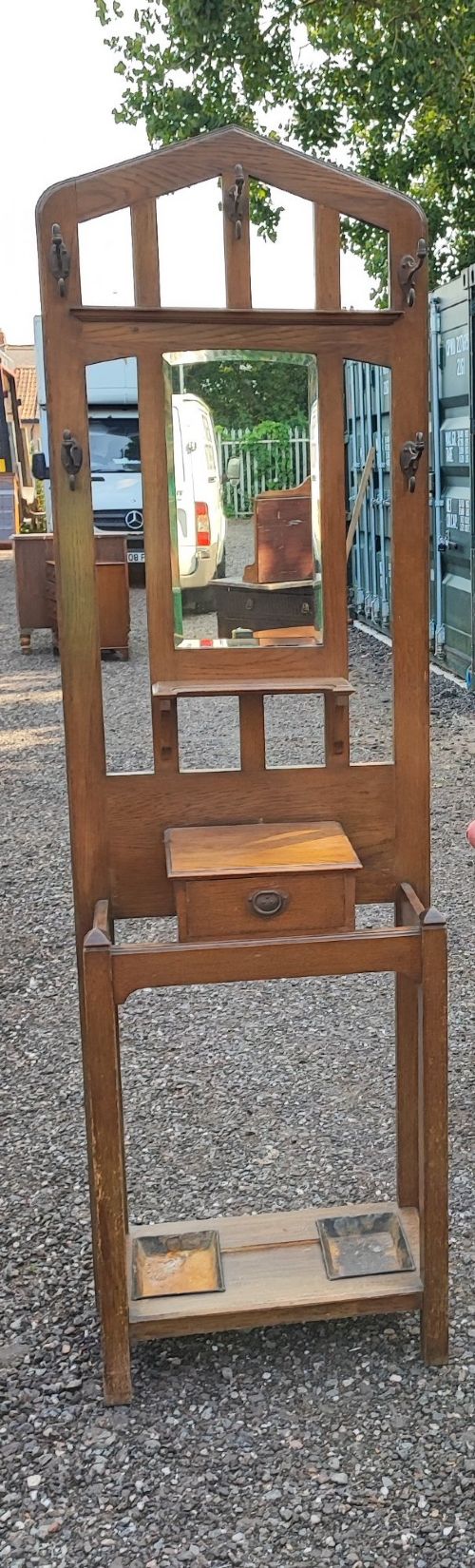
A victorian mirrored hall tree serves as a grand entranceway piece designed for hanging coats, storing hats, and checking appearances before leaving the house. The listings show that these pieces frequently incorporate central mirrors alongside hooks and umbrella wells.
Most examples found in this collection date from the nineteenth century, including specific periods like the Victorian and Edwardian eras. Buyers will encounter robust wooden structures as well as lighter bamboo frames.
The forms range from compact wall-mounted racks to massive carved oak and mahogany furniture pieces with built-in seats. Common alternative terms in the inventory include hall stands and coat stands.
Materials and Construction Methods
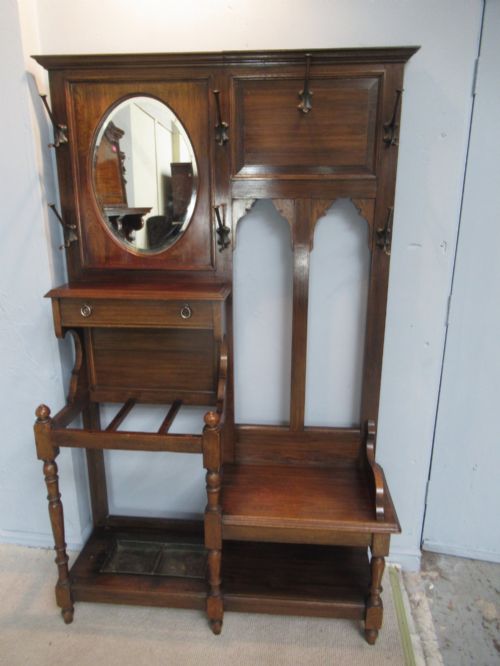
Makers utilised solid timbers such as oak, mahogany, pine, and walnut to build the primary framework of these items. Cabinetmakers often integrated carved details, panels, and applied mouldings into the wooden bodies.
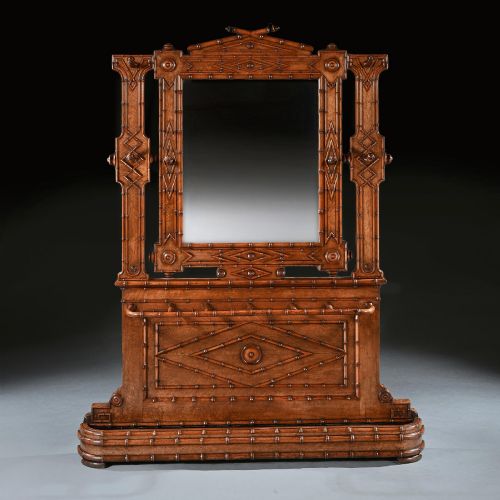
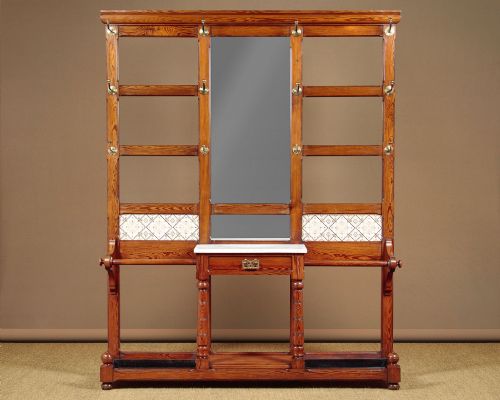
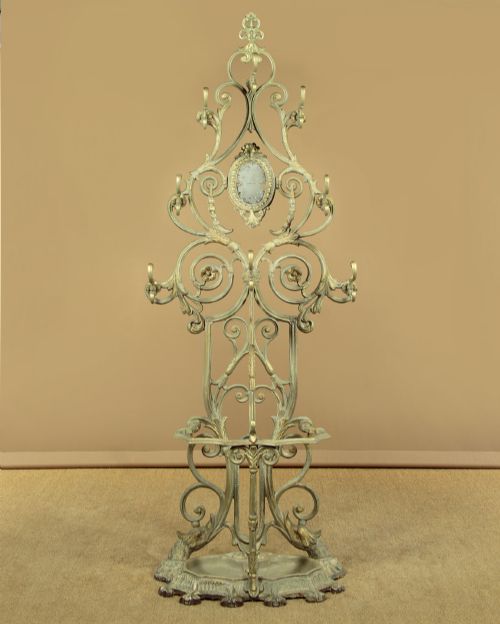
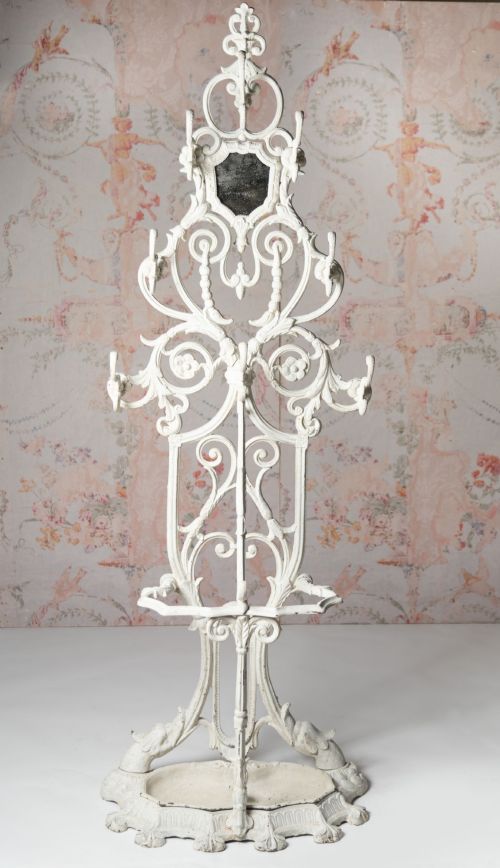
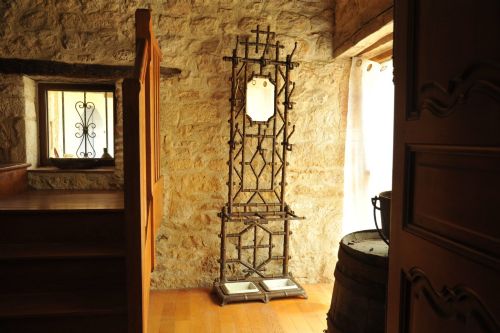
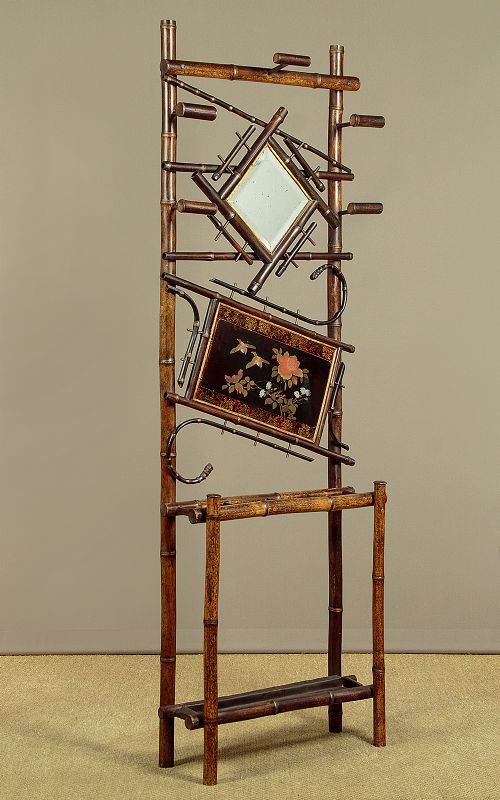
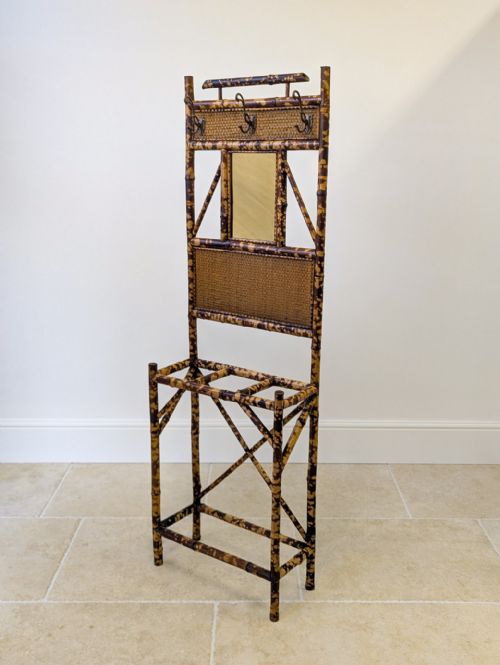
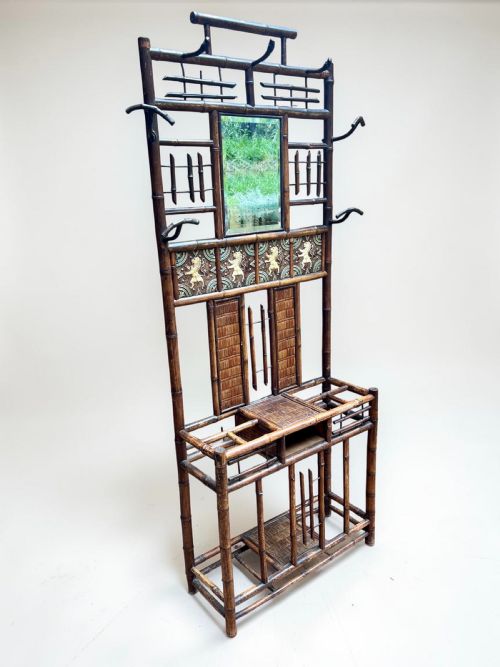
Metal components appear frequently, including brass hooks, cast iron frames, and mirrored glass panels inserted into the backboards. Some specialised pieces employ bamboo or faux bamboo construction to achieve an exotic aesthetic style.
Listings demonstrate that oak, mahogany, and bamboo are the primary structural materials used across these Victorian and Edwardian hall furnishings.
Assessing Craftsmanship and Design
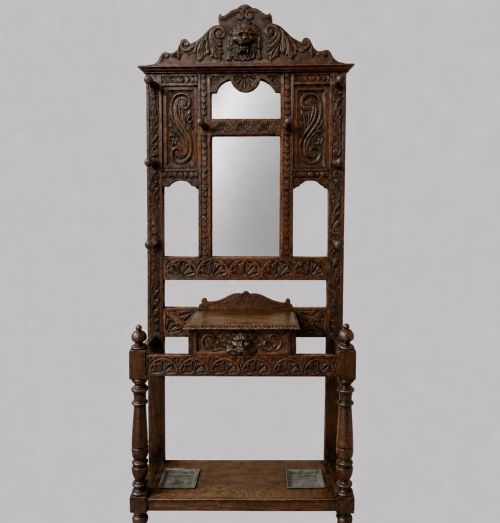
The distinction between standard examples and finer pieces often lies in the depth and complexity of the carving, such as elaborate foliate motifs or figural carvings like Green Man masks. Superior items generally feature more substantial timbers like figured mahogany or golden oak rather than plain pine.
Design ambition separates basic utility stands from sophisticated expressions of the Aesthetic Movement, Arts and Crafts style, or Gothic Revival. The quality of the original glass mirror and the integration of marble shelves or cast umbrella drip pans also indicate higher workshop standards.
Coalbrookdale
The Victorian Mirrored Hall Tree Glossary
- Hall Stand
- A piece of furniture designed for an entrance hall to hold outdoor garments, hats, and walking accessories. It usually incorporates a mirror and hooks.
- Faux Bamboo
- Timber turned and painted to resemble natural bamboo stems. This technique was popular during the late nineteenth century for exotic furniture styles.
- Aesthetic Movement
- A late nineteenth-century design style focusing on art for art's sake. It often drew inspiration from Japanese art and utilised bamboo or ebonised wood.
- Coalbrookdale
- A famous ironworks known for ornate cast iron production. Pieces associated with this foundry feature intricate metalwork designs.
- Marble Shelf
- A stone surface integrated into the lower section of a hall stand. It provides a durable platform for small items like keys or visiting cards.
Victorian Mirrored Hall Tree: Frequently Asked Questions
What is a victorian mirrored hall tree?
A victorian mirrored hall tree is a large hallway furniture item combining coat hooks, a mirror, umbrella storage, and sometimes a seat or marble shelf. These pieces were designed to keep entranceways tidy while offering a place to check attire.
They emerged as essential hallway furniture during the nineteenth century, reflecting the domestic habits and interior design tastes of the Victorian period.
How were these hall pieces used?
Households used these furnishings to store outdoor wear such as coats, hats, scarves, and walking canes. The integrated mirror allowed people to adjust their appearance before heading out.
Lower sections often included metal trays or wells specifically to catch rainwater from wet umbrellas and walking sticks.
How do I fit one in a hallway?
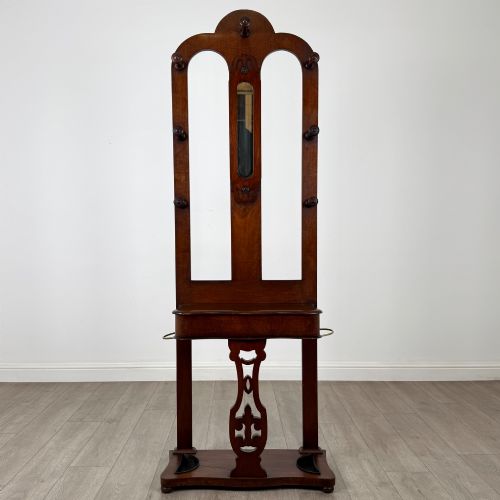
Selecting a hall tree requires measuring both available floor space and ceiling height, as many period examples are remarkably tall and imposing. Narrower configurations and bamboo models suit compact entranceways better than massive carved oak designs.
Positioning the piece near the main entrance ensures practical daily use while making a strong visual statement upon entering the home.
How do I tell periods apart?
Identifying the era involves examining the primary materials, decorative motifs, and overall style characteristics. Heavy carved oak with Gothic or Renaissance revival details typically points to the mid to late Victorian period.
Lighter bamboo structures often reflect late nineteenth-century Aesthetic Movement or Japonisme tastes, while simpler oak frameworks frequently align with Edwardian or Arts and Crafts sensibilities.