


Antique Coat Hook Stand
An antique coat hook stand organises an entrance hall with solid timber and metal hardware.
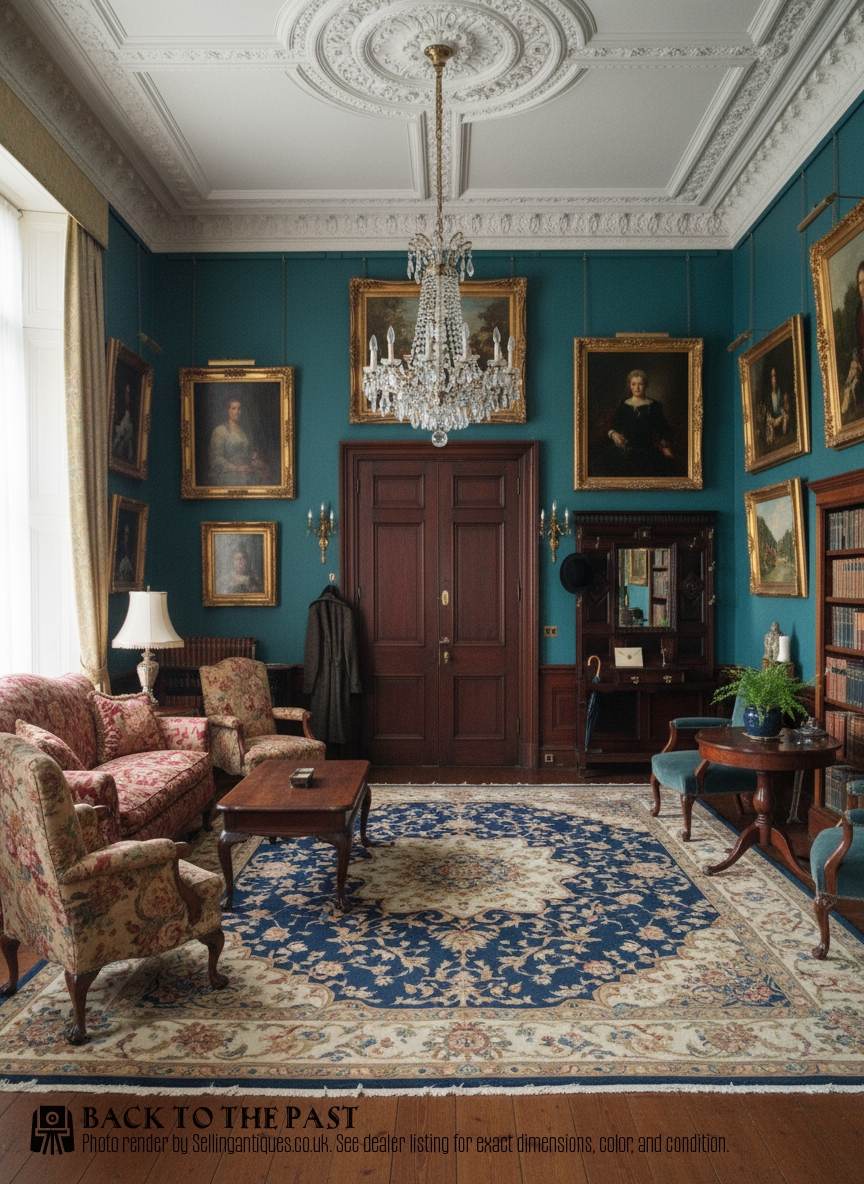
Antique Coat Hook Stand
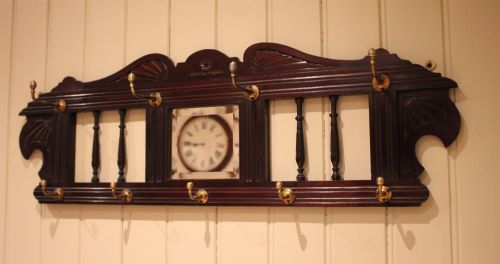
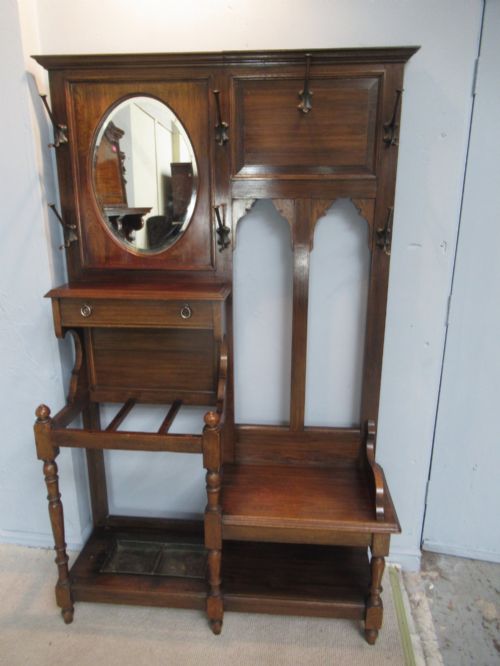
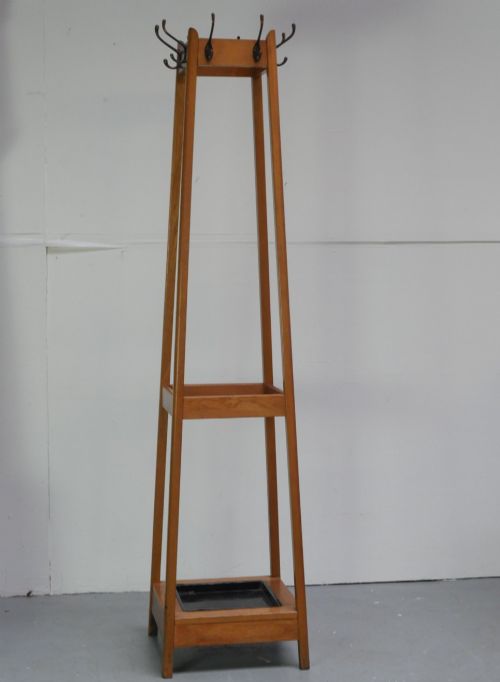
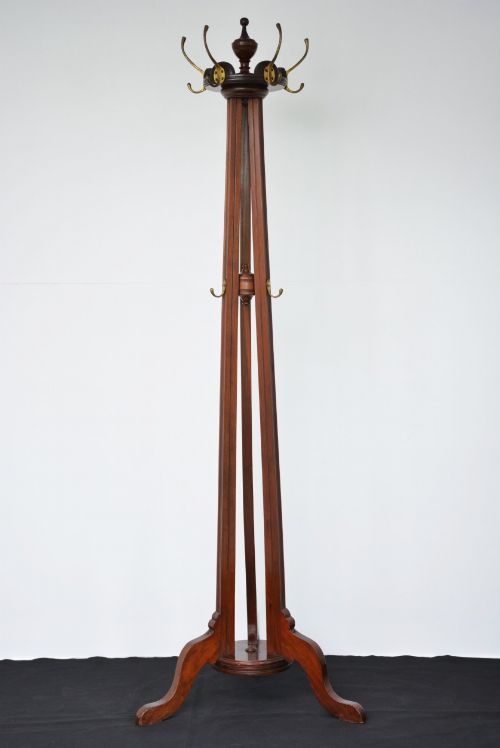
An antique coat hook stand serves as a functional piece of hall furniture designed to hold garments, hats, and umbrellas. Buyers seeking this phrase encounter wall-mounted racks alongside large freestanding hall trees from the Victorian and Edwardian eras.
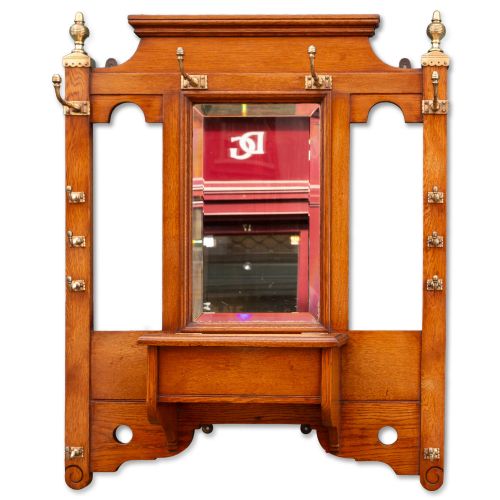
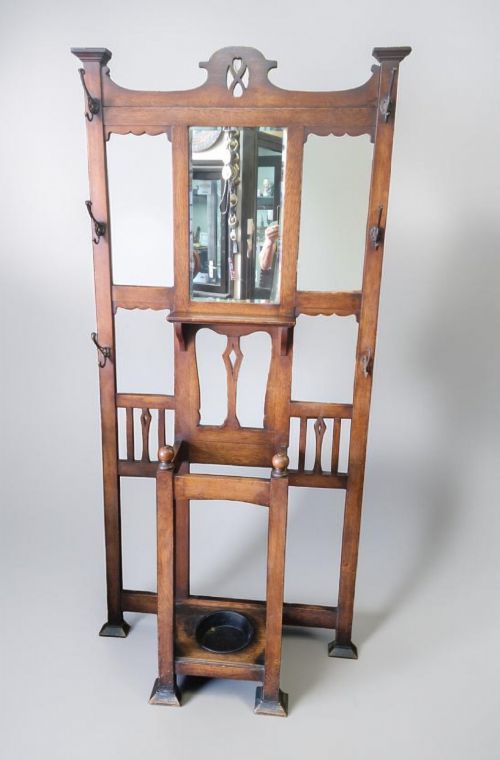
The materials span oak, mahogany, walnut, and mixed woods, frequently incorporating brass or iron hooks. Many examples include integrated mirrors and umbrella stands.
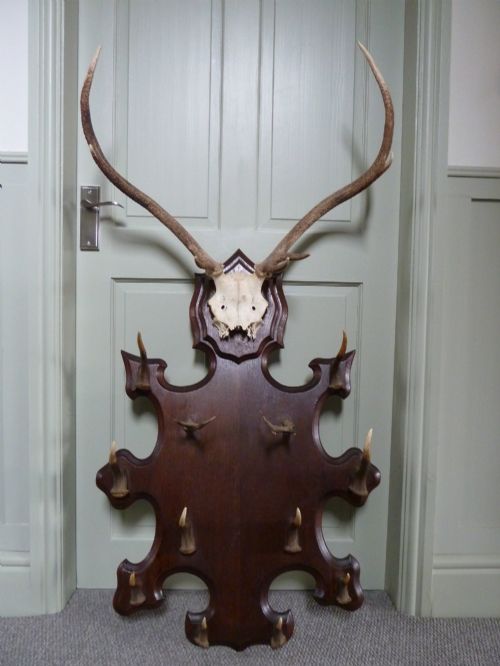
The styles range from plain country house items to carved Black Forest animal motifs and geometric Arts and Crafts designs.
How they were made
Cabinetmakers utilised hardwoods such as oak, mahogany, walnut, and teak, jointed with traditional methods to withstand daily weight. Wall racks and floor-standing hall trees relied on sturdy timber foundations to anchor multiple metal hooks.
Hardware additions included cast brass and iron hooks, paired with bevelled mirror plates and occasional ceramic tiles. Wood carving, particularly in Black Forest pieces, employed linden wood and natural horn or antlers.
What varies in quality
The standard of construction depends on the weight of the timber and the solidity of the hook mountings. Pieces built with solid walnut or oak maintain structural integrity better than lighter assemblies.
Artisanal detail distinguishes simpler items from finer examples. Hand-carved ornamentation, original bevelled mirror plates, and substantial brass hardware elevate the character of the piece.
Jas. Shoolbred·Ellen E. Houghton of Minton
The Antique Coat Hook Stand Glossary
- Hall stand
- A piece of entrance furniture combining coat hooks, a mirror, and umbrella storage. These items often integrate a small glove drawer or shelf.
- Portmanteau
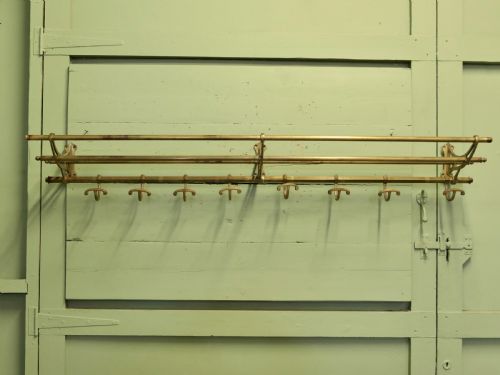
- A wall-mounted or freestanding rack designed for hats and coats. They frequently incorporate brass brackets and shelving.
- Black Forest
- A regional style of wood carving originating from central Europe, known for naturalistic animal subjects. Pieces commonly utilise deer antlers, horns, and linden wood.
- Hall tree
- A tall freestanding wooden stand fitted with coat hooks and umbrella compartments. They anchor the hallway space in larger period properties.
- Bentwood
- Wood steamed and bent into curved structural forms. This technique appears on lighter umbrella and coat stands from the late nineteenth century.
Antique Coat Hook Stand: Frequently Asked Questions
Where should I place a coat stand?
These pieces suit entrance halls, boot rooms, and reception corridors where outerwear accumulates. Freestanding versions require sufficient floor space near an entryway.
Wall-mounted racks fit narrower passages where floor area is restricted. Ensure the supporting wall can bear the combined weight of the timber and heavy coats.
How do I care for antique wood?
Apply a traditional beeswax polish occasionally to nourish dry timber and maintain a soft sheen. Avoid placing wooden stands near direct heat sources or damp exterior doors.
Clean brass hooks with a dry cloth to preserve their patina. Avoid harsh chemical cleaners on both the wood and the metal hardware.
Are all these stands freestanding?
The selection includes both freestanding hall trees and wall-mounted coat racks. Freestanding items often incorporate umbrella wells and mirrored panels.
Wall-mounted versions range from simple timber planks with brass hooks to elaborate mirrored frames with display shelves.
What periods do these pieces come from?
The inventory spans the nineteenth and early twentieth centuries. Victorian and Edwardian examples predominate alongside Arts and Crafts and Art Deco designs.
Black Forest and French bistro styles also appear among the listed variations. Each period introduces distinct carving styles and hardware choices.