



Victorian Mirror with Drawers
A victorian mirror with drawers brings together a functional glass and handy storage for daily grooming.
Victorian Mirror with Drawers
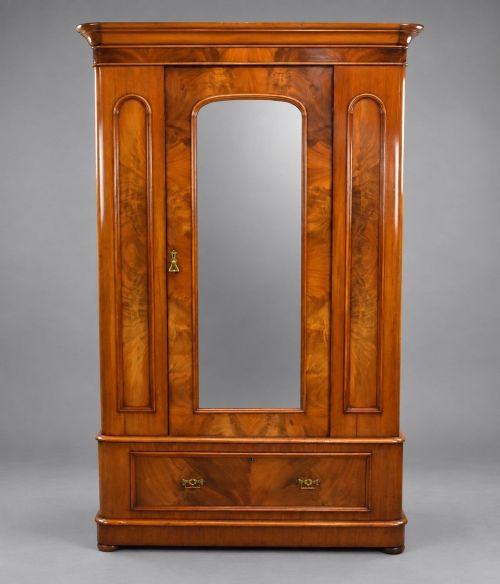
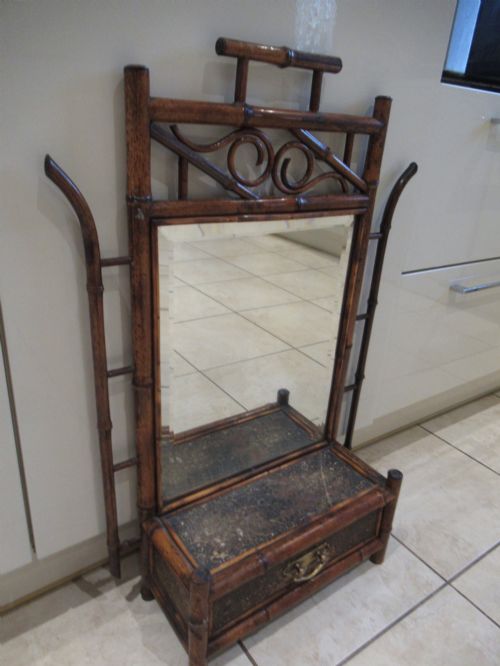
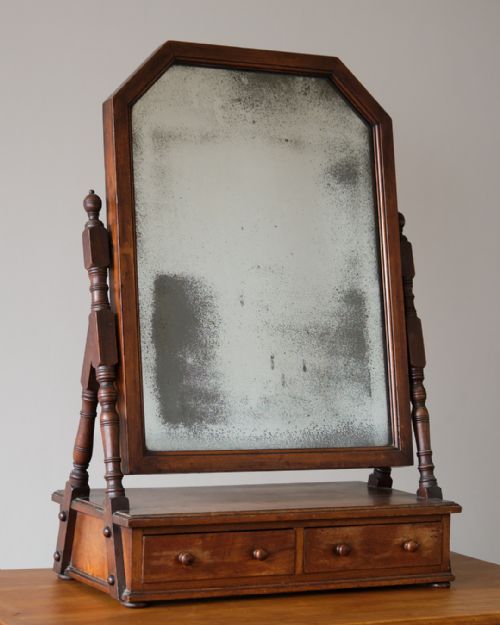
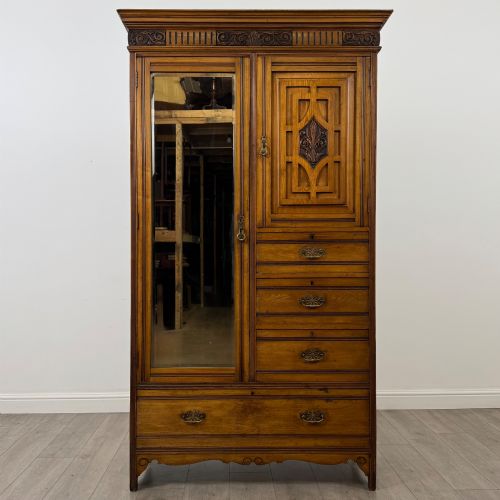
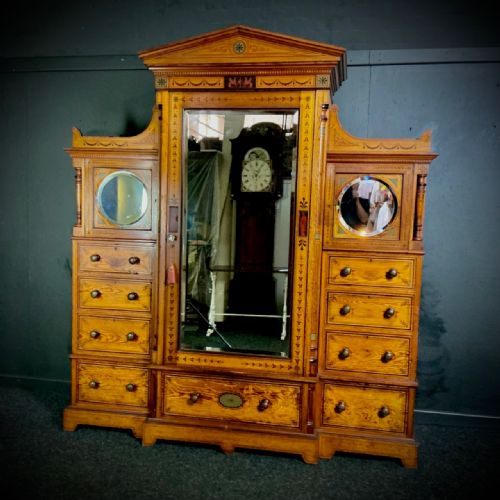
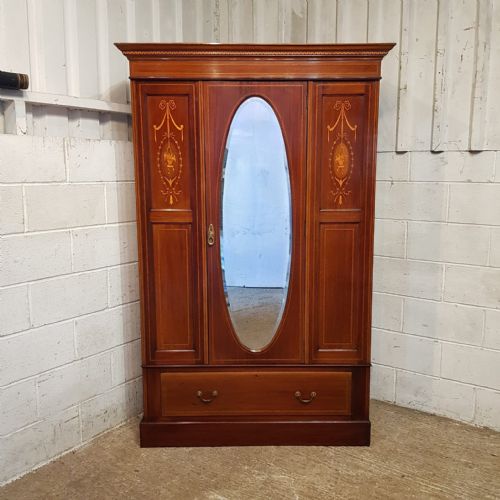
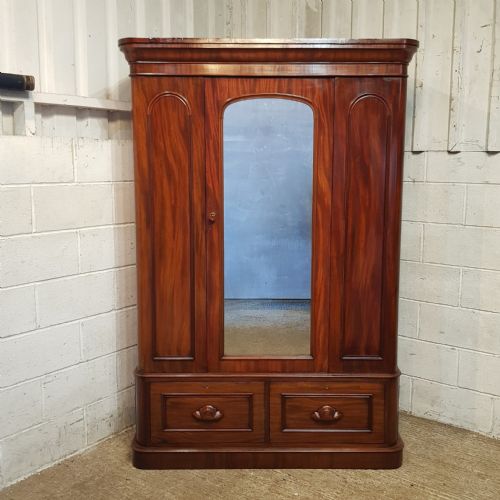
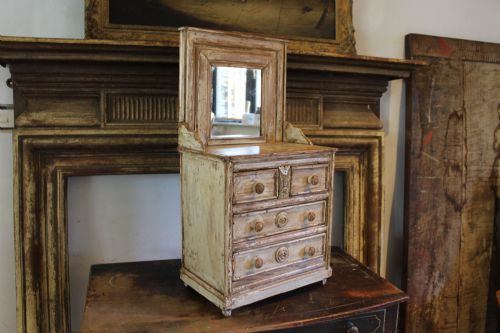
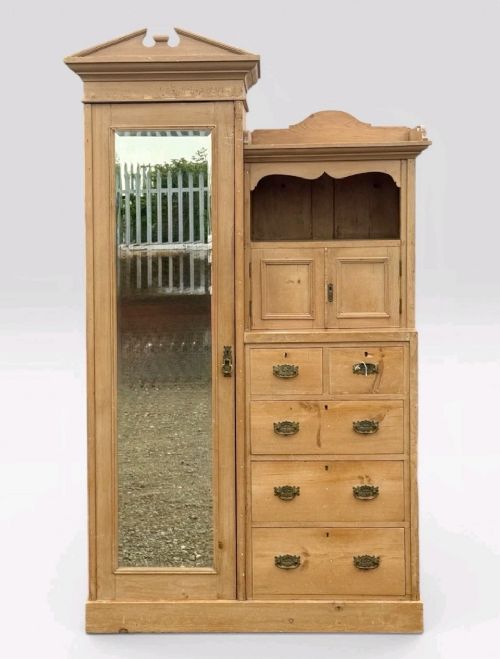
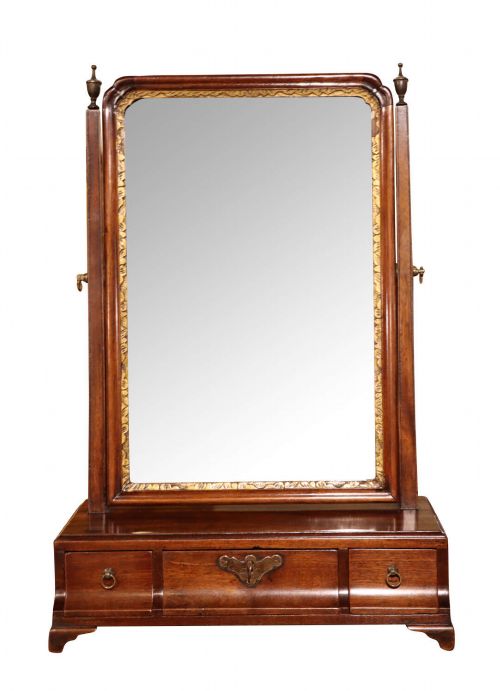
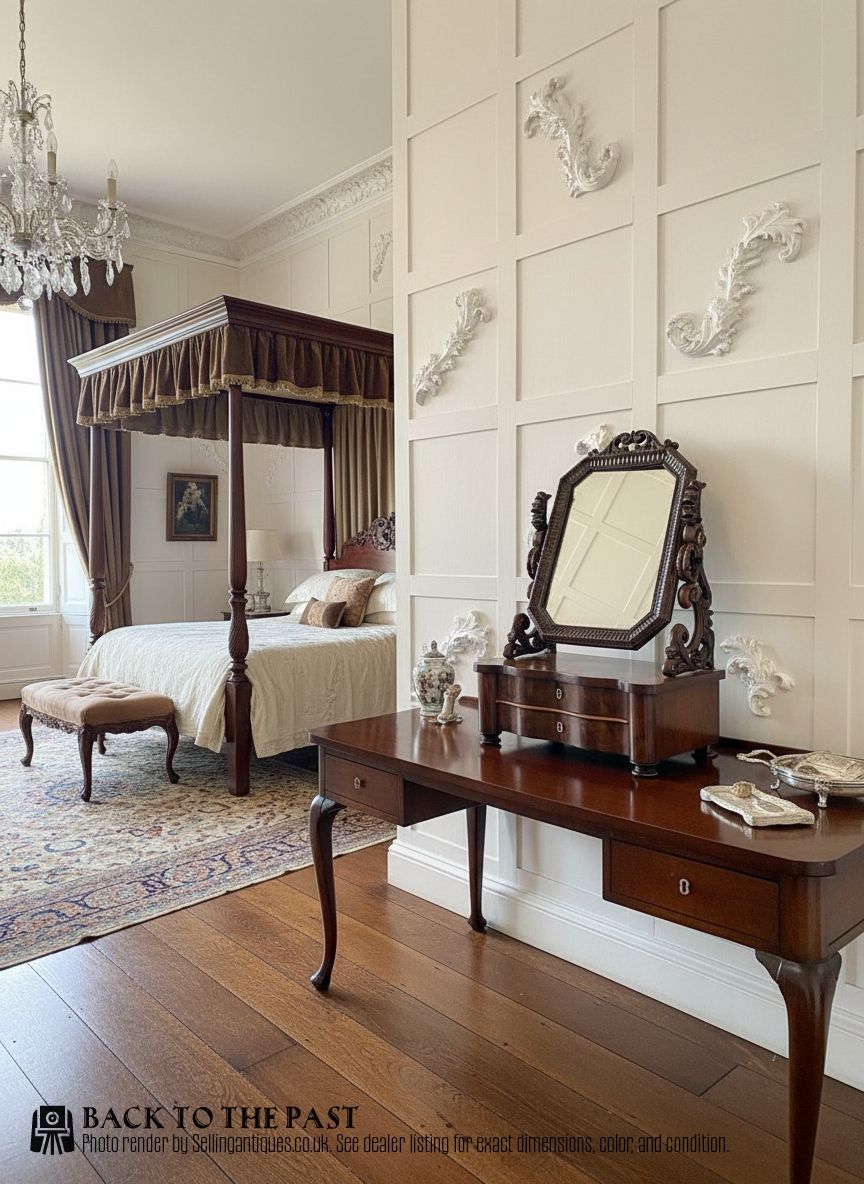
A victorian mirror with drawers typically appears as a tabletop swing glass mounted on a small base containing compartments, or as a larger dressing chest where a mirror sits above a set of timber drawers. These pieces served the bedroom and dressing room for grooming and storing small personal items.
The versions most common in this selection range from compact swing mirrors with tiny trinket drawers to substantial mahogany and pine dressing chests featuring several full-width drawers beneath the glass. Occasional variations include bureau fitments and satinbirch frames designed for domestic utility.
What varies in quality
The distinction between standard domestic items and finer pieces rests on the selection of timber and the precision of the cabinet work. Figured veneers, well-chosen secondary woods, and crisp carving on the mirror supports elevate the status of a piece beyond plain utility.
Proportion and structural integrity also define the better examples, where drawers run smoothly within their housings and the pivoting mirror frame holds its position securely without sagging.
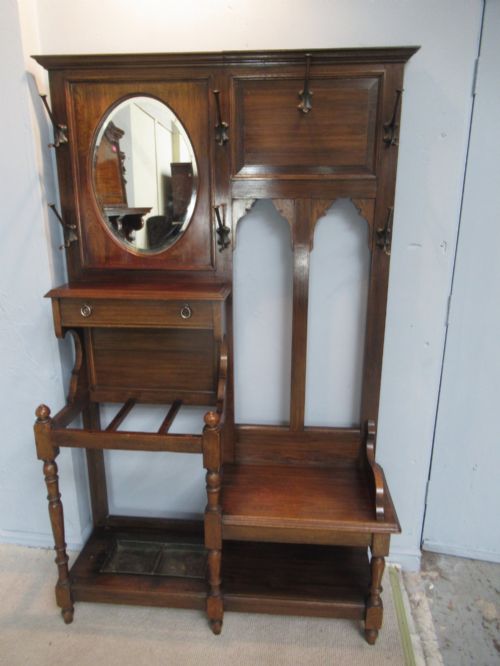
Mirror forms range from small tabletop swing glasses with bureau fitments to large dressing chests and compactum wardrobes.
Wright & Hunter of Belfast·Harris Lebus of London·Maple & Co.
The Victorian Mirror with Drawers Glossary
- Swing mirror
- A glass plate mounted on pivoted pins between two upright arms, allowing the user to tilt it forward or back. This mechanism is central to tabletop dressing mirrors.
- Dressing chest
- A lower chest of drawers with an attached mirror superstructure designed for the bedroom. It combines clothes storage with grooming facilities.
- Trinket drawers
- Small auxiliary drawers built into the base of a mirror stand or dressing table top. They held jewellery, pins, and small personal accessories.
- Burr walnut
- A prized timber veneer obtained from the gnarled growths of walnut trees. It displays swirling, organic patterns across the surface of the cabinet.
- Satinbirch
- A pale, lustrous wood veneer often utilised in late periods for bedroom furniture. It provides a bright alternative to darker mahoganies and walnuts.
Victorian Mirror with Drawers: Frequently Asked Questions
What is a victorian mirror with drawers used for?
These pieces provided a dedicated space for morning grooming and personal care in the bedroom. The integrated drawers kept small accessories, brushes, and trinkets close at hand.
Their tabletop and chest formats meant they could sit comfortably on top of existing furniture or stand independently as a complete dressing station.
How do I identify the wood used?
Examination of the grain patterns and colour helps distinguish between timbers like mahogany, walnut, and pine. Darker, straight or figured grains typically indicate mahogany or walnut.
Softer pine surfaces often show knot patterns and may be found painted or waxed, while exotic veneers present distinct swirling figures.
Can the mirror be removed from the base?
Many tabletop swing mirrors and dressing chests feature detachable mirror assemblies held by screws or wooden pins. This construction allowed easier transport between rooms.
Larger dressing chests with fixed superstructures keep the mirror permanently attached to the main body of the chest.
How do I care for the timber surface?
Regular dusting with a soft, dry cloth preserves the polished finish of mahogany, walnut, and oak surfaces. Avoiding direct sunlight prevents the wood and veneers from fading over time.
Periodic application of appropriate wax feeds the timber and maintains the natural lustre without building up heavy chemical residues.