



Victorian Miniature Jewellery Box
A victorian miniature jewellery box offers small-scale storage crafted with the precise joinery of full-sized furniture.
Victorian Miniature Jewellery Box
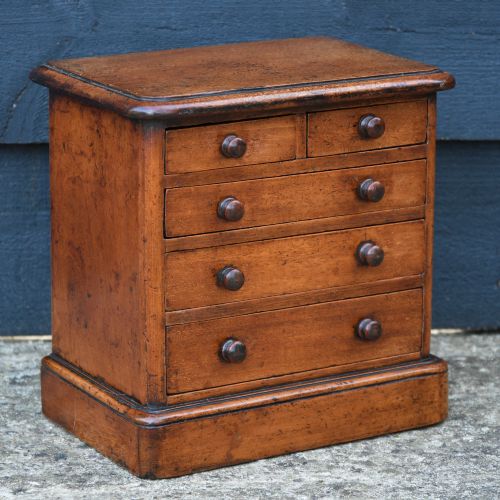
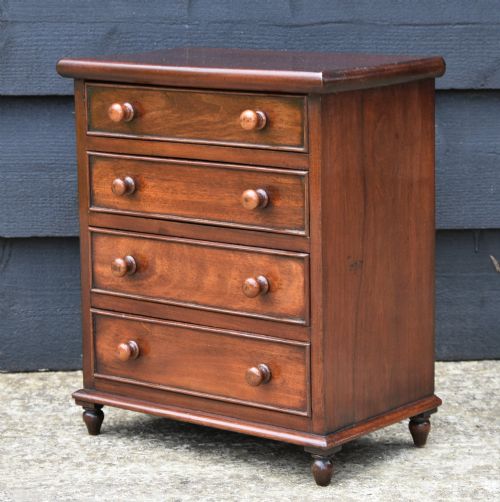
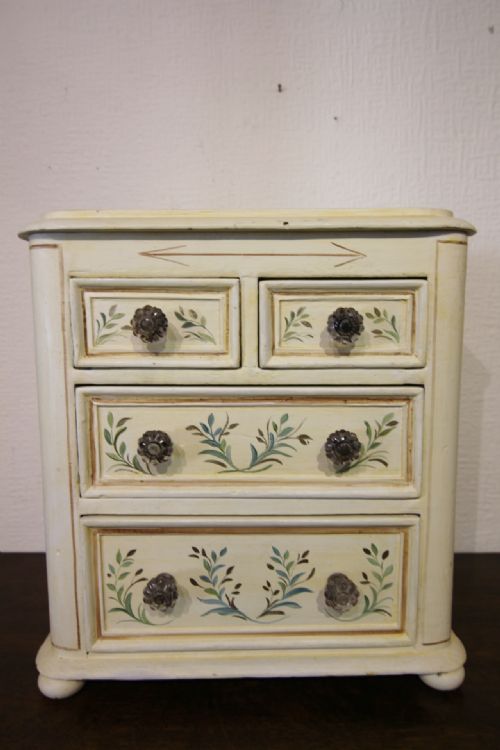
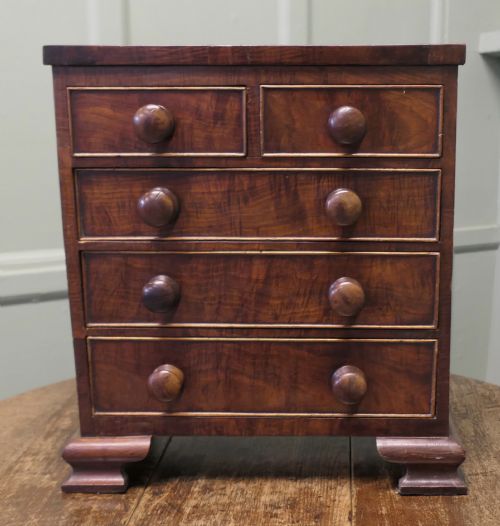
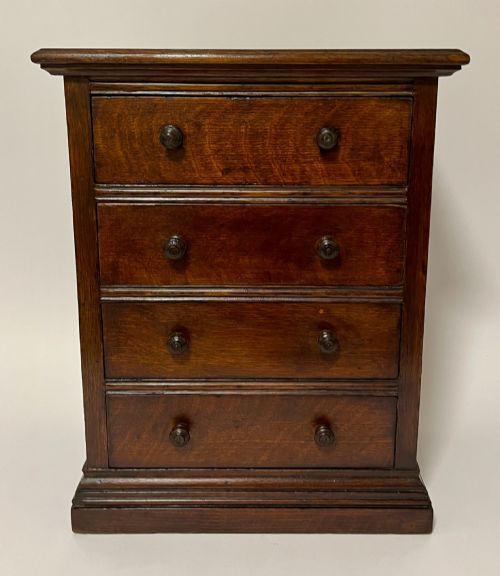
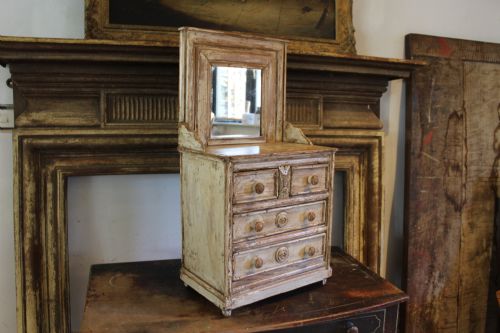
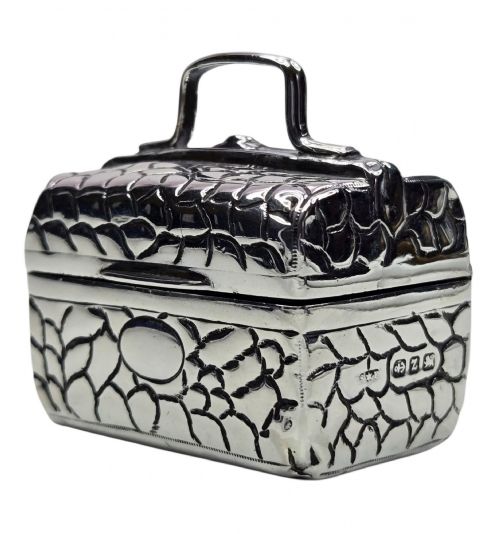
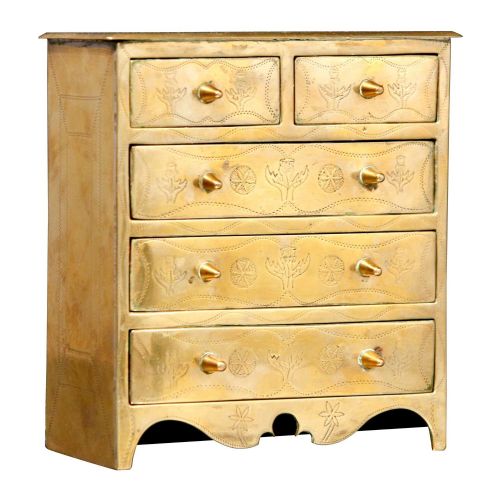
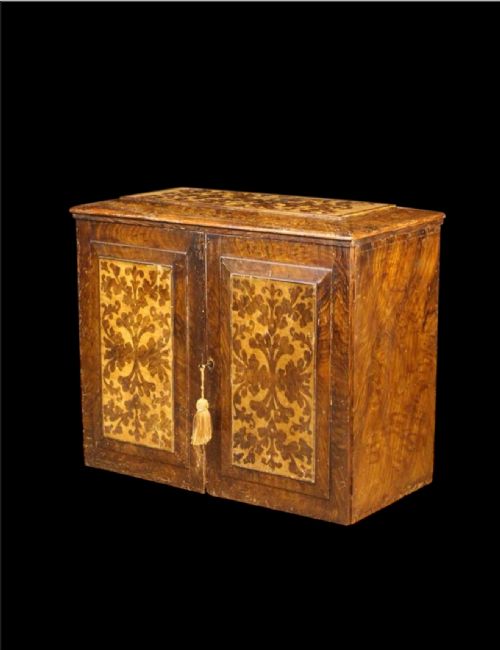
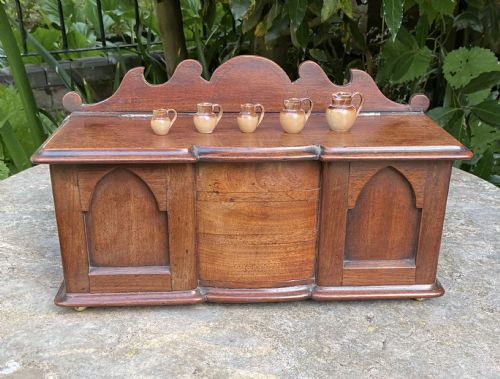
A victorian miniature jewellery box typically takes the form of a scaled-down chest of drawers, table cabinet, or specialised trinket box. These pieces serve to house small valuables and ornaments on a tabletop or dressing surface.
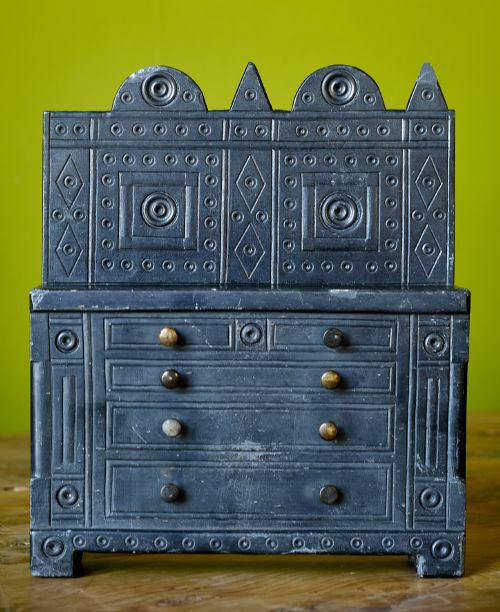
The selection on this page leans heavily toward nineteenth-century apprentice pieces and miniature chests executed in mahogany, walnut, and oak. Collectors also encounter French novelty items, campaign trunks, and regional folk art models.
Cabinet makers and skilled trainees created these items to demonstrate technical proficiency or to serve domestic needs in modest spaces. Their compact proportions make them practical for modern display without demanding significant floor space.
Materials and construction
Makers utilised dense hardwoods such as mahogany, walnut, burr walnut, and oak to construct the primary carcasses and drawer structures. These timbers provide the structural stability required for intricate miniature joinery.
Surface decoration frequently incorporates brass inlay, mother of pearl, carved slate, or painted details. Interior compartments often feature velvet or silk linings designed to protect delicate jewellery and trinkets.
The construction mirrors full-sized furniture techniques, including dovetail joints on drawers and hand-turned pulls. Artisans applied polished finishes that highlight the natural grain patterns of the wood.
Victorian Miniature Jewellery Box Retail Price Guide 2026
Typical asking prices for victorian miniature jewellery box among the pieces listed under this phrase on Sellingantiques today, from the lower quarter to the upper quarter. They describe what is for sale here now, not the wider market.
The listings on this page span the nineteenth century into the early twentieth century, featuring woods like mahogany, walnut, and oak alongside brass and glass.
Quality and execution
The distinction between ordinary and exceptional examples rests on the complexity of the internal configuration and the precision of the exterior finish. Pieces featuring secret drawers, curved bowfronts, or fine burr veneers demonstrate superior craftsmanship.
Material selection dictates much of the visual impact, with figured timbers and detailed brass engravings elevating a cabinet above plain softwood or basic constructions. The crispness of the carving and the smoothness of the drawer action separate masterworks from simpler workshop exercises.
The Victorian Miniature Jewellery Box Glossary
- Apprentice piece
- A small item of furniture created by a trainee to demonstrate mastery of a craft before admission to a guild. These objects typically replicate full-sized chests or cabinets in miniature proportions.
- Campaign trunk
- A portable storage box constructed for travel, featuring brass corners and recessed handles. Miniature versions adapt these military details for tabletop use.
- Bowfront
- A curved convex front profile found on certain miniature chests of drawers. This styling requires advanced woodworking skill to shape the timber and drawers accurately.
- Burr walnut
- Wood taken from a tree growth displaying intricate, swirling grain patterns. Cabinet makers prized this veneer for high-status jewellery boxes and tabletops.
- Compactum
- A multi-functional wardrobe or cabinet combining hanging space and drawers. Miniature variants pack these diverse storage options into a small tabletop footprint.
Victorian Miniature Jewellery Box: Frequently Asked Questions
What is an apprentice piece?
An apprentice piece is a miniature furniture item made by a trainee craftsman to prove skill to a guild. They often mirror standard domestic forms like chests of drawers.
These pieces allowed young workers to handle complex joinery on a small scale. Their survival provides modern collectors with finely detailed examples of period cabinetry.
How were miniature cabinets used?
Miniature cabinets served as desktop storage for small valuables, letters, and personal trinkets. They kept delicate items organised in domestic settings.
Their small footprint made them suitable for dressing tables and writing desks. Wealthy households often utilised them purely for display.
How do I date these pieces?
Dating relies on timber choice, construction methods, and decorative hardware styles. Mahogany and burr walnut are typical of nineteenth-century pieces.
Examine the drawer construction and dovetails for hand-cut marks. Comparing the form to full-sized furniture of the same era helps narrow the production period.
Where should I display them?
These boxes suit tabletops, sideboards, and dedicated display cabinets where their small scale remains visible. They pair well with other antique decorative objects.
Keep them away from direct sunlight and extreme humidity to protect the wood and interior linings. Stable indoor environments preserve the polished timber surfaces.