



Desktop Miniature Drawer Unit
A desktop miniature drawer unit brings compact, historic storage to a desk, offering clever organisation for small treasures.
Desktop Miniature Drawer Unit
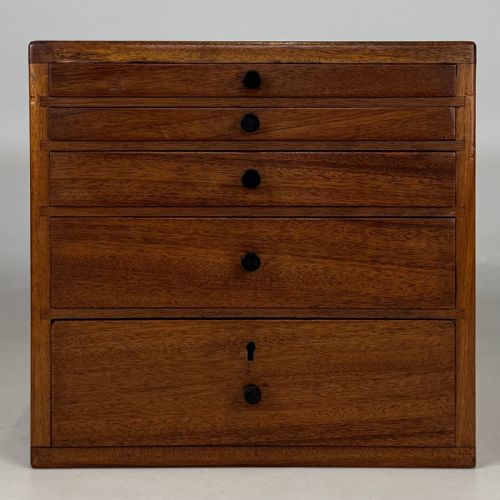
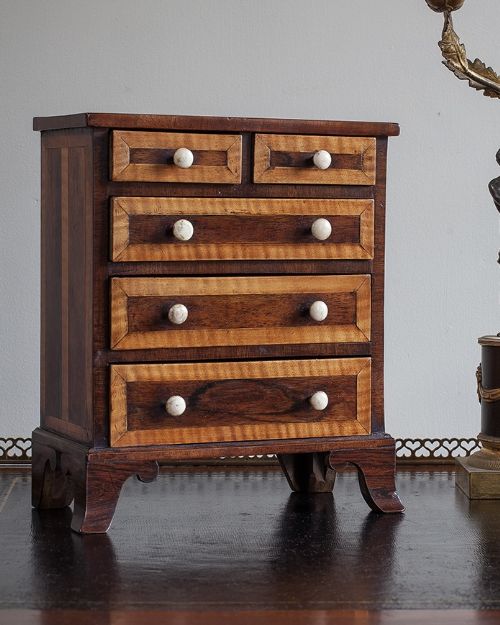
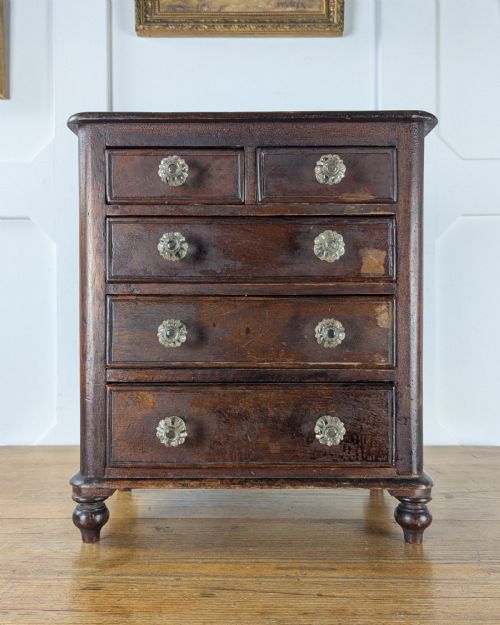
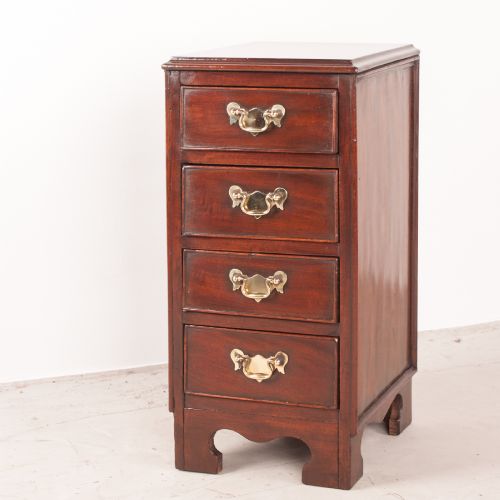
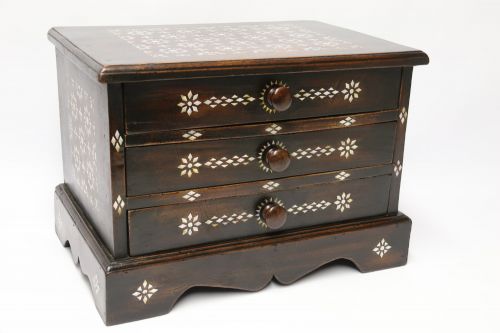
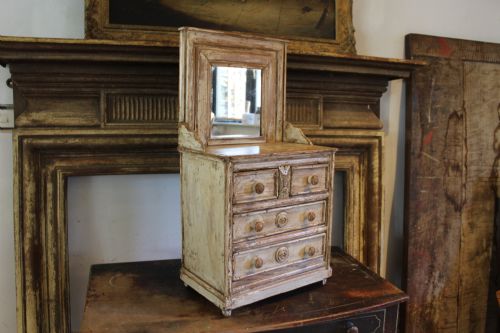
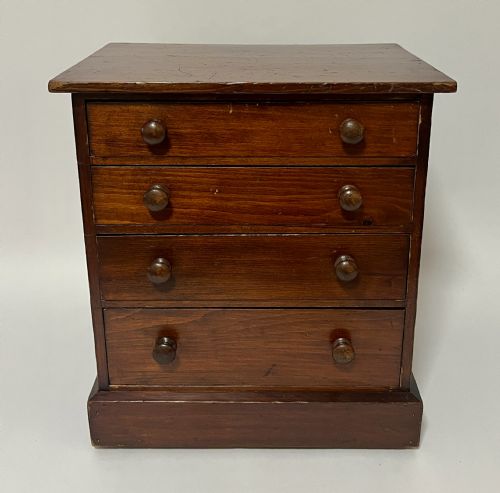
A desktop miniature drawer unit groups together compact storage pieces designed for small spaces and delicate contents. When exploring a desktop miniature drawer unit, buyers encounter formats like miniature chests of drawers, collector cabinets, and specimen cabinets.
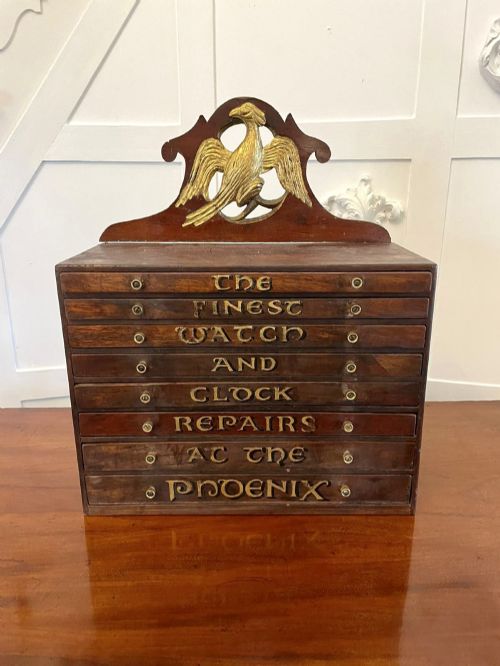
The selections span the Victorian era, nineteen-twentieth century, and nineteenth century. Forms range from apprentice pieces and watchmaker cabinets to trinket chests and jewellery storage.
Origins and influences visible across the pieces include English, Anglo-Indian, and French provincial traditions. These variations provide diverse proportions and internal layouts suited to tabletop placement.
How they were made
Construction relies on timber frames utilising mahogany, pine, satin walnut, hardwood, deal, and walnut. These woods provide the structural integrity required for small-scale drawer construction.
Metal and decorative elements incorporate brass hardware and glass panels where display is intended. Inlaid details and turned feet further distinguish the physical execution of the pieces.
Desktop Miniature Drawer Unit Retail Price Guide 2026
Typical asking prices for desktop miniature drawer unit among the pieces listed under this phrase on Sellingantiques today, from the lower quarter to the upper quarter. They describe what is for sale here now, not the wider market.
What varies in quality
Quality rests on the selection of timber and the precision of the joinery within the miniature drawers. Finer examples display careful timber matching, such as figured mahogany or satin walnut, alongside neat dovetail joints.
Hardware choice and decorative additions also signal quality. Solid brass pulls, glass viewing panels, and refined inlaid work elevate a piece above simpler stained pine or deal variants.
The Desktop Miniature Drawer Unit Glossary
- Apprentice piece
- A small-scale item made by a trainee to demonstrate mastery of cabinet-making skills. These often mirror full-sized furniture designs precisely.
- Specimen cabinet
- A small chest designed for housing natural history collections or small objects. They feature multiple shallow drawers for organised sorting.
- Watchmaker cabinet
- A specialised tabletop work chest used by horologists to keep tiny components secure. These units include numerous small drawers tailored for tiny parts.
- Dovetail
- A traditional interlocking joint used in drawer construction. This method provides strong corners that resist pulling apart over decades of use.
Desktop Miniature Drawer Unit: Frequently Asked Questions
What were miniature drawer units used for originally?
These small chests served multiple practical purposes in workshops, studies, and parlours. Watchmakers and collectors utilised them to organise tiny components, specimens, and precious trinkets.
Domestic users also kept them on dressing tables for jewellery or as apprentice showpieces. Their compact footprint allowed portable storage for items requiring careful sorting.
How do I date a Victorian desktop cabinet?
Dating relies on observing construction methods, timber choices, and hardware styles. Victorian pieces frequently employ solid mahogany, walnut, or pine with hand-cut joints.
Turned feet and brass pulls typical of the nineteenth century help confirm the period. Comparing the interior lining and carcass construction provides further chronological clues.
Where should I place a table cabinet at home?
These units suit placement on desks, sideboards, or console tables where their scale can be appreciated. Their shallow drawers provide ideal storage for modern desk accessories or small collections.
Positioning them away from direct sunlight protects the timber and any historic finishes. Ensure the supporting surface is level and stable for safe daily use.