

Victorian Miniature Cupboard
A victorian miniature cupboard offers a scale model of full-sized domestic storage, serving as a charming desktop or tabletop display piece.
Victorian Miniature Cupboard
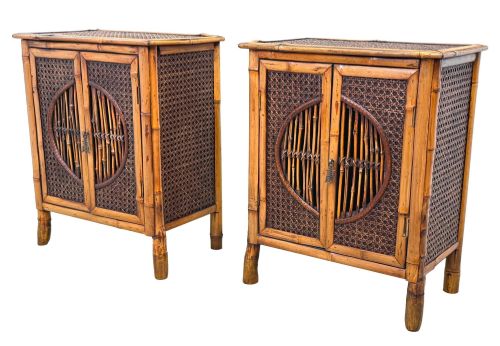
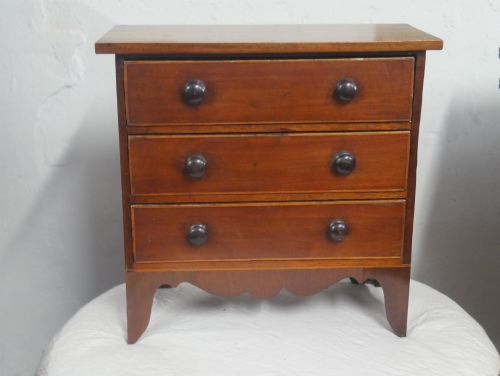
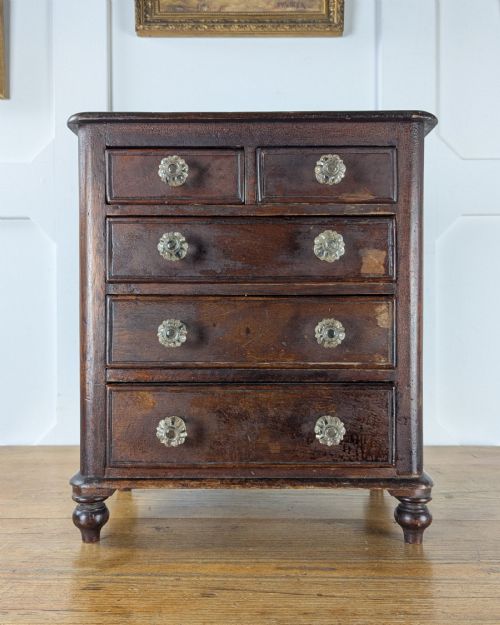
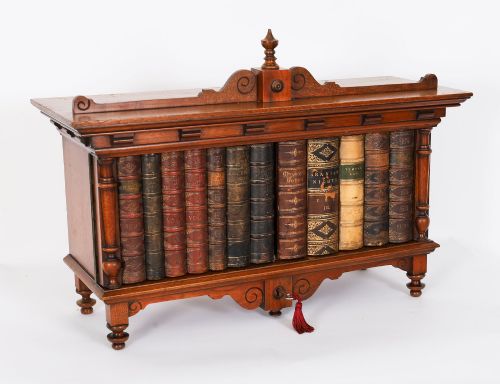
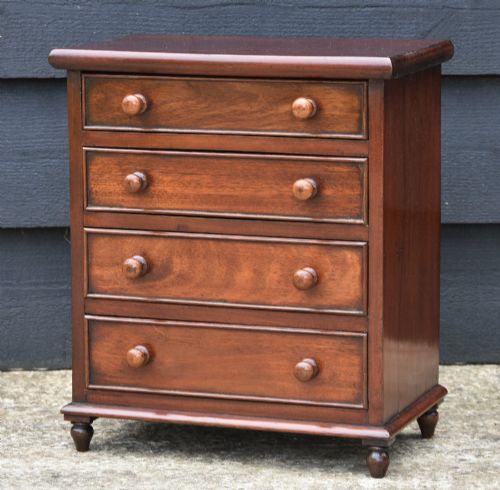
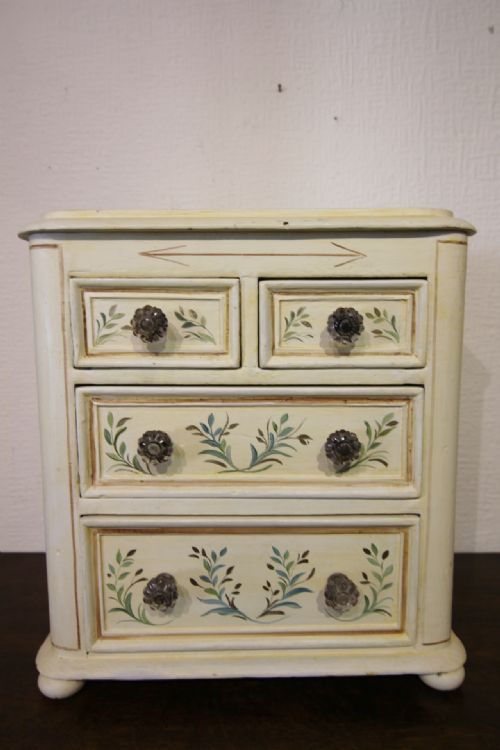
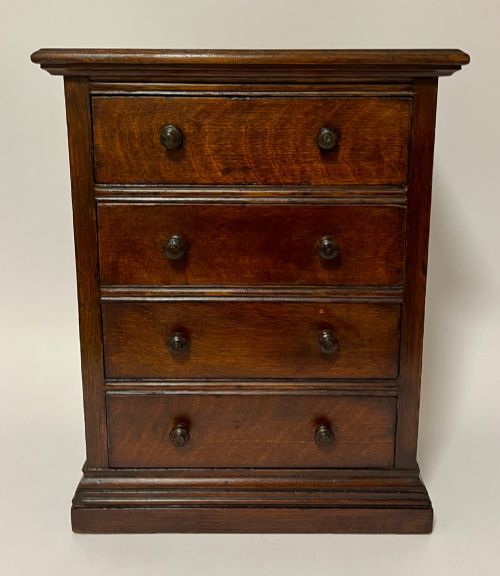
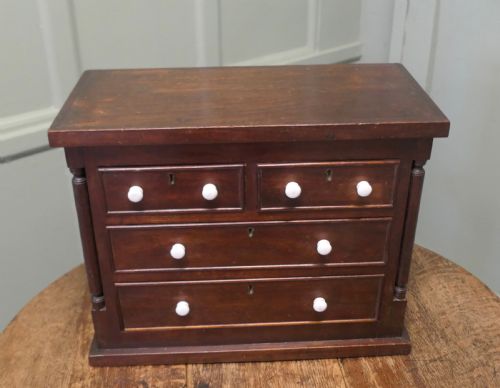
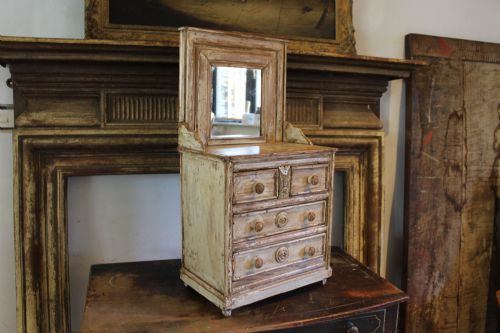
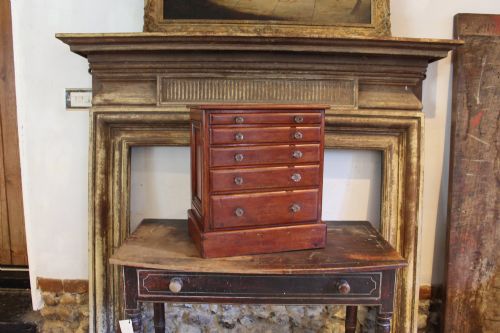
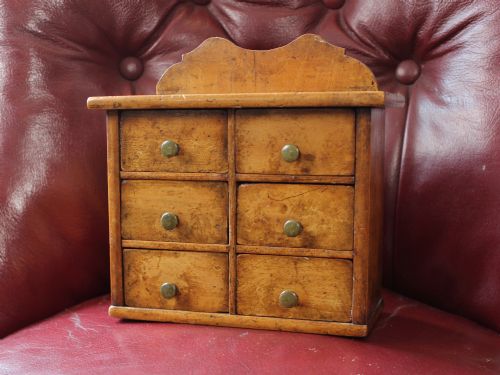
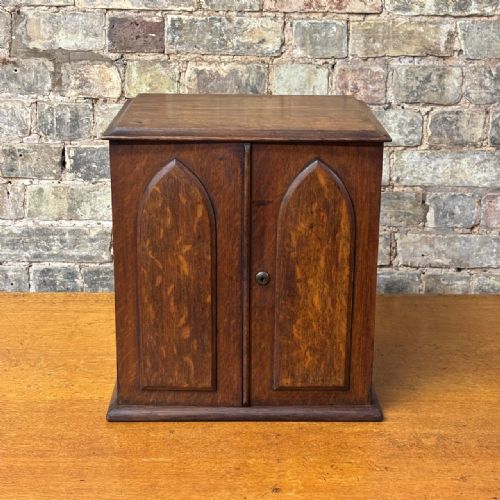
A victorian miniature cupboard encompasses compact tabletop cabinets, apprentice chests of drawers, and spice cabinets originating primarily from the nineteenth century. These small-scale pieces often replicate larger furniture styles including Scottish, French Provincial, and Gothic Revival forms.
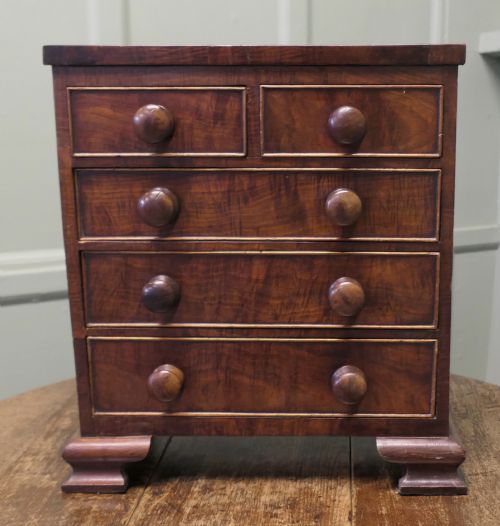
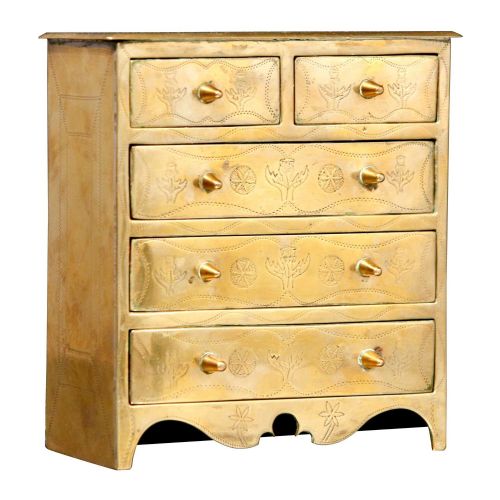
The most common examples encountered are mahogany and walnut chests of drawers standing on small feet, alongside table cabinets fitted with panel doors or multiple internal drawers. Many pieces date from the mid-nineteenth century up to the early twentieth century.
Makers produced these items as master craftsman samples, apprentice pieces, or specialty receptacles for jewellery and specimens. Their diminutive proportions allow them to sit comfortably upon desks and side tables while retaining functional storage compartments.
Quality and Craftsmanship
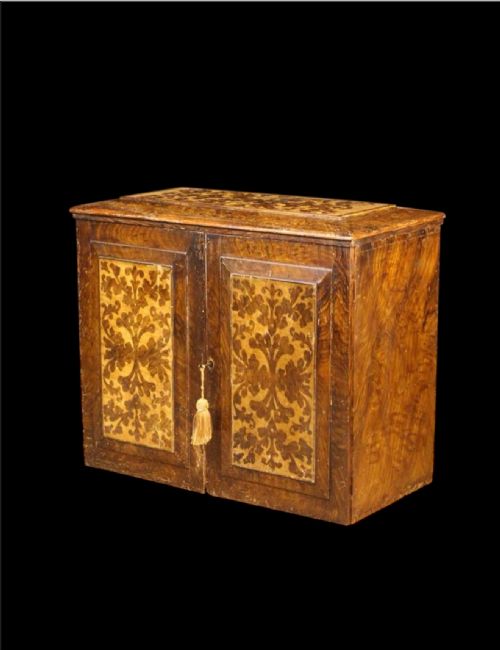
Distinction across the range rests upon the precision of the joinery and the selection of timber veneers. Superior examples display carefully matched burr walnut or figured mahogany grains with tight dovetail joints that show meticulous workshop execution.
Detailing elevates finer specimens, seen in decorative elements such as engraved brass hardware, mother of pearl inlay, and well-fitted panel doors. Secondary woods and simpler painted surfaces denote more utilitarian provincial workshop production.
Periods represented across the selection range from the early nineteenth century through the Victorian era up to the nineteen-twenties.
The Victorian Miniature Cupboard Glossary
- Apprentice piece
- A small-scale item created by a trainee artisan to demonstrate mastery of cabinet making skills. These miniature chests and cupboards exhibit the exact techniques used in full-sized furniture.
- Collectors cabinet
- A tabletop storage piece designed with multiple shallow drawers or compartments for organising small specimens, coins, or geological samples. They frequently feature secure lockable doors.
- Burr walnut
- A highly figured timber veneer harvested from the burl growths of walnut trees. The swirling grain patterns make it a prized material for decorative nineteenth-century tabletop furniture.
- Secret drawer
- A concealed compartment built into a cabinet or chest, often accessed by removing a false panel or secondary divider. Makers integrated these hidden spaces to secure valuables.
- Aesthetic movement
- A late nineteenth-century design style focusing on artistic visual value over traditional historic revival. Pieces from this movement incorporate exotic materials like bamboo and distinctive decorative motifs.
Victorian Miniature Cupboard: Frequently Asked Questions
What were miniature cupboards used for?
These small cabinets served multiple domestic purposes, acting as desktop storage for letters, jewellery, and personal trinkets. Some functioned specifically as specimen cases for natural history collections or as trade samples.
Craftsmen also created them to demonstrate technical proficiency to guild masters, resulting in finely detailed miniature representations of standard household furniture.
How do I date a miniature chest?
Dating relies on identifying primary timber choices, construction methods, and stylistic influences tied to specific decades. Mahogany and early Victorian proportions typically point to the mid-nineteenth century.
Later pieces often incorporate varied woods, alternative hardware, or stylistic cues from the Aesthetic Movement around the eighteen-eighties and nineties. Inspecting drawer joints and backboards provides further chronological clues.
Where should I place a tabletop cabinet?
These compact pieces fit well on top of sturdy sideboards, desks, or chests of drawers where their detailed craftsmanship remains visible at eye level. Placing them away from direct sunlight protects vulnerable wood veneers and polished surfaces.
Because many include locking doors or secret compartments, they remain practical spots for storing small contemporary keepsakes and jewellery.
Are apprentice pieces genuine antiques?
Genuine examples date from the nineteenth and early twentieth centuries, created during the active periods of traditional furniture apprenticeships. They share the exact period timber stocks and hand-tool marks of standard antique furniture.
Evaluating the secondary woods, interior construction wear, and patina helps confirm the age and authenticity of these small-scale items.