
Victorian Miniature Art
Victorian miniature art captures faces, scenes and domestic models on a small scale, offering an intimate window into nineteenth-century life.
Victorian Miniature Art
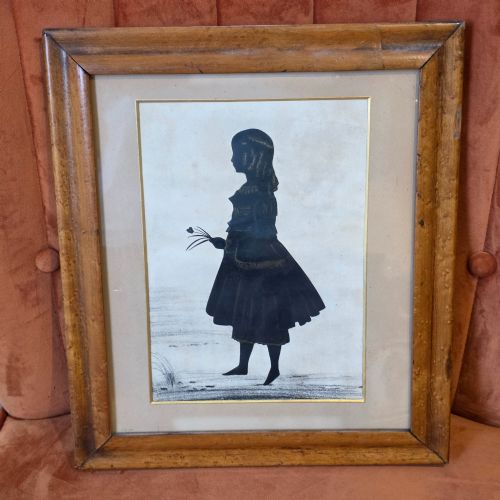
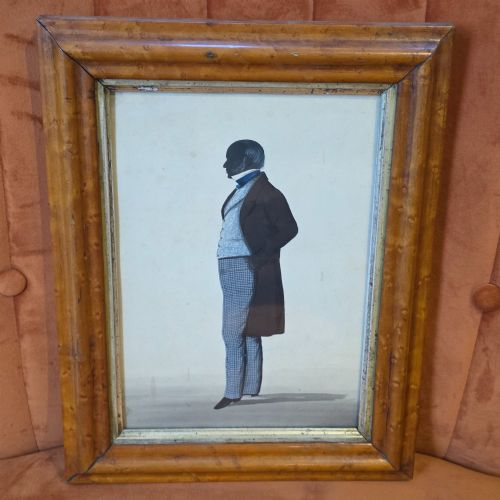
Victorian miniature art encompasses framed portrait paintings, cut-paper silhouettes, porcelain plaques and small carved models from the nineteenth century. These objects reflect the period's fascination with portraiture, sentiment and intricate craftsmanship.
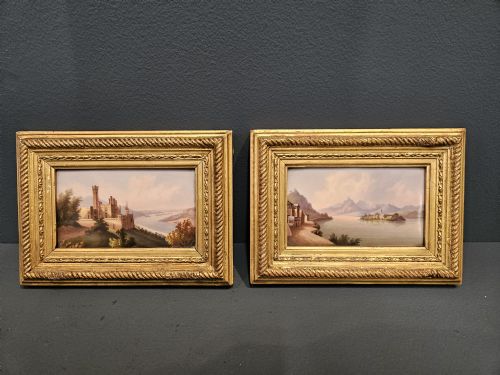
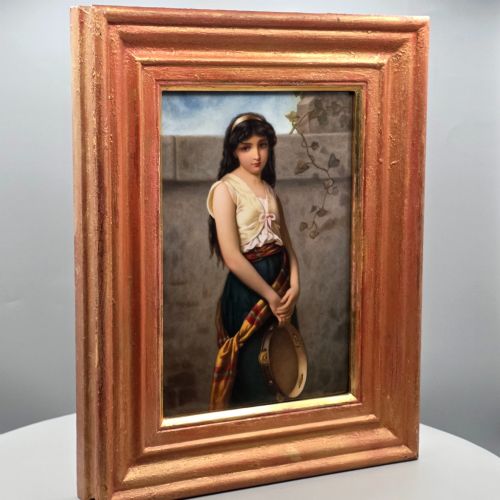
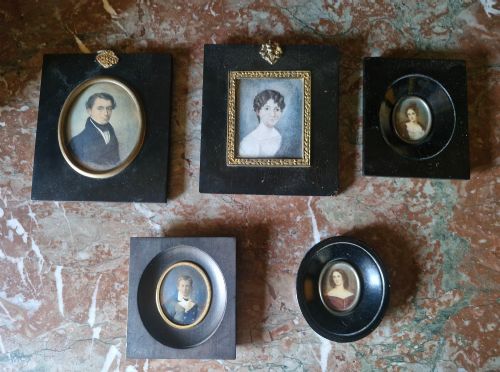
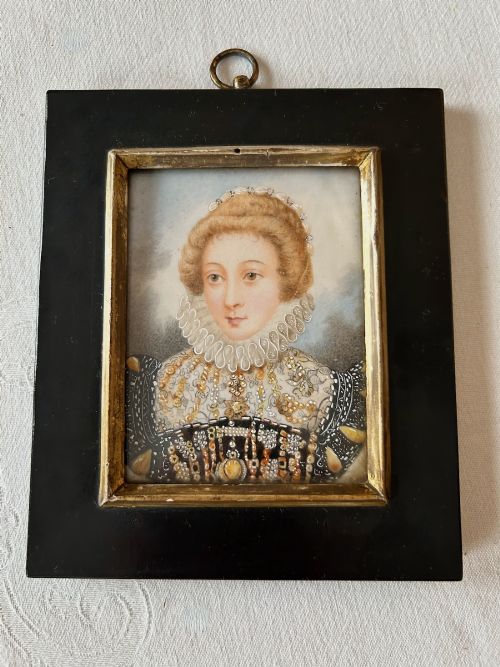
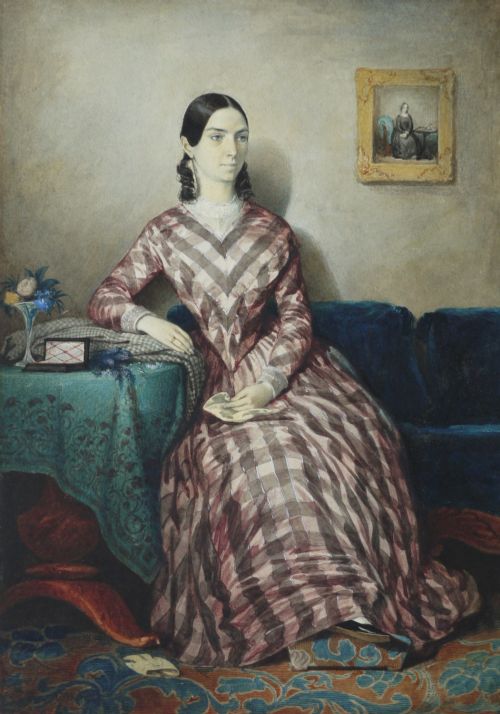
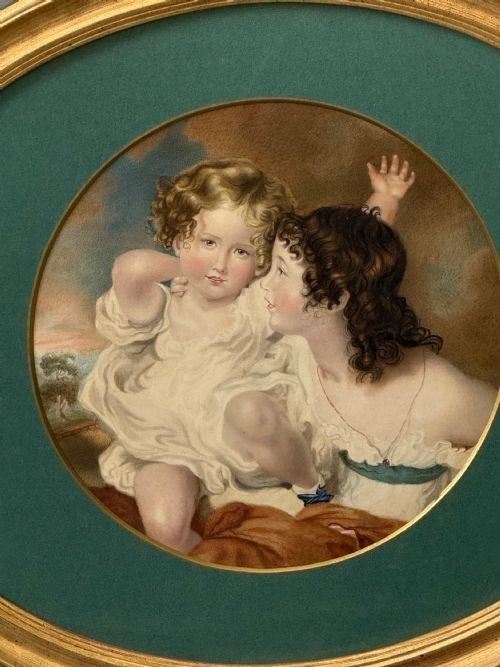
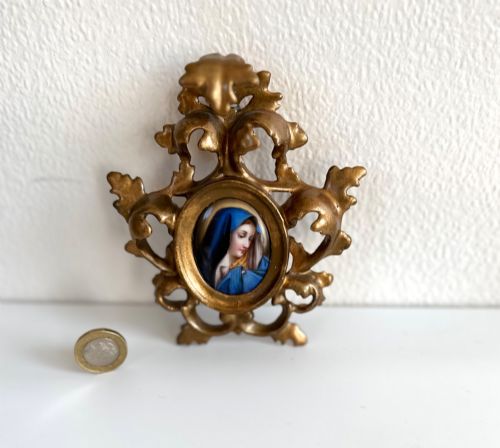
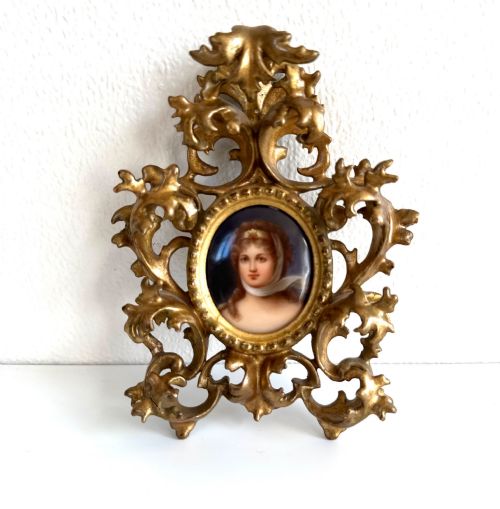
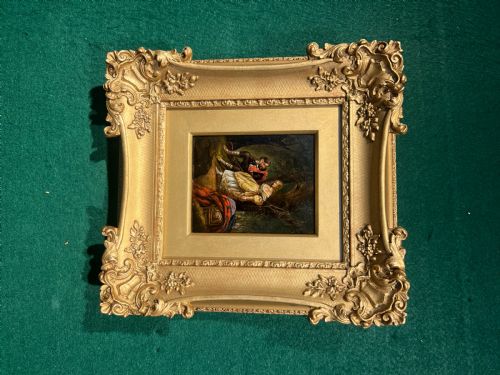
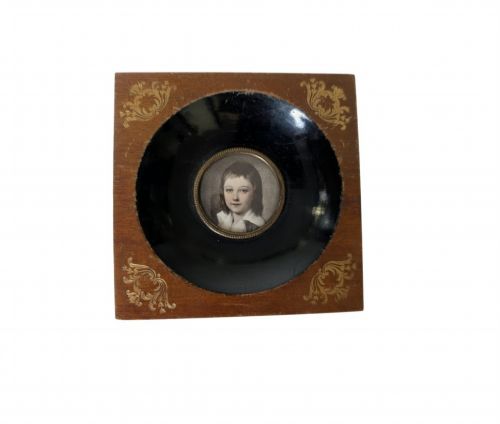
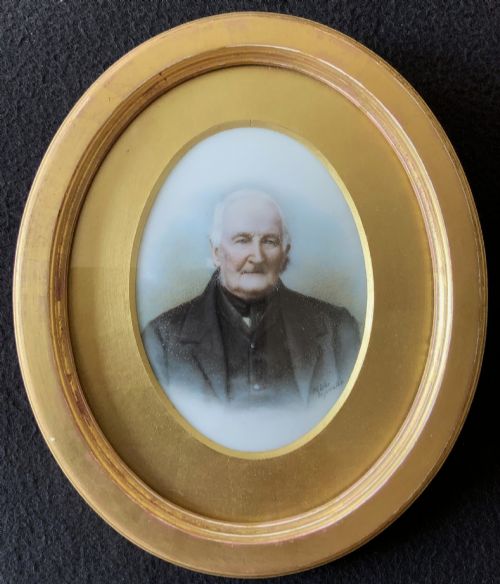
Portrait miniatures on this page appear as watercolours, pencil drawings and painted porcelain, often housed in ebonised frames, gilt surrounds or wearable brooches. Alongside them sit folk art models and small wooden furniture pieces.
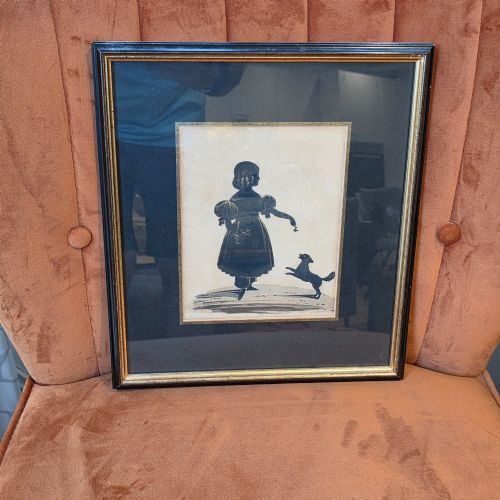
The most common formats met here are nineteenth-century watercolour portraits and silhouettes depicting children, officers and gentlemen. Pieces span Georgian roots through to the late Victorian era and Arts and Crafts period.
How They Were Made
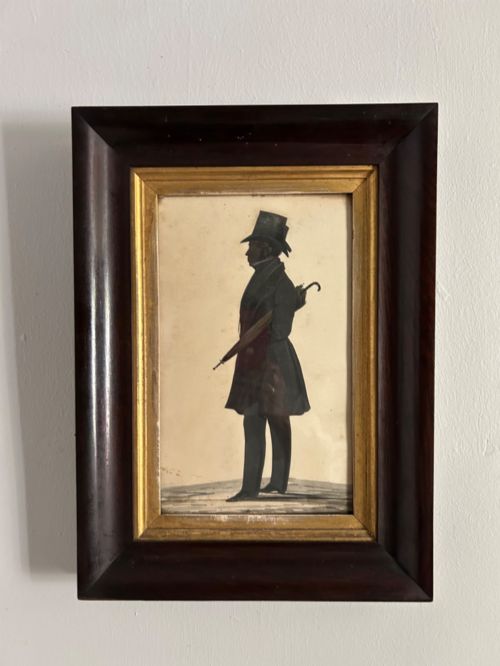
Artists painted watercolour and gouache on paper, glass or porcelain plaques, often working in fine detail to capture likenesses within a small format. Silhouettes utilised precision cutting with paper and ink, sometimes combined with watercolour highlights.
Carved models employed wood, slate and pine, forming miniature furniture, cradles and architectural pieces using traditional joinery and hand tools. Frames utilised brass, gilt wood and ebonised timber to enclose and protect the delicate works.
Listings feature works in watercolour, cut paper, gouache, oil, porcelain, slate and wood across the nineteenth century.
What Varies in Quality
Materials and framing contribute significantly to a piece's standing, with original period gilt or ebonised surrounds holding more integrity than later replacements. The crispness of cut-paper silhouettes and the preservation of pigment on porcelain plaques also determine grade.
William James Hubard·Henri Fradelle·Augustin Edouart·William Egley
The Victorian Miniature Art Glossary
- Silhouette
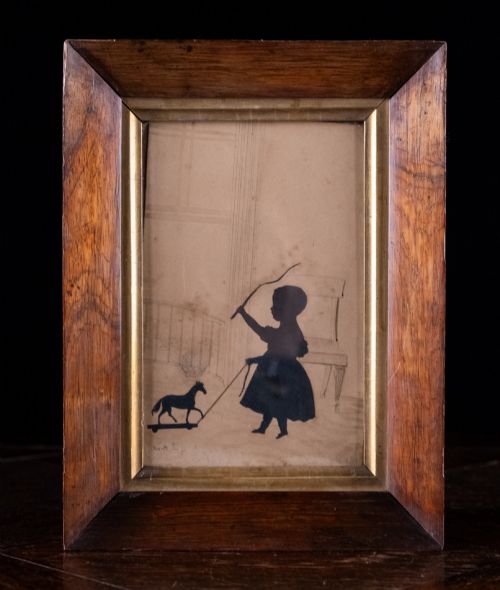
- A portrait profile cut from black paper or painted in solid dark pigment against a light background. Named after Étienne de Silhouette, these works record individual likenesses with economy and precision.
- Portrait Miniature
- A small-scale painting executed on ivory, vellum, card or paper, designed for private contemplation or wear. Painters used stipple dots and fine hatching to achieve realistic skin tones and textures.
- Porcelain Plaque
- A flat ceramic tablet fired with painted enamel scenes or portraits, often reproducing master works. These plaques resist fading and provide a smooth, luminous ground for detailed brushwork.
- Folk Art
- Objects created by self-taught makers or regional craftsmen outside academic traditions. These pieces prioritise utility, charm and direct expression over formal artistic conventions.
- Ebonised Frame
- Timber stained or painted black to imitate ebony, commonly utilised in the nineteenth century for framing silhouettes and small watercolours. This dark finish creates a strong visual border that throws light onto the artwork.
Victorian Miniature Art: Frequently Asked Questions
What is a portrait miniature?
A portrait miniature is a small-scale painting or drawing created during the eighteenth and nineteenth centuries. These works allowed people to carry likenesses of family members or notable figures.
Artists utilised watercolour, gouache or enamel on materials like paper, glass and porcelain. They were housed in protective frames, worn as jewellery or kept in velvet-lined cases.
How were silhouettes made?
Silhouettes were produced by cutting profile portraits from black paper using scissors or knives, or by painting the shape directly in ink. Practitioners like Augustin Edouart and William James Hubard worked quickly to capture recognizable physical traits.
Details such as hair curls or clothing edges were occasionally added with pencil, ink or gold leaf. The finished profiles were mounted against plain white or tinted paper backgrounds.
How should I display miniature art?
Miniature art requires protection from direct sunlight to prevent watercolours and papers from fading. Hang pieces on walls with stable humidity away from heat sources to protect the delicate frames and pigments.
Because of their small scale, group them together on a wall or place them on shelves where viewers can examine the fine details closely. Avoid hanging them in damp rooms such as bathrooms.
What are porcelain plaques?
Porcelain plaques are flat ceramic panels painted with enamel colours and fired in a kiln to fuse the pigments. Artists often copied Renaissance masters or painted original portraits on these smooth surfaces.
The firing process creates a permanent, glossy finish that maintains its colour over centuries. They are typically found mounted inside heavy wooden or gilt frames.