
Victorian Milk Jug
A victorian milk jug brings the weight of nineteenth-century metalwork and glass to the table, offering both utility and decorative charm for the modern home.
Identifying a victorian milk jug
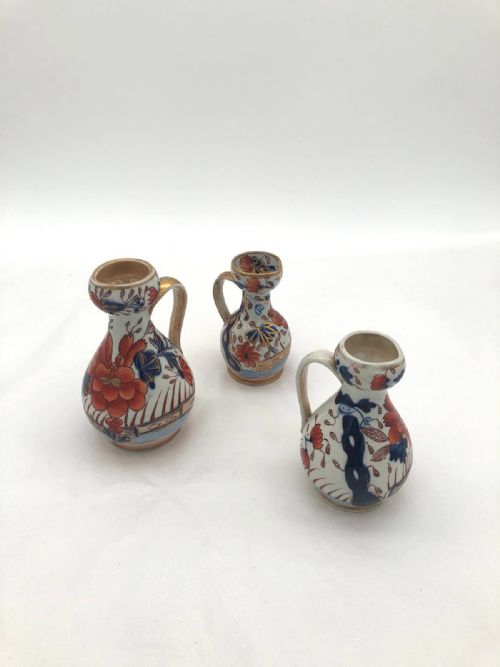
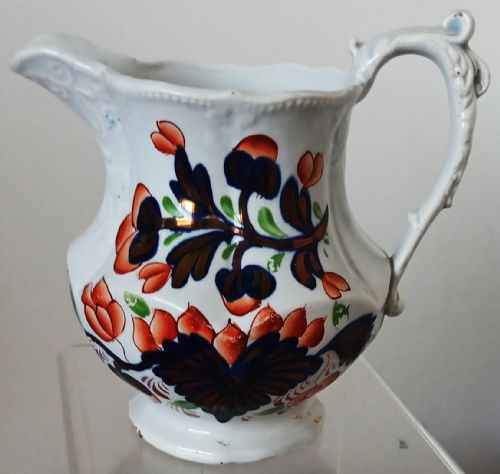
When you search for a victorian milk jug, you encounter functional vessels designed for serving dairy at the table during the nineteenth century. The listings and archives show examples ranging from small cream jugs to larger pitchers used for milk.
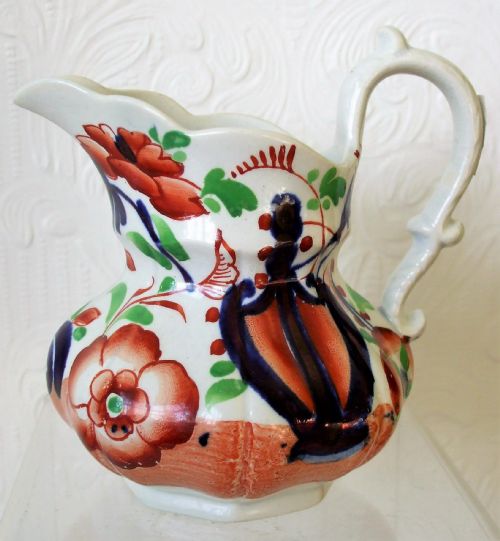
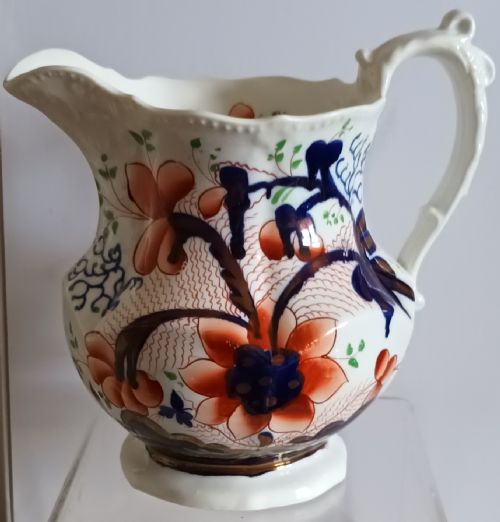
Forms vary from standard cream jugs to pedestal designs, spiral fluted bodies, sparrow beak profiles, and Jersey cans. Styles include the distinct ornamentation of the Victorian Rococo Revival period alongside simpler domestic forms.
Materials and construction
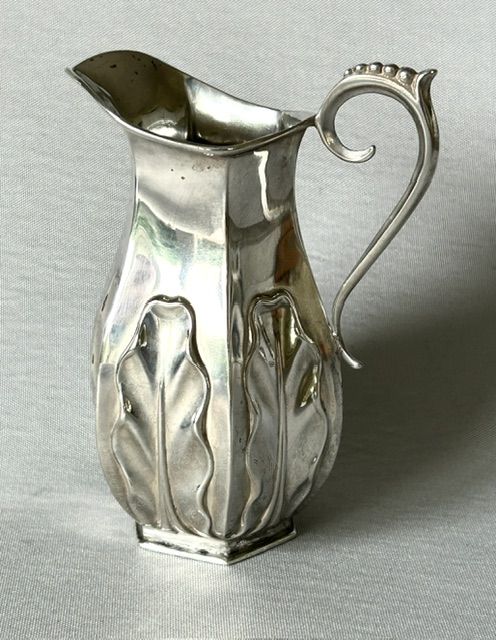
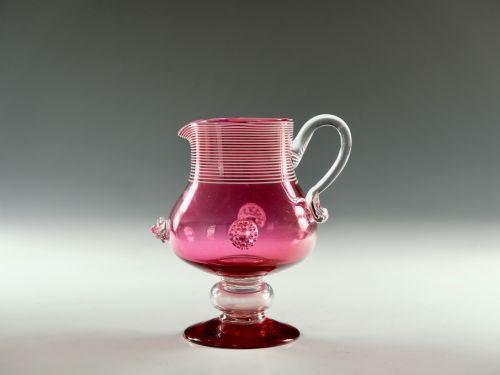
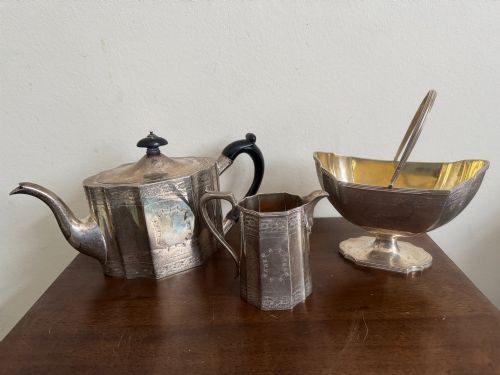
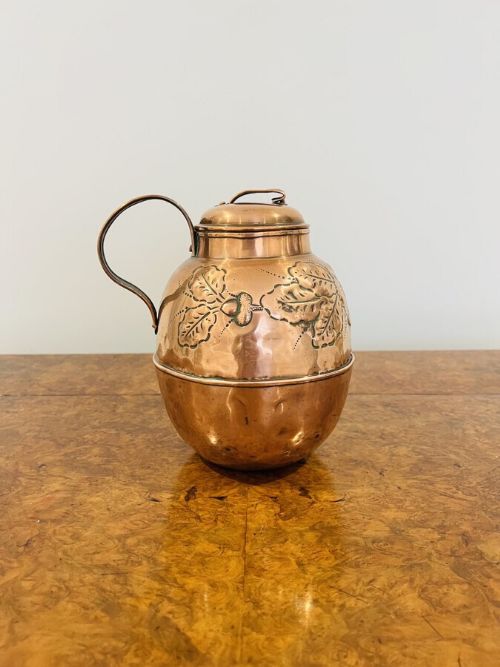
Makers utilised solid sterling silver, silver, and copper to construct durable metal jugs, often shaping them through raising and soldering techniques. Glass versions utilised cranberry glass and clear glass, sometimes blown into moulds or free-blown to achieve specific forms.
Decoration on the metal pieces involved chased designs, embossing, etching, and figural work. Silver examples frequently bear hallmarks indicating assay offices in London and Birmingham alongside specific dates of manufacture.
Retail Price Guide 2026
Typical UK retail prices for victorian milk jug, calculated from the Sellingantiques database of over a million retail prices indexed since 2003. This retail price guide relies exclusively on Sellingantiques data; no external sources or auction records are used, so the figures do not describe the wider market.
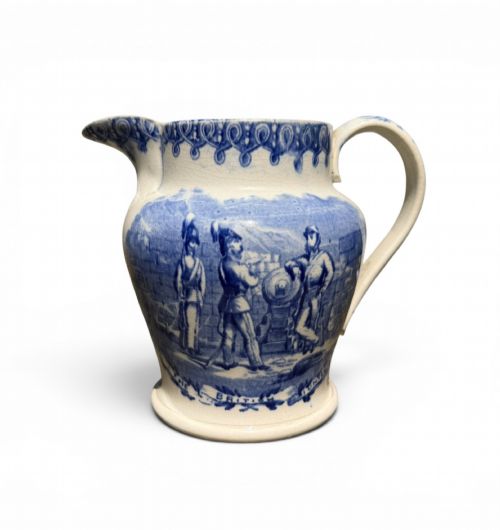
Makers sometimes decorated milk jugs with figural tavern scenes, bringing lively social gatherings directly to the breakfast table.
Judging quality in nineteenth-century jugs
Quality separates simple domestic vessels from ambitious pieces through the crispness of chased and embossed decoration. Figural scenes, tavern motifs, or animal embossing require higher skill in the silversmith compared to plain or lightly etched surfaces.
The weight of the silver or the clarity of cranberry glass dictates the physical presence of the jug. Pedestal bases, spiral fluting, and ornate handles demonstrate greater attention to design and execution by the maker.
Henry Holland·Hamilton Crichton And Co·Thomas Smily
The Victorian Milk Jug Glossary
- Sterling Silver
- A silver alloy containing 92.5 percent silver by mass, widely used for durable tableware throughout the period.
- Cranberry Glass
- A rich red-pink transparent glass created by adding gold chloride to the molten glass batch during the nineteenth century.
- Sparrow Beak
- A small eighteenth- and nineteenth-century jug profile featuring a distinctive, protruding lip resembling a bird's beak.
- Jersey Can
- A traditional copper cylindrical milk container featuring a tall neck and a side handle, often associated with the Channel Islands.
- Chasing
- A metalworking technique where a hammer and punches push the metal from the front to create raised surface patterns without removing material.
Frequently Asked Questions
What is a victorian milk jug used for?
These vessels were originally made to hold and pour milk or cream during tea service and formal dining. Today, they function well on the table or as small decorative display pieces.
Their varied sizes allow them to serve different volumes of liquid or simply complement other nineteenth-century tableware.
How do I identify a silver hallmark?
British silver typically carries stamped marks indicating the maker, the assay office, and the year of manufacture. London and Birmingham are common assay locations found on these pieces.
Date letters correspond to specific years, allowing collectors to trace the exact age of a silver milk jug.
What is cranberry glass?
Cranberry glass is a distinct red-pink transparent material achieved by mixing gold into the molten glass recipe. It appears frequently in nineteenth-century decorative tableware and small jugs.
The depth of the colour can vary depending on the specific batch and manufacturing technique used by the glasshouse.
How do I care for antique silver jugs?
Silver pieces benefit from gentle cleaning with appropriate silver polish to maintain their surface appearance. Regular handling and proper storage away from damp environments help preserve the metal.
Glass jugs require careful washing in warm soapy water to avoid scratching the historical material.