



Victorian Military Pottery Figure
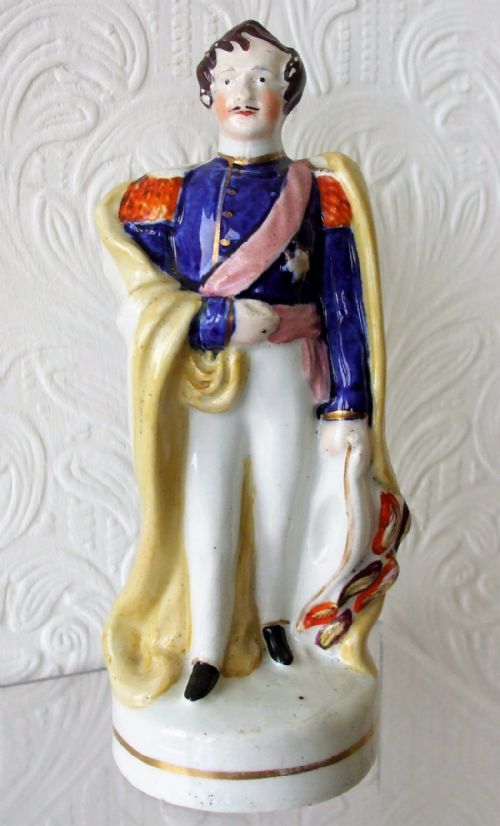
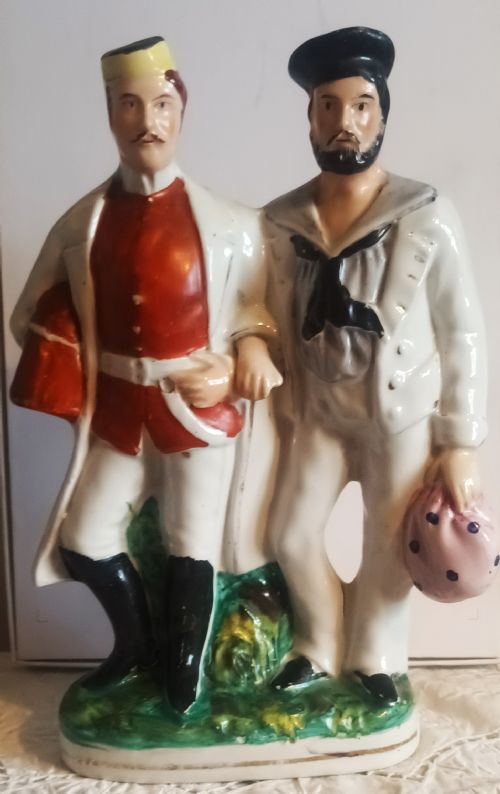
These Victorian military pottery figure examples bring royalty, generals and naval commanders right to the mantelpiece.
Victorian Military Pottery Figure
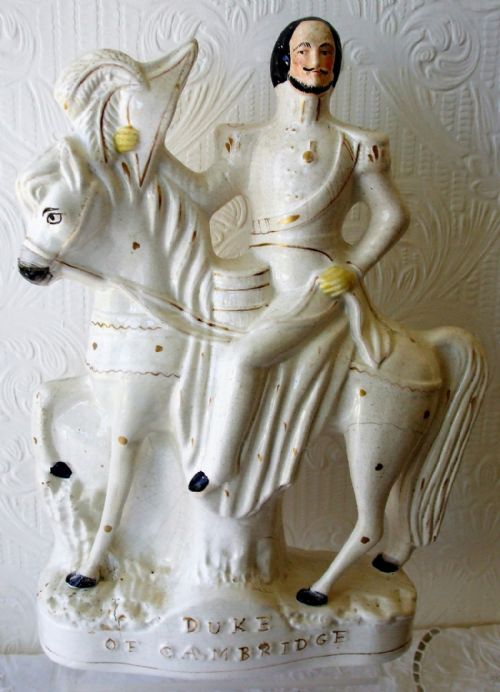
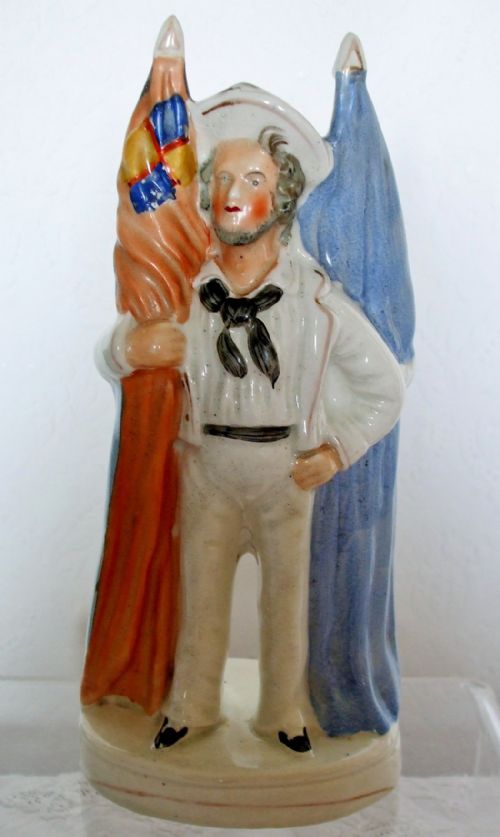
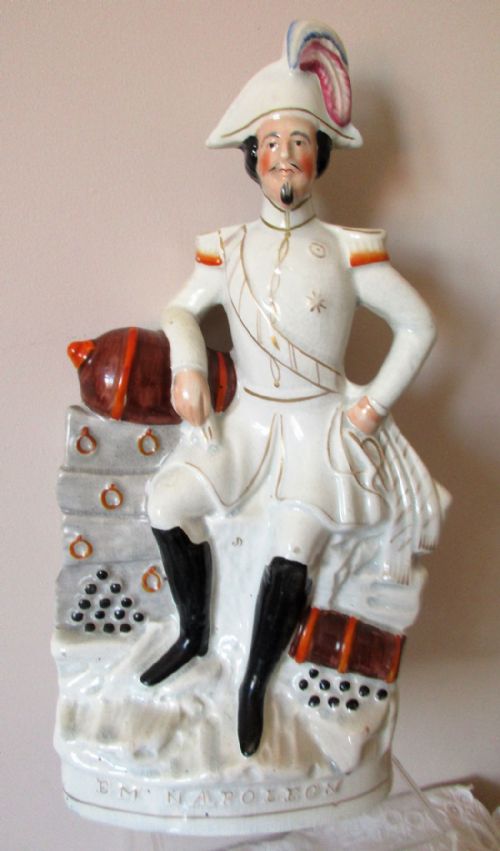
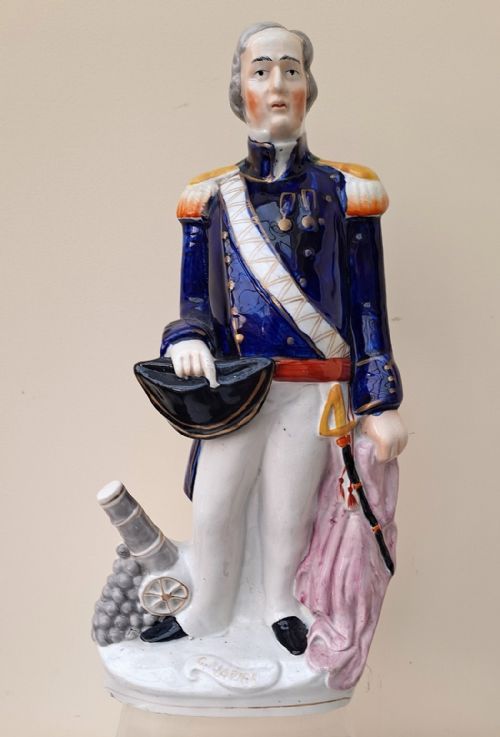
A victorian military pottery figure captures the public fascination with contemporary heroes, monarchs and international conflicts during the nineteenth century. These ornamental ceramic pieces depict prominent figures such as Prince Albert, Napoleon III, Admiral Sir Charles Napier, Admiral Sir James Dundas and General Charles George Gordon.
The objects take the form of decorative figurines and pottery figures originating from English Staffordshire potteries. Most examples encountered here belong broadly to the Victorian period, with specific dates reaching towards eighteen sixty.
Buyers find subjects ranging from royal portrait figures to paired military allies labelled as companions in arms. Each piece serves as a tangible record of nineteenth century popular portraiture and patriotism.
Materials and Manufacture
Potters constructed these figures using earthenware bodies shaped into distinct decorative forms. The raw clay was moulded, fired and subsequently finished with surfaces ready for decoration.
Select details received highlights in gilt to emphasise royal insignia or decorative regalia. This combination of ceramic body, enamel and glaze defines the material reality of the surviving pieces.
Victorian Military Pottery Figure Retail Price Guide 2026
Typical asking prices for victorian military pottery figure among the pieces listed under this phrase on Sellingantiques today, from the lower quarter to the upper quarter. They describe what is for sale here now, not the wider market.
Napoleon III appears multiple times on this page, proving that even French emperors needed good Staffordshire public relations.
Judging Quality and Execution
The distinction between standard examples and finer pieces lies in the precision of the painted details and facial likenesses. Skilled decorators achieved sharper expressions and more carefully rendered uniform details than lesser hands.
Application of the lead glaze and enamel paint also dictates visual success, with even coverage and minimal pooling separating superior items. Gilt highlights remain crisp and well-placed on the most accomplished works rather than hurried or faded.
The Victorian Military Pottery Figure Glossary
- Earthenware
- A porous pottery body fired at lower temperatures than stoneware or porcelain. It requires a glaze to achieve watertightness and provides the standard foundation for these nineteenth century figures.
- Lead Glaze
- A vitreous coating containing lead oxide applied to ceramic wares before a second firing. It melts during the kiln process to form a smooth, transparent and glossy surface.
- Enamel Paint
- Opaque vitreous colours applied over a fired glaze and fixed with a subsequent low temperature firing. This technique allowed makers to achieve bright reds, blues and greens on uniforms.
- Gilt
- A thin layer of gold or gold coloured material applied to surface details. Potters used this to highlight buttons, braiding and royal crowns.
Victorian Military Pottery Figure: Frequently Asked Questions
What subjects do these figures show?
The pieces depict notable military commanders, naval admirals and European royalty from the nineteenth century. Common subjects include British figures like Prince Albert and General Charles George Gordon alongside continental leaders such as Napoleon III.
Makers drew inspiration from current events, military campaigns and royal households to supply a patriotic public with recognizable mantelpiece ornaments.
Where were these figures made?
These decorative ceramic pieces originated in the Staffordshire potteries of England. This region served as the primary manufacturing hub for popular portrait figures during the Victorian era.
Regional workshops produced vast quantities of earthenware figurines to satisfy domestic demand for affordable household decoration.
How do I display them safely?
These earthenware objects require stable placement on flat surfaces away from high traffic areas or vibrations. Keeping them out of direct sunlight helps protect the enamel paint and glaze layers from degradation.
Gentle dusting with a dry, soft brush is sufficient for routine maintenance without risking the delicate painted surfaces.
How are the subjects identified?
Many pieces feature painted or moulded titles on the base or lower front section to name the individual depicted. Names such as Prince Albert or Admiral Sir Charles Napier appear directly on the ceramic body.
Collectors rely on these inscriptions alongside uniform details and portrait conventions to confirm the identity of the sitter.