

English Pottery Royal Figure
An English pottery royal figure captures monarchs, princes and alliances in earthenware and bone china, offering a tangible link to Victorian pageantry and twentieth-century artistry.
English Pottery Royal Figure
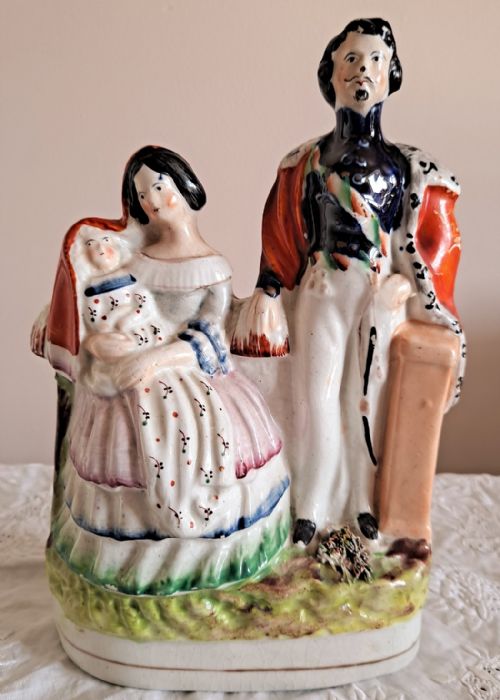
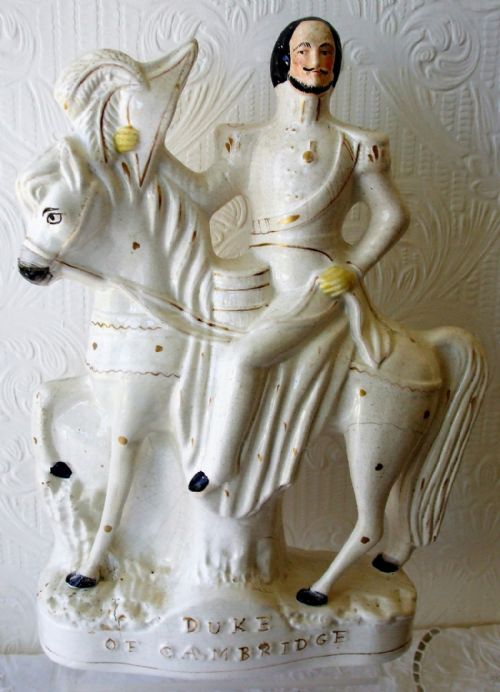
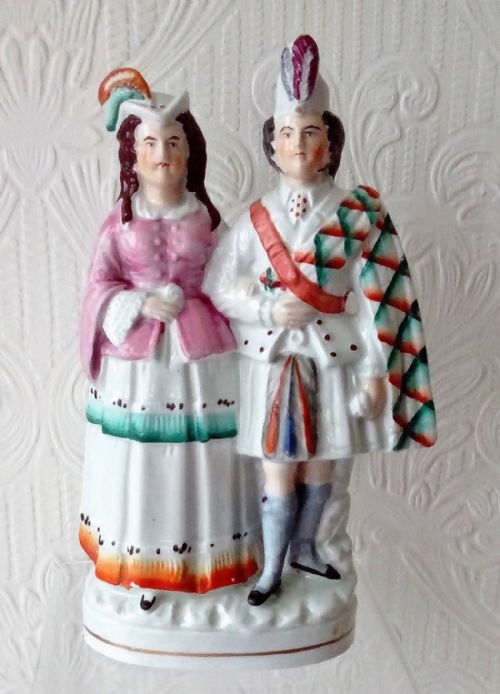
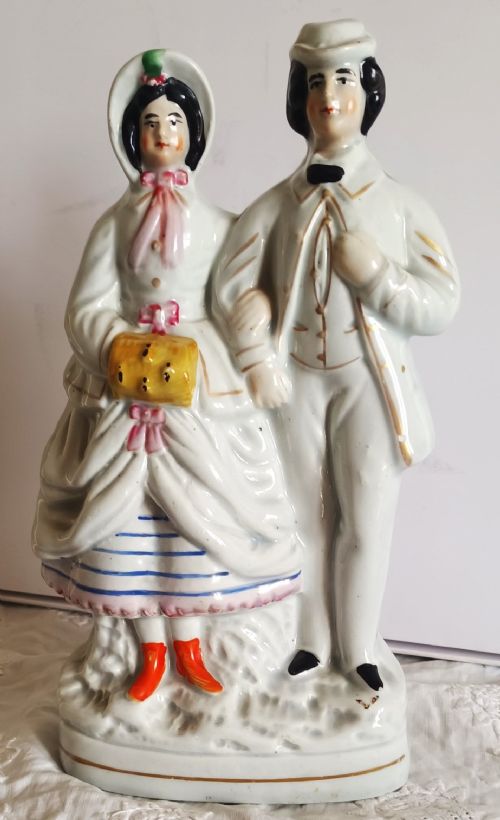
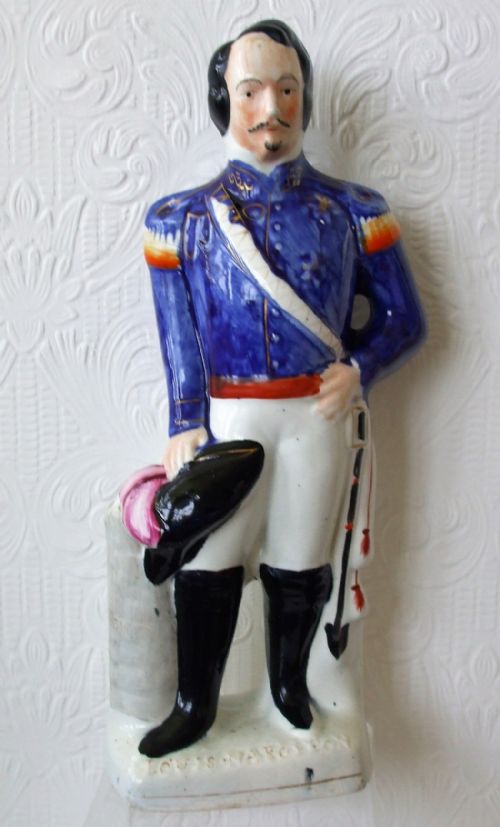
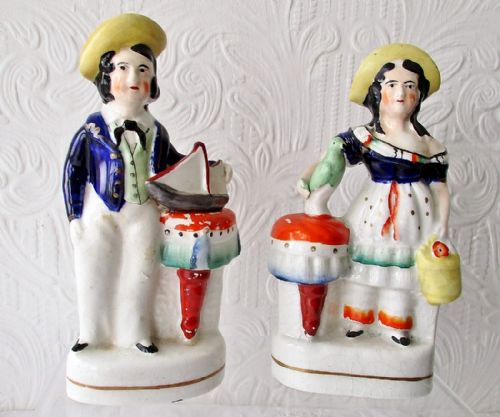
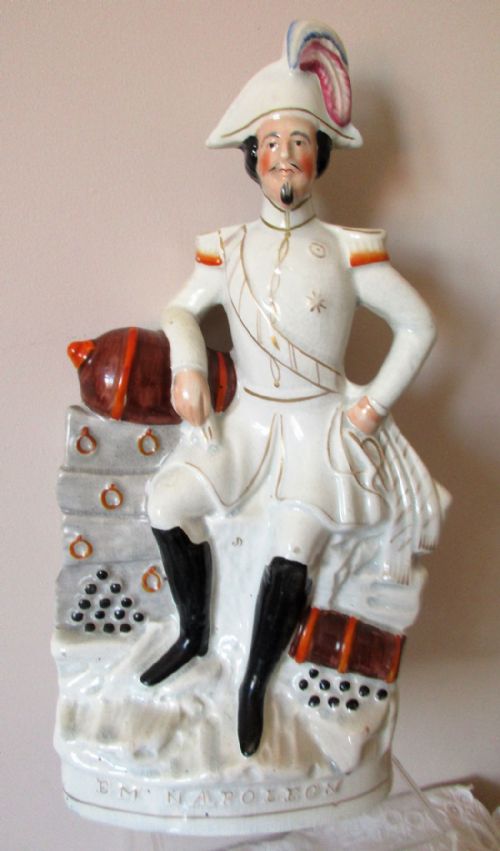
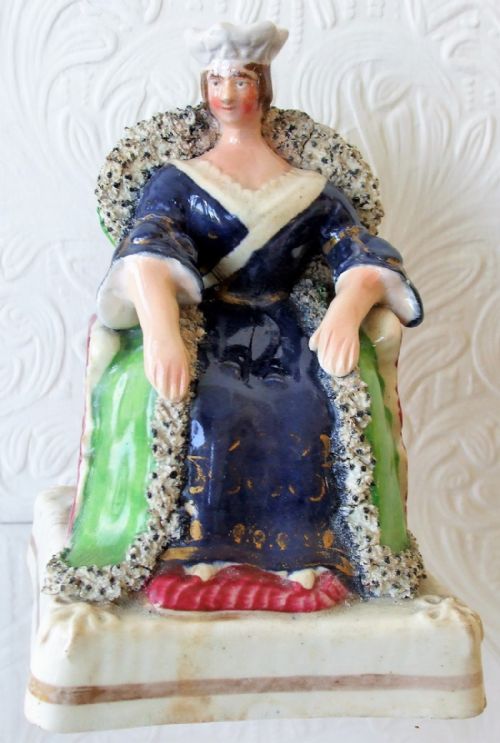
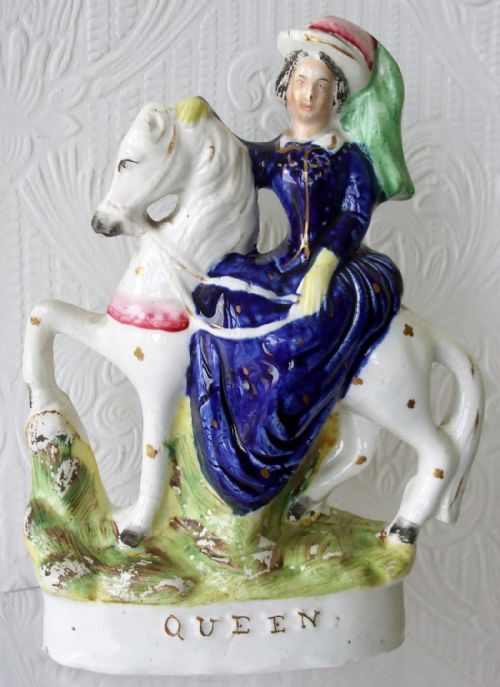
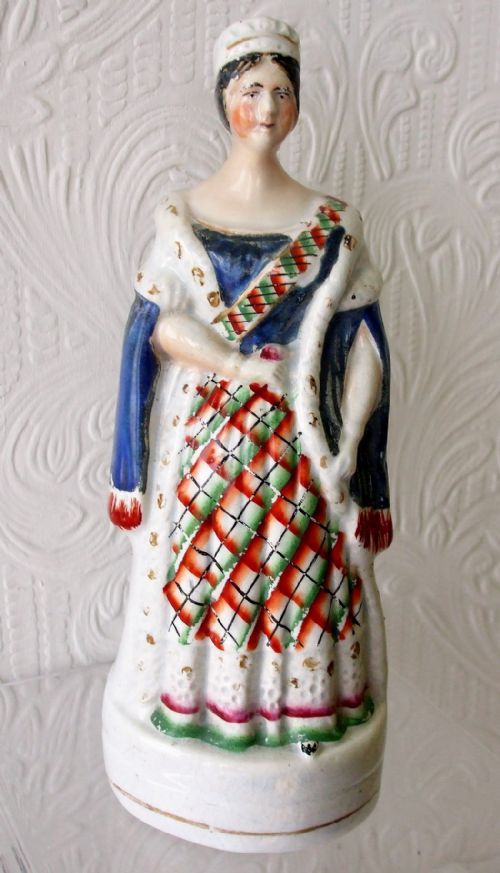
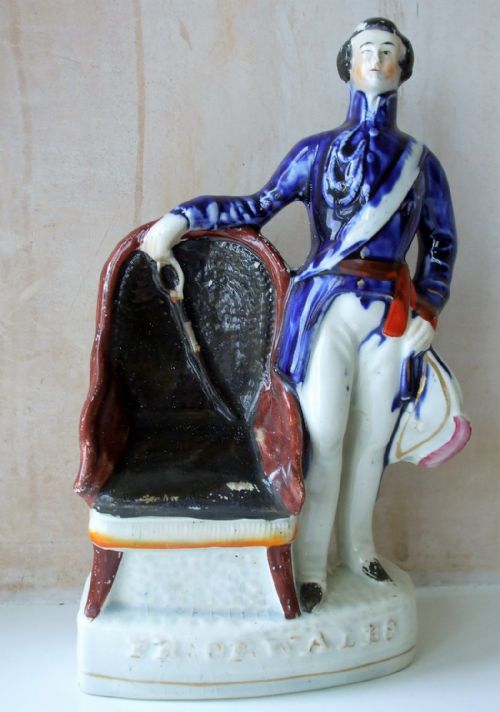
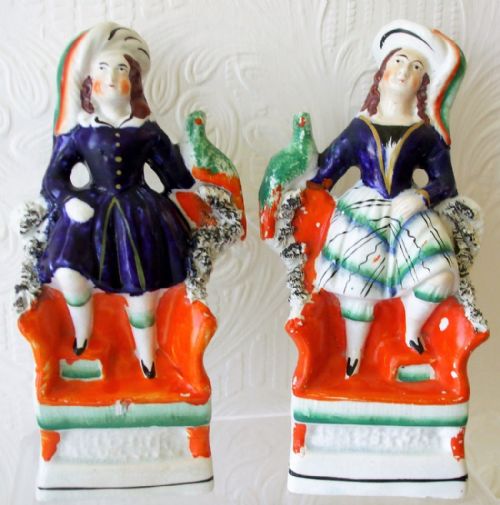
An English pottery royal figure represents sovereigns, heirs and political alliances through sculptural ceramics designed for display. These pieces range from Victorian Staffordshire portrait groups and flatbacks to later porcelain figurines produced by major potteries.
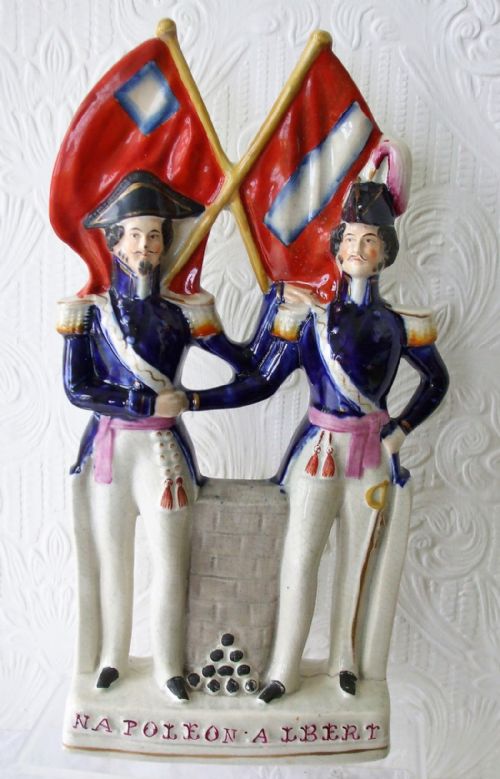
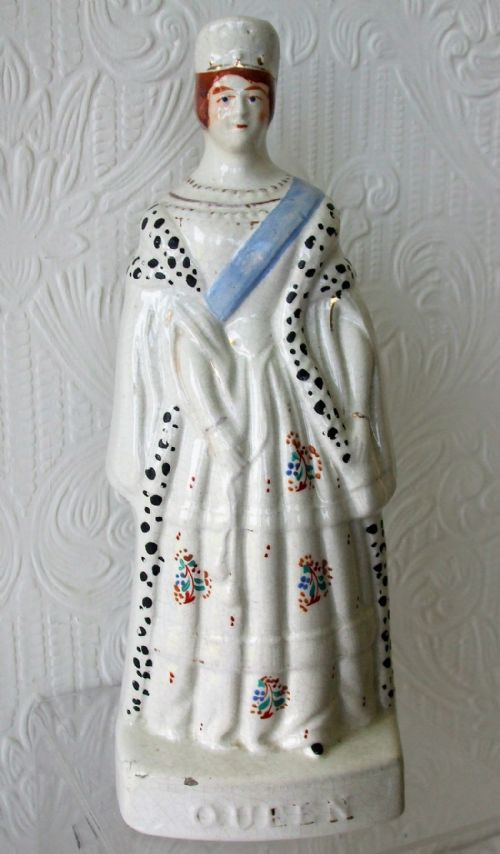
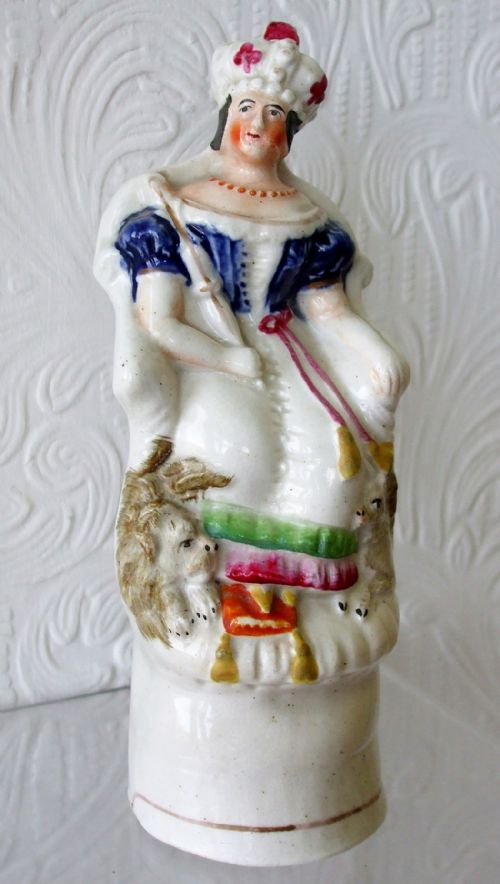
The Victorian examples concentrate heavily on Queen Victoria, Prince Albert and family members, alongside figures commemorating international alliances such as Turkey, England and France. These portrait pieces capture the public fascination with the monarchy during the nineteenth century.
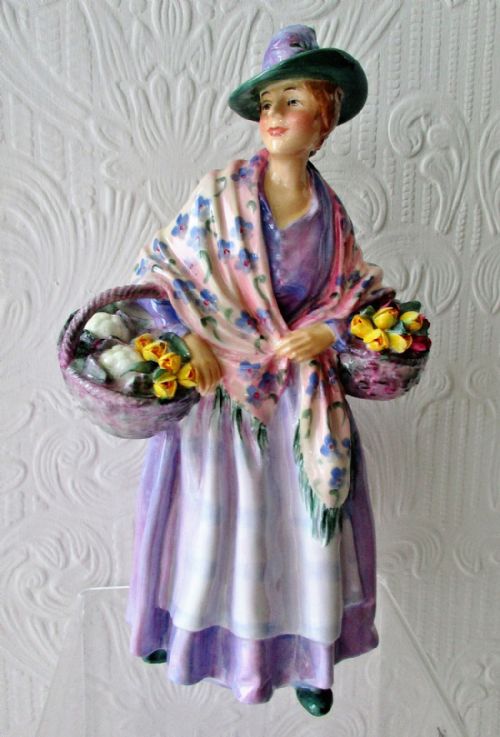
Mid-twentieth-century iterations transition from historical monarchs to named ceramic figures and vintage porcelain studies. The selection spans the nineteenth-century folk art tradition through to the glazed bone china output of the 1930s and 1940s.
Materials and production techniques
Potters utilised earthenware and bone china as the primary bodies for these sculptural objects. Earthenware formed the heavy base for nineteenth-century Staffordshire works, while porcelain and bone china suited the refined twentieth-century figurines.
English Pottery Royal Figure Retail Price Guide 2026
Typical asking prices for english pottery royal figure among the pieces listed under this phrase on Sellingantiques today, from the lower quarter to the upper quarter. They describe what is for sale here now, not the wider market.
Even international alliances found a ceramic place, as seen in the Staffordshire group uniting Turkey, England and France.
Evaluating craftsmanship and detail
Quality rests upon the precision of the modelling and the crispness of the painted or enamelled details. Superior pieces display clear facial likenesses and careful hand-painting that distinguishes the royal regalia.
The application of glaze and enamel dictates the visual depth of the figure. Finer examples retain bright, well-fired pigments across the garments without blurring the underlying ceramic form.
Royal Doulton
The English Pottery Royal Figure Glossary
- Flatback
- A ceramic figure modelled with a finished front and a plain, unadorned reverse designed to stand against a wall. This construction saved materials and kiln space during the Victorian era.
- Earthenware
- A porous pottery body fired at lower temperatures, requiring a glaze to render it waterproof. It provides the heavy, robust foundation for nineteenth-century Staffordshire portrait pieces.
- Bone china
- A type of porcelain incorporating bone ash, known for its high strength, chip resistance and milky translucency. It served as the medium for twentieth-century figurines.
- Lead glaze
- A glossy coating containing lead oxide applied to pottery before firing to seal the porous clay body. It imparts a characteristic shine to nineteenth-century figures.
English Pottery Royal Figure: Frequently Asked Questions
What periods do these figures come from?
The pieces span the Victorian era through to the 1930s and 1940s. Nineteenth-century examples dominate the earlier styles.
Later works reflect the mid-twentieth-century output of established ceramic manufacturers.
How were these portrait figures displayed?
Victorian portrait figures and groups traditionally stood upon mantelpieces and parlor shelves. Their flat backs allowed them to sit flush against interior walls.
Later porcelain figurines served a similar decorative function in twentieth-century domestic interiors.
How do I identify a portrait figure?
Inscriptions, titles on the bases and distinct royal regalia identify the specific monarchs or historical figures depicted. Makers' marks and pattern numbers assist with twentieth-century porcelain pieces.
Visual cues such as crowns, military uniforms and allied flags point directly to the historical context.
What is the difference between earthenware and bone china figures?
Nineteenth-century Staffordshire figures utilise heavier earthenware bodies with hand-painted enamels and lead glazes. They represent a folk art tradition distinct from later factory production.
Twentieth-century bone china figurines offer finer detail, thinner walls and a translucent white body.