

Antique Staffordshire Portrait Ornament
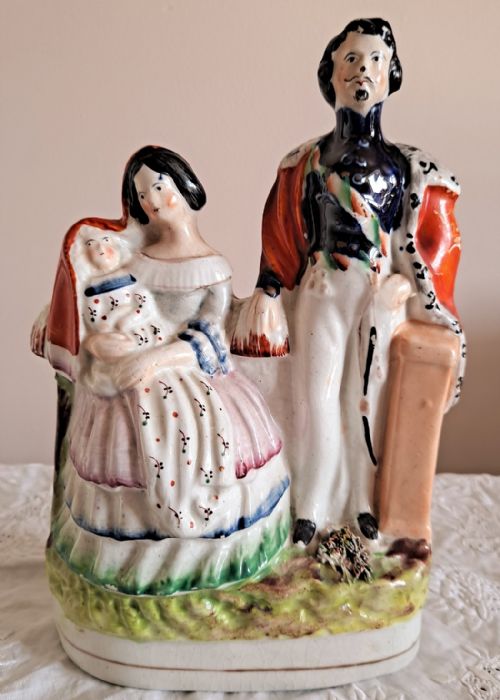
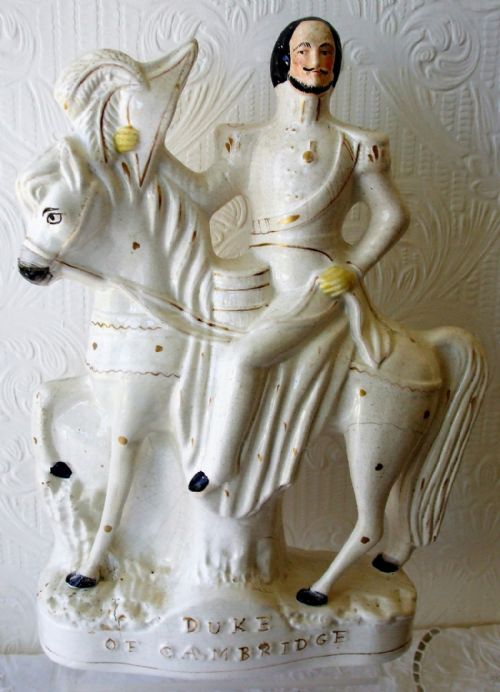
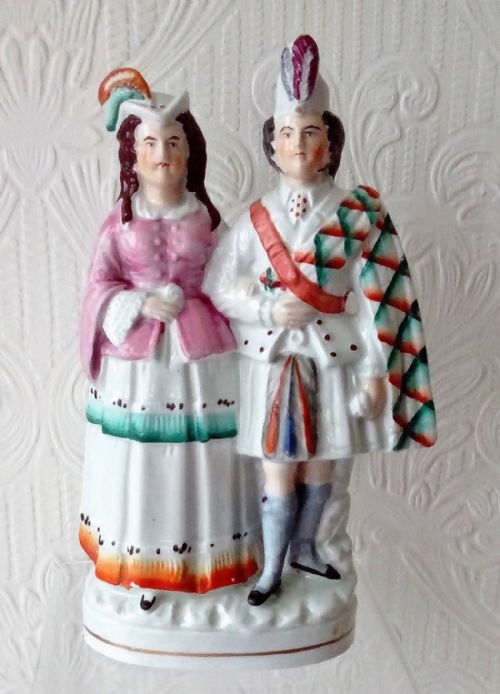
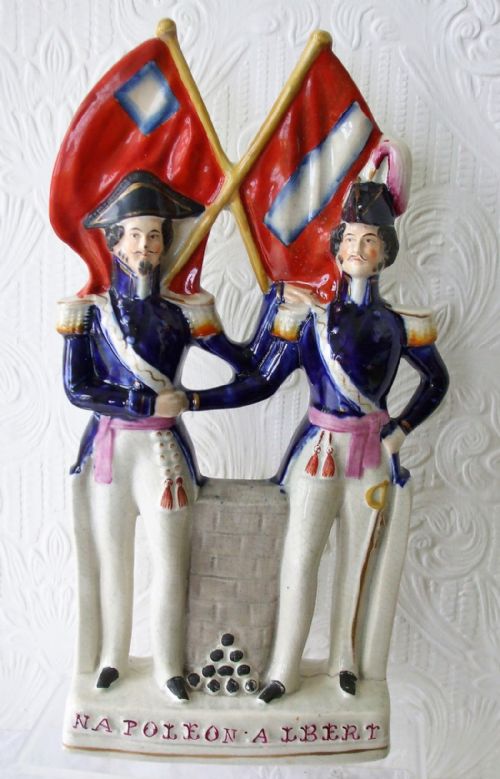
These antique staffordshire portrait ornaments capture the likenesses of royals, historical figures, and literary characters in ceramic form for collectors.
Antique Staffordshire Portrait Ornament
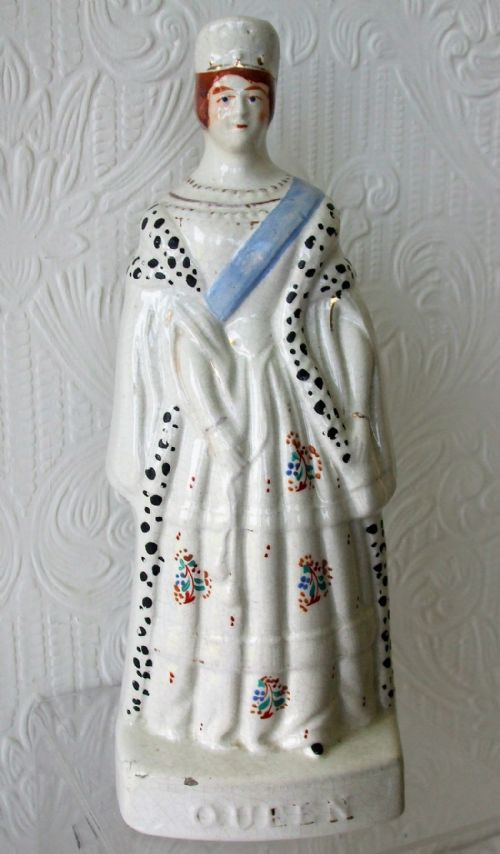
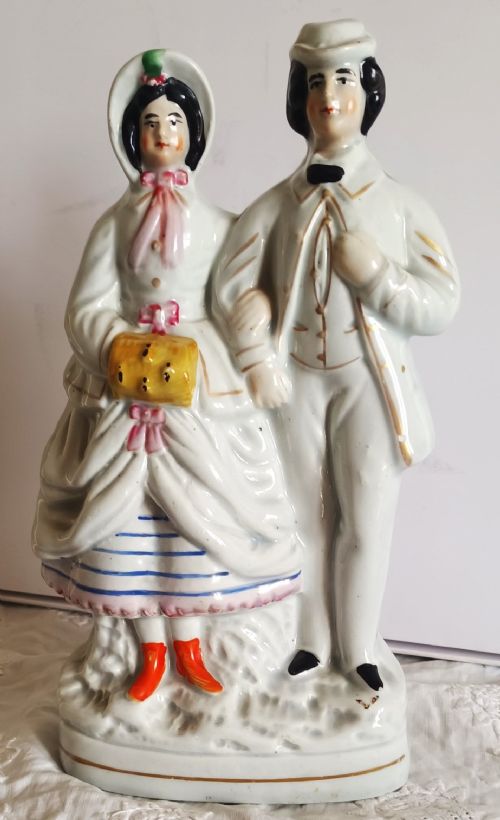
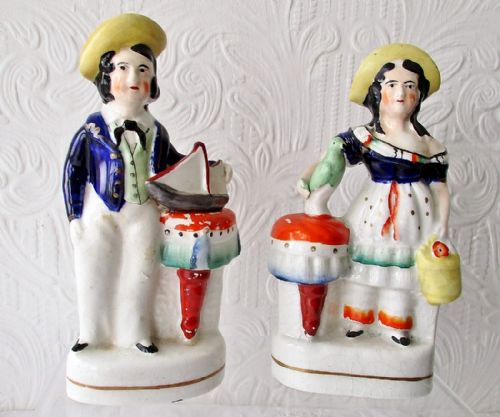
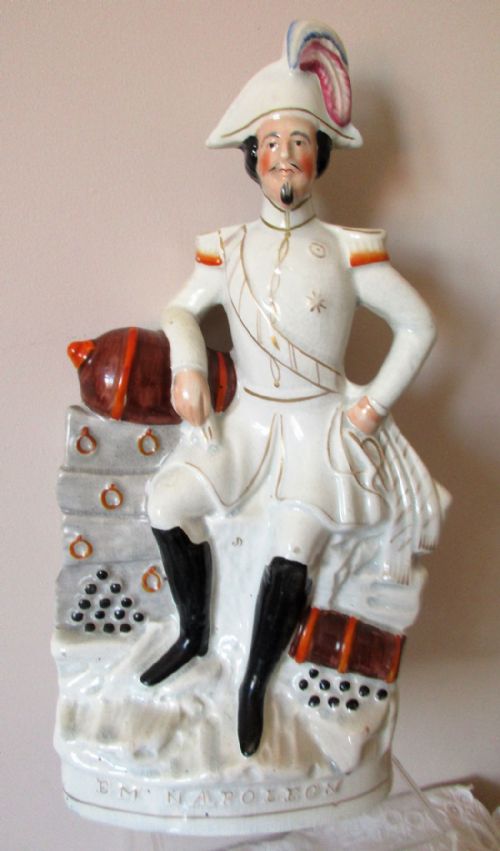
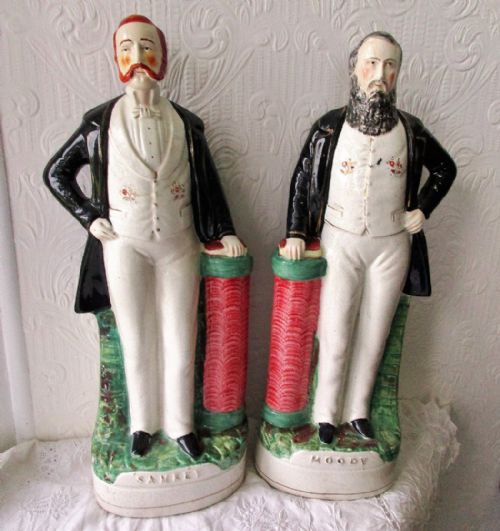
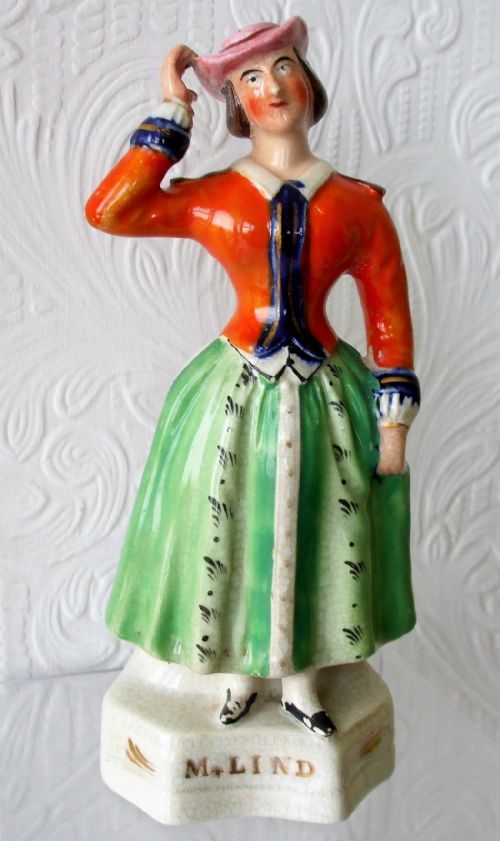
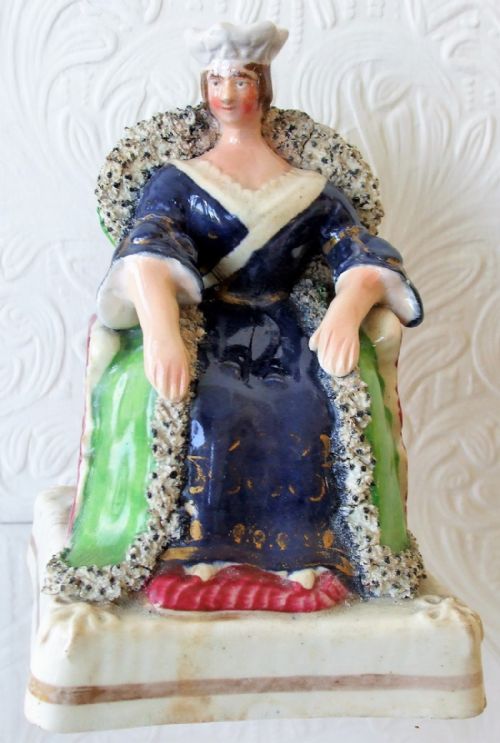
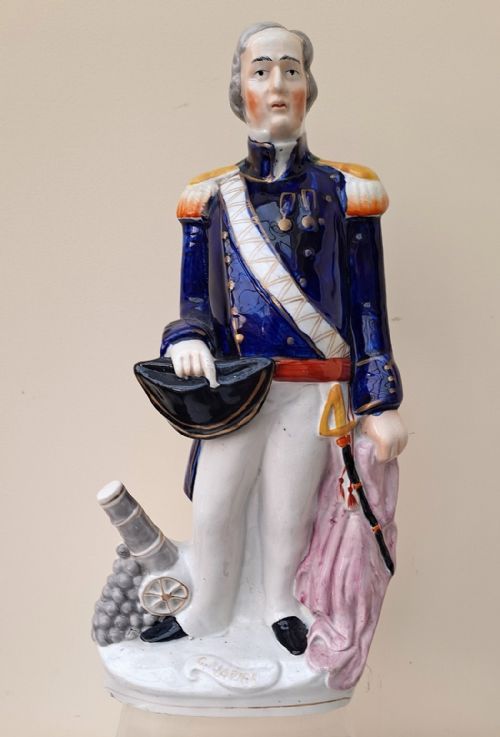
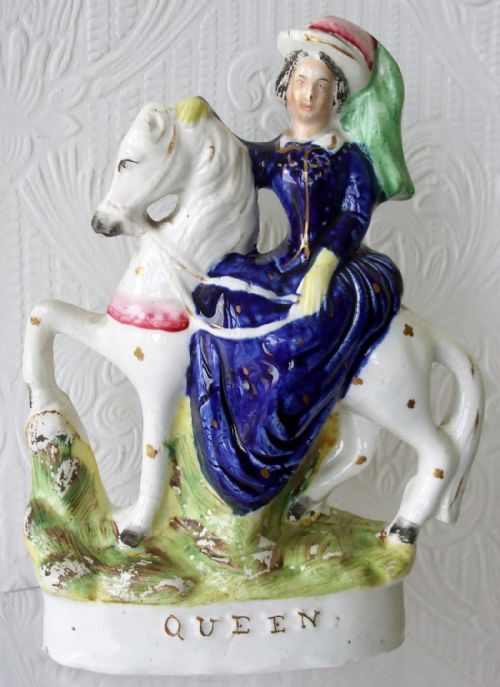
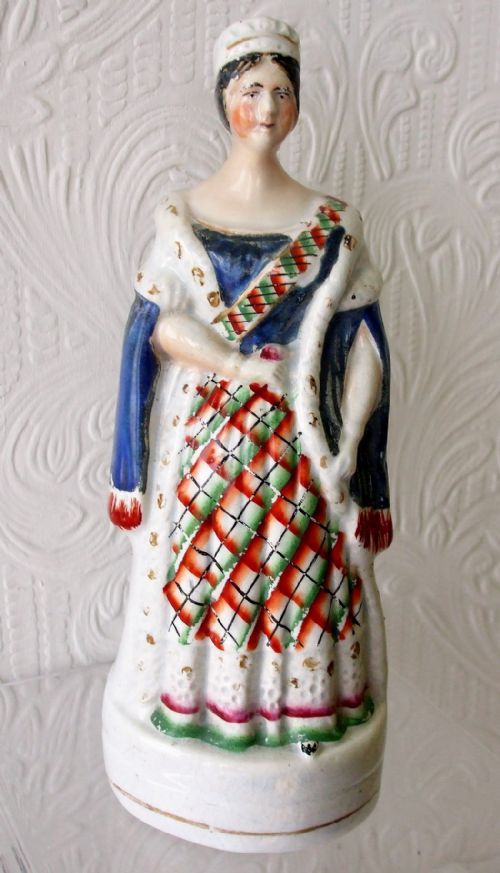
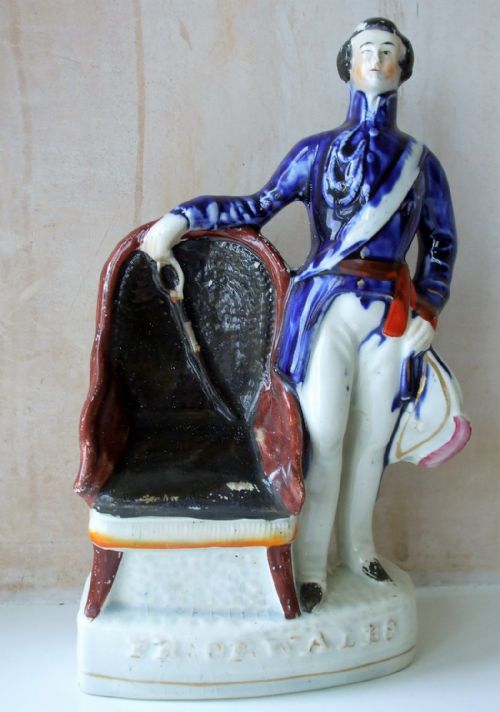
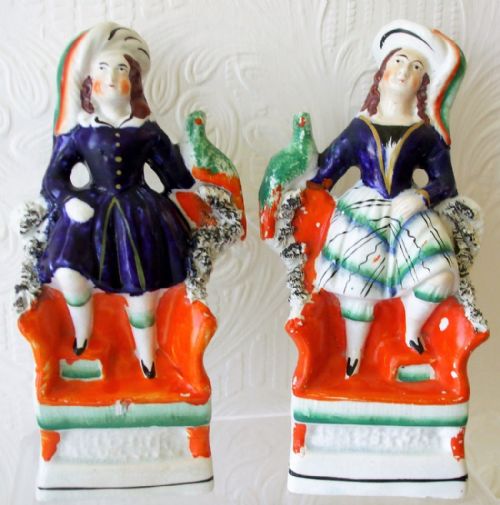
An antique staffordshire portrait ornament typically depicts figures from the nineteenth century, including monarchs, political leaders, evangelists, and literary or theatrical personalities. Buyers frequently encounter pieces representing Queen Victoria, Prince Albert, and Napoleon III, either as single figures, pairs, or multi-figure groups.
The forms range from decorative busts and flatback figures designed to sit against a mantelpiece to full standing figurines and sculptural groups. These pieces originated in English potteries and reflect the popular heroes, royals, and public figures of the Victorian period and earlier Georgian eras.
How They Were Made
Many larger examples utilised a flatback construction, meaning the reverse of the figure is left unglazed and hollow to save weight and materials during kiln firing. The application of coloured enamels over the glaze varied between individual potteries, creating distinct surface textures across the pieces.
Antique Staffordshire Portrait Ornament Retail Price Guide 2026
Typical asking prices for staffordshire portrait ornament among the pieces listed under this phrase on Sellingantiques today, from the lower quarter to the upper quarter. They describe what is for sale here now, not the wider market.
Benjamin Franklin occasionally appears disguised under the name Washington on nineteenth-century Staffordshire figures.
What Varies in Quality
The complexity of the form also dictates the tier of the piece, shifting from single standing figures to elaborate pairs and multi-figure portrait groups involving several named subjects. Denser ceramic potting and more refined glazing separate standard production pieces from higher-grade works.
The Antique Staffordshire Portrait Ornament Glossary
- Flatback figure
- A ceramic ornament moulded with a finished front and a flat, unadorned reverse designed to stand flush against a wall or mantelpiece. This construction method was standard for nineteenth-century Staffordshire portrait pieces.
- Earthenware
- A porous, opaque ceramic body fired at lower temperatures than porcelain. It forms the primary structural material for the majority of nineteenth-century Staffordshire figures.
- Lead glaze
- A shiny, protective vitreous coating containing lead oxide applied to pottery before firing. It gives the ceramic surface a smooth, reflective sheen.
- Portrait group
- A ceramic sculptural arrangement depicting multiple named individuals together on a single base. These pieces often record political alliances or royal family groupings.
Antique Staffordshire Portrait Ornament: Frequently Asked Questions
What subjects appear on these ornaments?
The subjects include British royals such as Queen Victoria and the Prince of Wales, continental leaders like Napoleon III, and religious figures like Moody and Sankey. Literary and theatrical personalities also feature alongside political figures and military commanders.
Potters selected public figures who dominated the news and popular culture of the nineteenth century to appeal to contemporary buyers.
How were flatback figures displayed?
Makers designed flatback figures to sit on mantelpieces, shelves, or sideboard backs where viewers would only see the front of the ornament. The flat unglazed reverse allowed the piece to rest flush against a vertical surface.
This construction method reduced the weight and amount of clay needed for large sculptural forms.
Are these pieces marked by makers?
Nineteenth-century Staffordshire portrait ornaments rarely carry factory marks or potter signatures. Identification relies on the moulded names on the bases, the style of the modeling, and the subject matter depicted.
Collectors attribute pieces by comparing the clay bodies, enamel palettes, and facial modeling to documented examples.
How do I care for antique ceramic figures?
Keep these ornaments away from direct sunlight and dust them gently with a soft, dry brush. Avoid using water or liquid cleaners on the hand-painted enamel and gilt surfaces.
Stable indoor temperatures protect the earthenware body and prevent degradation of the historic glaze.