


Victorian Military
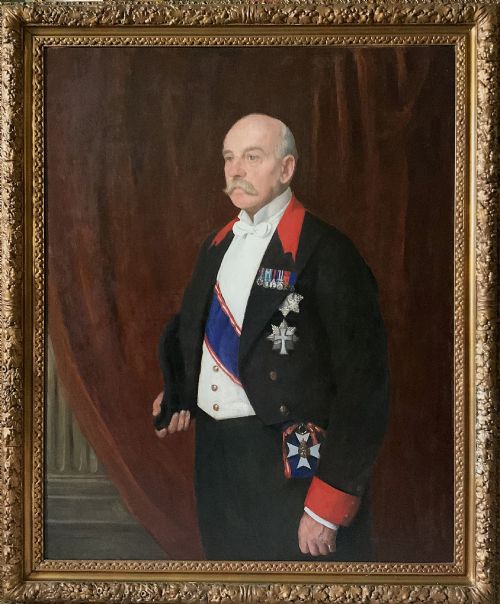
When you search for a victorian military antique, you are seeking portable campaign furniture, edged weapons, and oil portraits from the nineteenth century.
Victorian Military
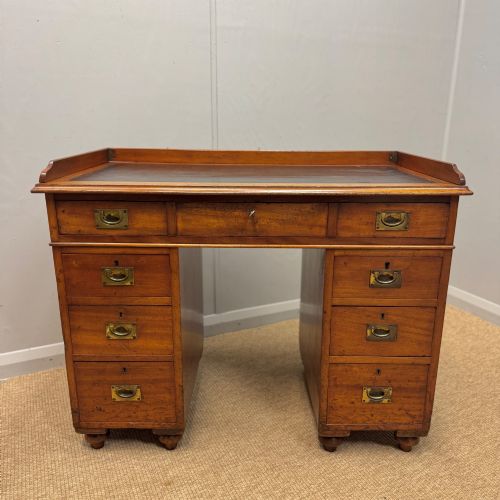
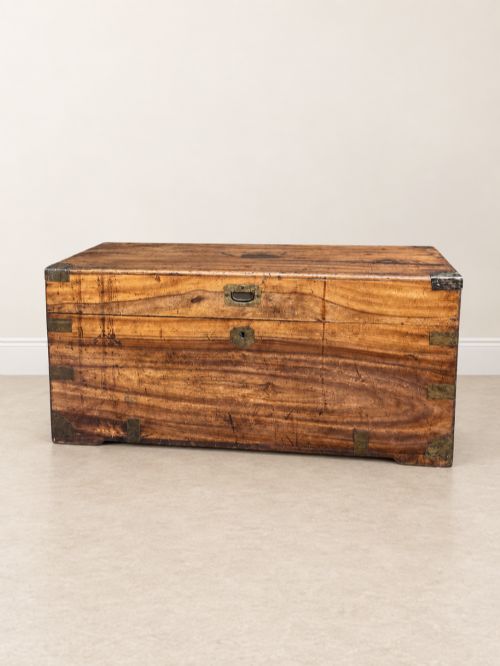
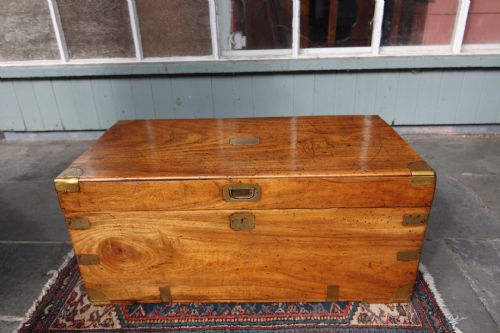
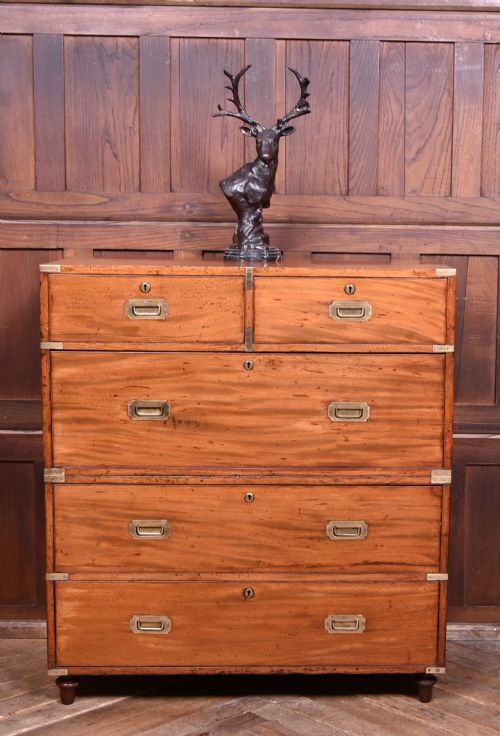
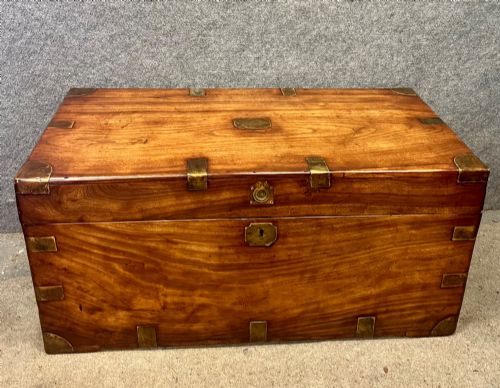
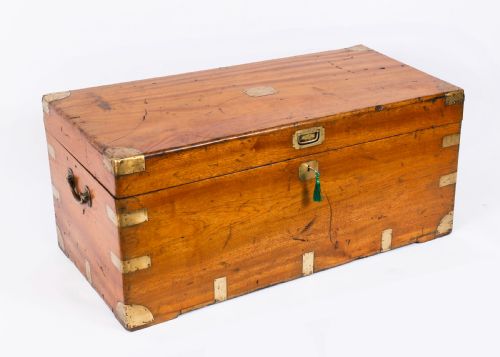
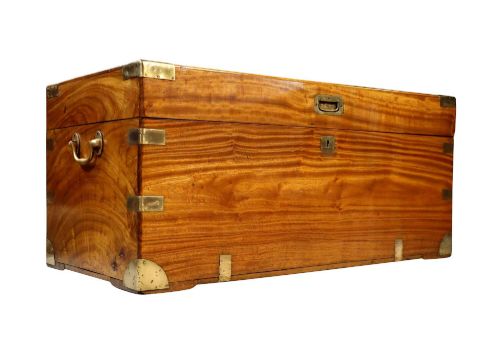
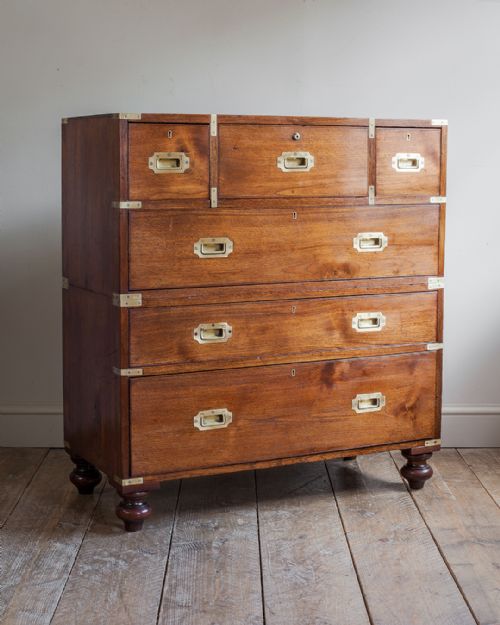
A victorian military antique encompasses campaign chests of drawers, trunks, writing slopes, and oil paintings originating from the nineteenth century. The most common form on this page is the brass-bound camphor wood or teak chest, built in sections for transport.
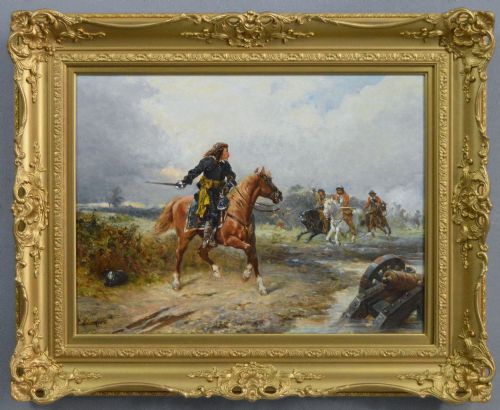
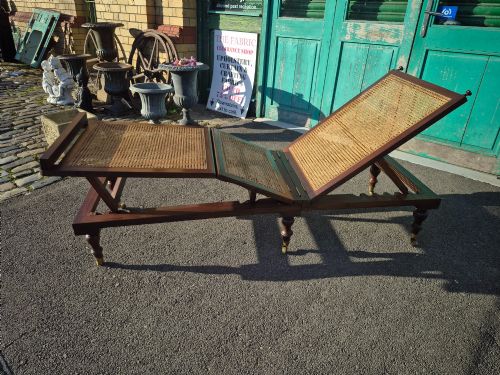
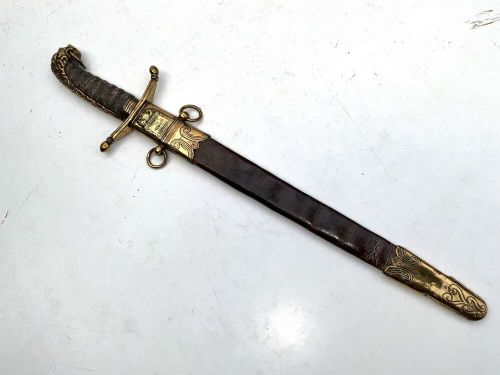
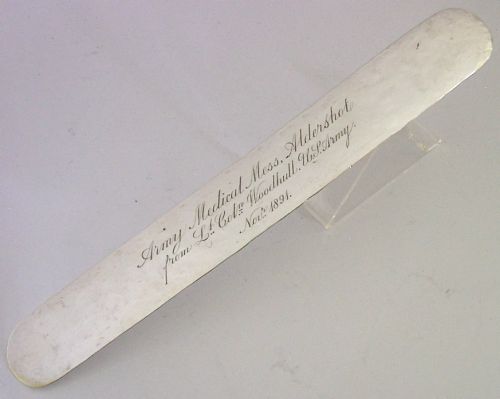
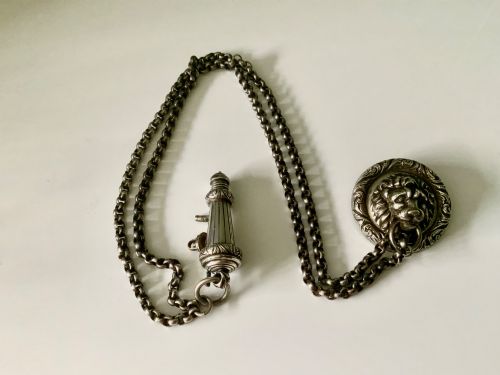
Buyers also encounter edged weapons, sterling silver whistles, armchairs, and oil portraits depicting officers in service. These objects reflect the mobility required by officers stationed across the British Empire during the Victorian era.
Pieces frequently display inset brass handles, flush corners, and sectional construction designed to withstand long journeys at sea and on land. The variety ranges from utilitarian packing cases to fitted secretaire desks.
Materials and construction
Cabinetmakers utilised durable hardwoods such as teak, camphor wood, and mahogany to resist tropical humidity and the rigours of transport. Camphor wood was particularly favoured for trunks due to its insect-repellent properties.
Brass corners, straps, and recessed handles were integrated to protect vulnerable edges and allow modular stacking without protruding hardware. Chests were constructed in two or more stackable sections with removable feet and robust iron or brass binding.
Listings feature nineteen-century camphor wood, teak, and mahogany campaign chests alongside brass-bound writing slopes and oil portraits.
Assessing quality
Quality rests upon the integrity of the original brass mounts, the tightness of the dovetail joinery, and the retention of factory components such as working locks and original transport cases. Superior examples exhibit tightly grained teak or figured mahogany with unpolished surfaces.
The degree of division in campaign chests affects desirability, with secretaire drawers and fitted interior compartments indicating higher officer rank and more complex craftsmanship. Pieces retaining secondary elements like original paint or matched transport packing cases hold greater historical completeness.
The Victorian Military Glossary
- Campaign chest
- A sectional chest of drawers built in two or more parts with recessed brass handles and corner brackets for military transport. These chests dismantle to facilitate movement on campaign.
- Secretaire chest
- A chest of drawers featuring a fitted writing drawer that drops down to reveal small compartments and pigeonholes. It combines storage with a compact desk surface for officers.
- Camphor wood
- An aromatic hardwood native to Asia, utilised for trunks and chests to deter moths and dampness. Its distinct scent remains identifiable after decades.
- Toleware
- Enamelled or japanned metalware used for utilitarian items such as trade signs, hat boxes, and canisters. It provided durable service in camp conditions.
- Dirk
- A long traditional dagger worn by naval officers as part of their formal dress uniform. These edged weapons feature engraved blades and mounted hilts.
Victorian Military: Frequently Asked Questions
How were campaign chests transported?
Campaign chests were built in two or more separate stackable sections with removable feet and flush brass handles to protect them during transit. Officers packed their uniforms and papers inside these modular units for long sea voyages and overland journeys.
Transport packing cases were frequently utilised alongside the chests themselves to provide an extra layer of defence against rough handling in military camps.
What is the difference between teak and camphor wood?
Teak is a dense, heavy hardwood known for its exceptional resistance to moisture and warping in tropical climates. Camphor wood is lighter and possesses a distinct natural aroma that repels insects from stored woollens and uniforms.
Both timbers were selected by military cabinetmakers for their durability under harsh colonial service conditions.
How do I care for camphor wood furniture?
Keep camphor wood furniture out of direct sunlight and away from direct heat sources to prevent the timber from drying out or splitting. Dust regularly with a dry cloth and avoid applying modern chemical polishes that might damage the natural grain.
Allow the wood to breathe and retain its characteristic scent without sealing the surface with heavy varnishes.
Are campaign desks practical for daily use?
Campaign desks and writing slopes offer compact surfaces with numerous internal drawers and compartments suitable for modern stationery storage. Their shallow depth and modular construction make them adaptable for smaller rooms.
Folding armchairs and tables similarly provide portable seating options that fold flat when floor space is required.