


Antique Steel Dress Sword
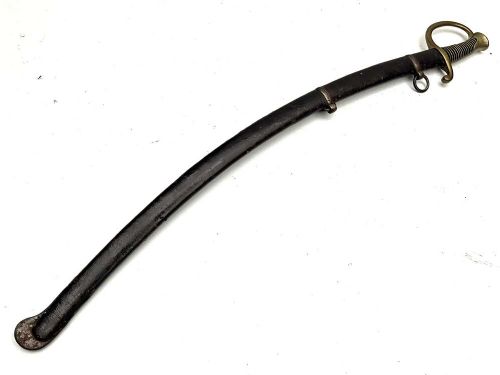
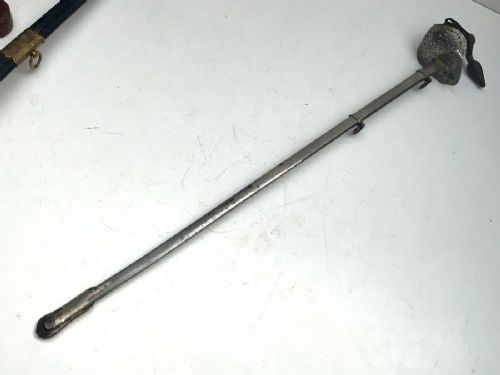
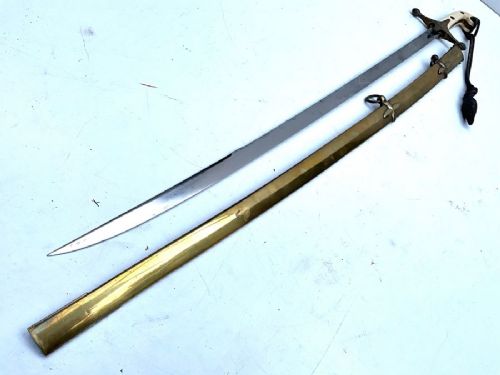
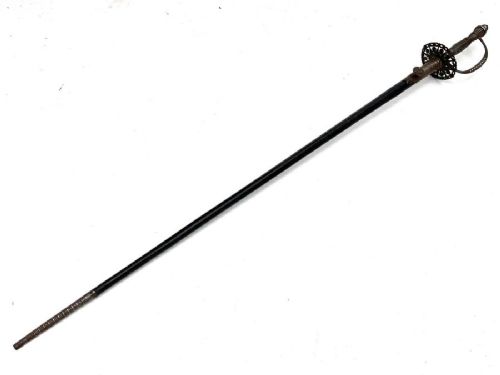
These antique steel dress sword pieces range from military sabres to concealed walking sticks, offering distinct craftsmanship from the eighteenth to the mid-twentieth century.
Antique Steel Dress Sword
An antique steel dress sword encompasses military patterns alongside civilian walking sticks and smallswords from various historical periods. The selection on this page bridges formal military dress items with practical nineteenth-century gentleman's accessories.
The materials and styles span from Georgian and Napoleonic French Empire pieces to Victorian military examples and mid-twentieth century German officer weapons. Buyers encounter everything from heavy cavalry sabres to silver-hilted smallswords and concealed sword sticks.
Origins vary across Britain, France, Germany and the wider continent, reflecting distinct national manufacturing traditions. Many pieces combine rigorous military specifications with refined decorative details suitable for formal attire.
Materials and construction methods
Blades and guards utilise forged steel, iron and nickel, paired with hilts fashioned from brass, silver and ebonised wood. Scabbards combine leather, wood and metal to protect the blade.
Handle construction incorporates specialised grip materials and detailed metalwork, often showing period conversions or specific regimental patterns.
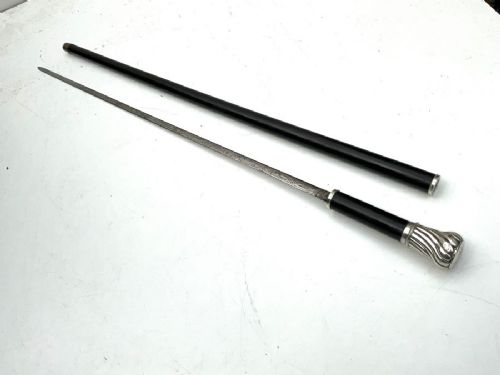
Gentlemen once walked the streets carrying innocent-looking timber canes that concealed sharp steel blades ready for action.
Assessing quality and execution
The refinement of the hilt decoration and the precision of the steel forging distinguish standard service issues from superior civilian pieces. Silver hilt work and intricate engraving demonstrate elevated craftsmanship.
The integrity of the transition between blade, hilt and scabbard reveals the standard of assembly, while period conversions indicate subsequent working lives.
H Wilkinson
The Antique Steel Dress Sword Glossary
- Smallsword
- A light, one-handed steel dress sword designed for thrusting, popular in the eighteenth century. These typically feature refined hilts of silver or brass.
- Sabre
- A backsword with a curved blade intended primarily for slashing, common in cavalry regiments throughout the nineteenth century.
- Mameluke sword
- A curved military dress sword inspired by Middle Eastern scimitars, adopted by British and other Western general officers during the nineteenth century.
- Sword stick
- A gentleman's walking stick or cane engineered with a concealed blade within the shaft, popular during the Victorian era.
Antique Steel Dress Sword: Frequently Asked Questions
What is an antique steel dress sword?
An antique steel dress sword is a bladed weapon or concealed blade designed for formal wear, military uniform or civilian protection during past centuries.
These pieces combine functional steel blades with decorative hilts made from brass, silver or ebonised wood.
How were sword sticks used?
Sword sticks served as discreet civilian self-defence tools and fashionable accessories for gentlemen walking through nineteenth-century urban environments.
The concealed steel blade remains hidden inside a wooden or ebonised shaft until released by a locking mechanism.
How do I identify a Victorian sword?
Victorian swords typically date between eighteen thirty-seven and nineteen zero one, often bearing specific military patterns, royal ciphers or standard regimental hilt designs.
Examinations of the steel blade, brass or silver guard, and accompanying scabbard help confirm the period of manufacture.
What is a period conversion?
A period conversion describes an older weapon that was physically altered during its historical lifespan to serve a new purpose, such as turning a smallsword into a short dagger.
These alterations reflect historical recycling and changing functional demands rather than modern tampering.