



Victorian Metalware Kettle
These Victorian metalware kettles bring robust utility and warmth to any fireside, offering enduring craft for everyday use.
Victorian Metalware Kettle
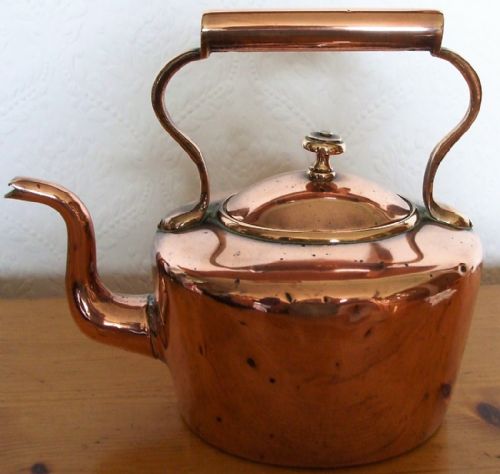
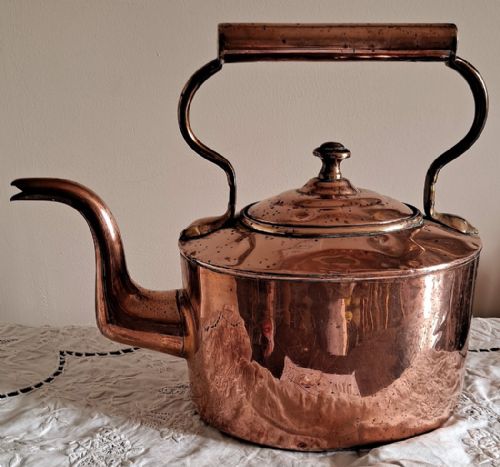
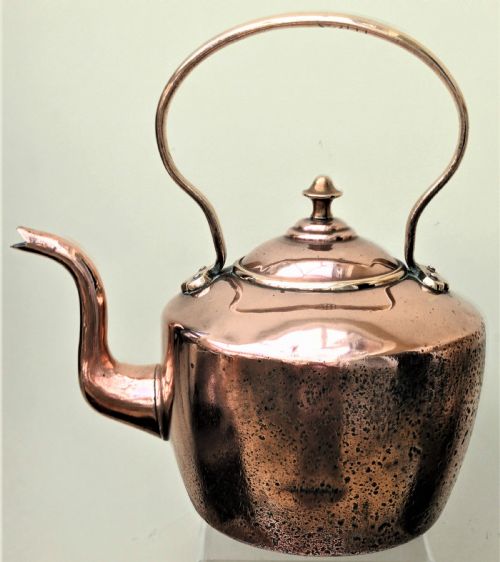
A Victorian metalware kettle provides a practical centrepiece for hearth and kitchen, taking forms such as tea kettles, spirit kettles, fish kettles, and samovars. Buyers seek these pieces for their solid construction and period character, which suit traditional and modern interiors alike.
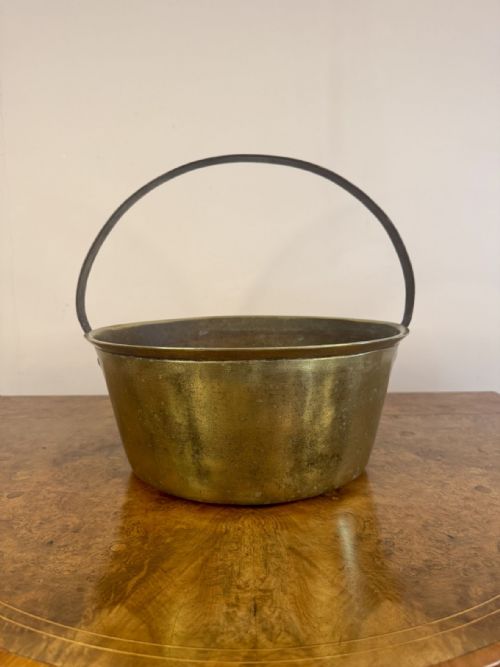
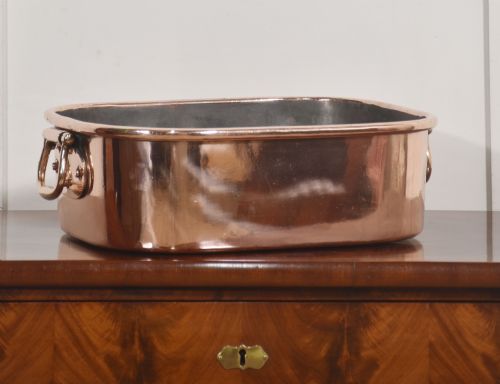
The selections on this page span the nineteenth century, including specific dates like 1850, 1860, and 1880, alongside broader Victorian and Aesthetic Movement styles. Copper and brass dominate the offerings, frequently complemented by handles or stands incorporating wood, ebonised wood, cane, iron, tin, and ceramic elements.
Materials and construction methods
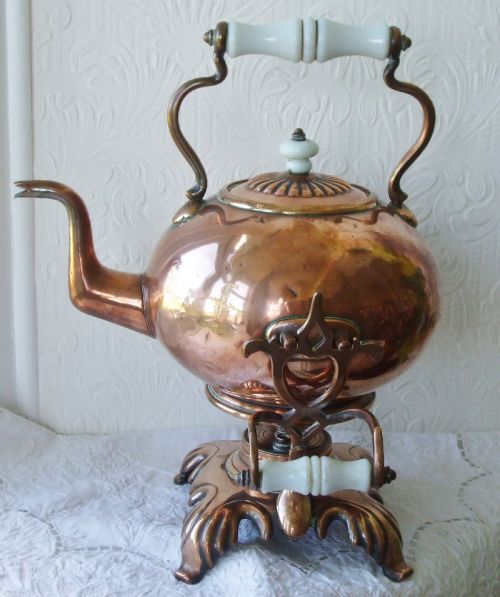
Makers shaped these vessels primarily from sheet copper and heavy brass, hammering and joining the metal to withstand constant boiling over open fires or spirit burners. Many spirit kettles include dedicated stands that elevate the vessel above a heat source.
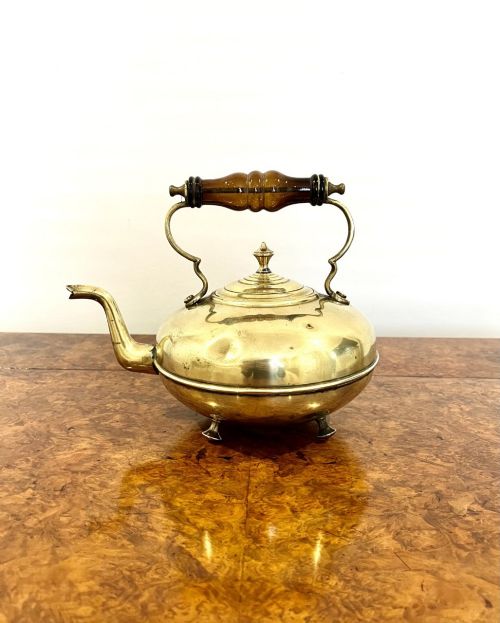
Handles and fittings often integrate contrasting materials such as wood, cane, and ebonised wood to provide insulation against heat during use. Secondary metals like iron and tin appear in structural parts or internal linings, while ceramic accents sometimes adorn handles or stands.
Victorian Metalware Kettle Retail Price Guide 2026
Typical asking prices for victorian metalware kettle among the pieces listed under this phrase on Sellingantiques today, from the lower quarter to the upper quarter. They describe what is for sale here now, not the wider market.
Materials documented across the inventory include copper, brass, iron, tin, ceramic, wood, ebonised wood, and cane.
Assessing quality in metalware
The distinction between standard utility vessels and superior examples lies in the weight of the metal and the crispness of the forming work. Heavy gauge copper and thick brass retain their structural integrity better over generations of use.
Refinement in secondary materials elevates certain pieces, such as finely turned wooden handles, intricate brass stands, or sophisticated Aesthetic Movement decorative details. Superior examples balance utilitarian strength with considered design execution.
Mappin & Co.
The Victorian Metalware Kettle Glossary
- Spirit kettle
- A kettle mounted on a metal stand with an integrated spirit burner underneath. This arrangement allowed water to be kept hot at the tea table.
- Fish kettle
- An elongated metal cooking vessel specifically designed for poaching fish whole. These feature tight-fitting lids and internal drainer trays.
- Samovar
- A large heated metal container traditionally used to boil water for tea. Victorian examples often incorporate intricate spigots and substantial body proportions.
- Aesthetic Movement
- A late nineteenth century design style emphasising visual beauty over narrative subject matter. Pieces from this movement display stylised ornamentation and refined forms.
Victorian Metalware Kettle: Frequently Asked Questions
What is a spirit kettle?
A spirit kettle is a portable water boiler mounted upon its own metal stand above a small burner. It enabled hosts to maintain boiling water away from the kitchen.
These pieces combine functional metalwork with decorative stands, often featuring wooden or cane-wrapped handles for safe handling during tea service.
How do I date a copper kettle?
Dating relies on observing construction techniques, material choices, and stylistic markers recorded in the piece. Nineteenth century examples often display hand-beaten seams and specific handle mountings.
Reference points such as the Aesthetic Movement or specific dated examples help narrow the period of manufacture. Hallmarks or maker stamps, where present, provide further chronological clues.
Were these kettles used on open fires?
Most heavy copper and brass kettles from the Victorian era were built for functional use on coal fires or hearths. Their robust metal construction allowed them to withstand direct heat.
Spirit kettles specifically utilised internal or attached burners for table service rather than heavy hearth heating.
How should I clean antique copper?
Maintaining antique copper involves removing dust and light grime while preserving the natural warm patina accumulated over decades. Harsh modern chemical polishes can strip away the aged character valued by collectors.
Gentle cleaning with appropriate metal care products keeps the surface stable without erasing the evidence of age and use.