


Victorian Metal Urn
These robust victorian metal urn vessels bring classical gravity and industrial weight to any interior or garden scheme.
Victorian Metal Urn
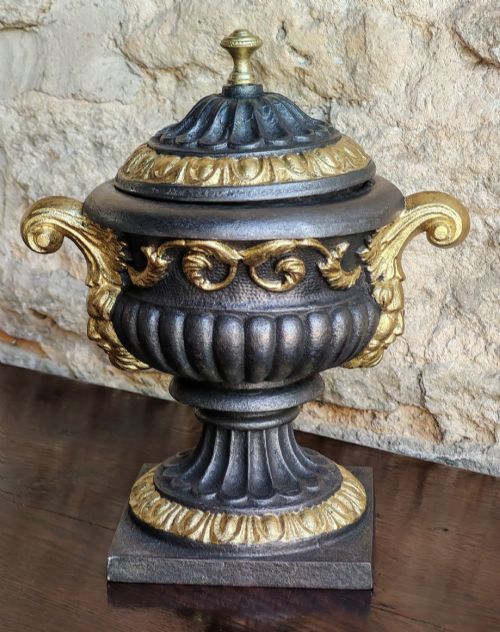
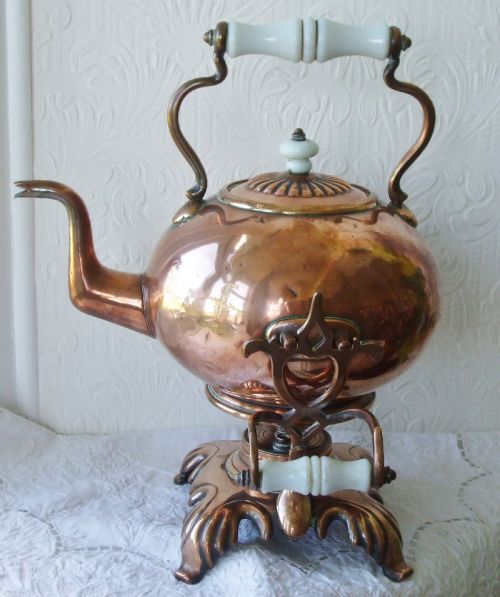
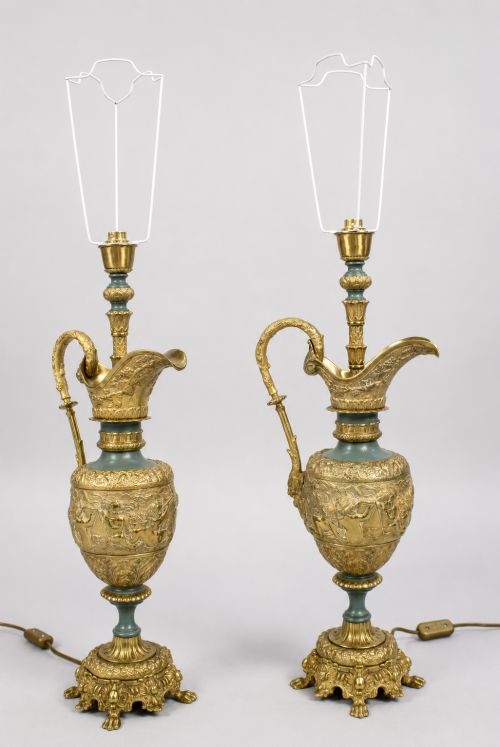
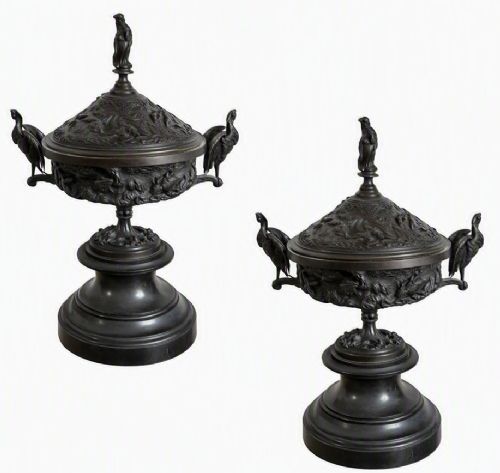
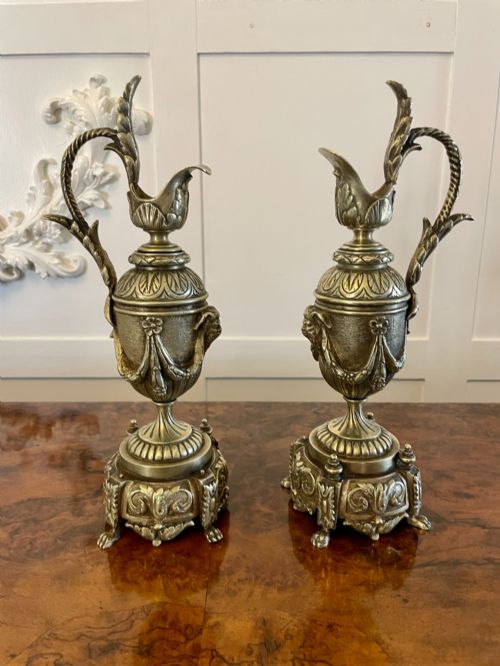
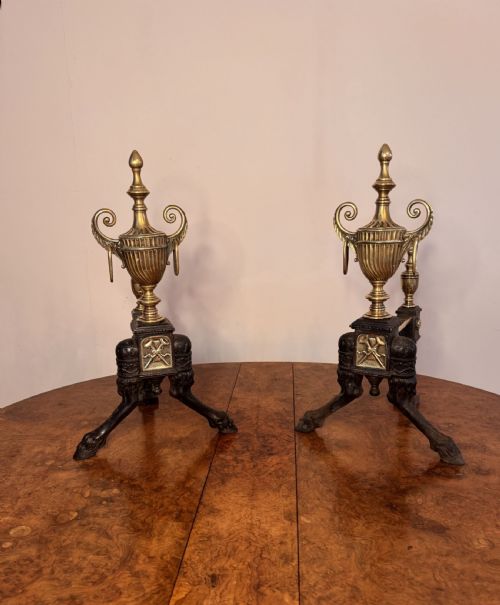
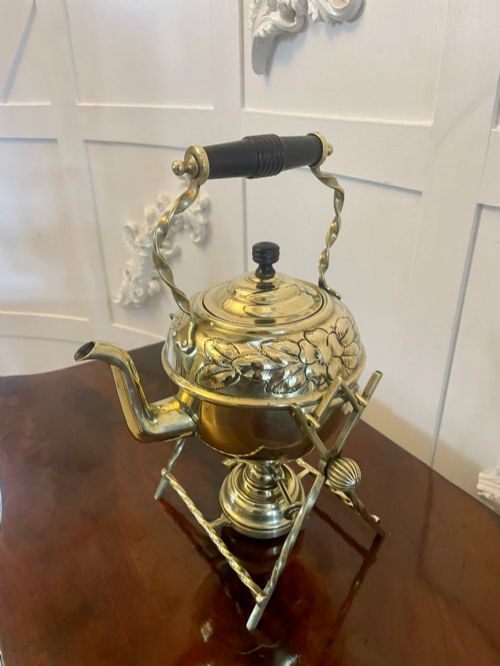
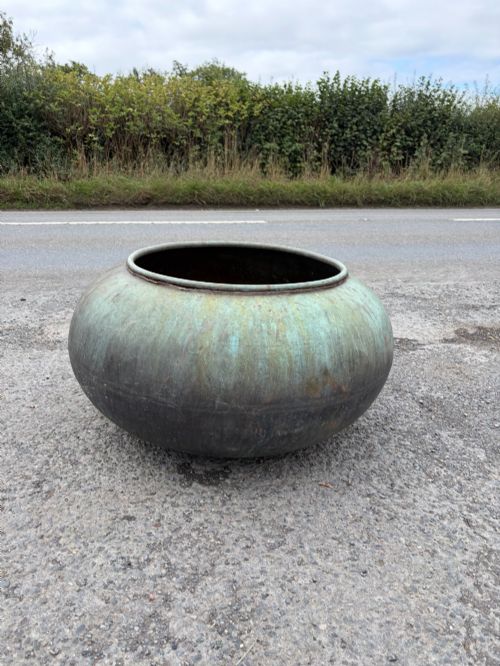
When searching for a victorian metal urn, buyers encounter a diverse range of vessels spanning the nineteenth century, including large garden campana pieces, tea samovars, and decorative table bronzes. The selection covers heavy cast iron garden planters alongside refined brass and copper tea urns designed for interior hospitality.
The styles bridge classical antiquity with industrial utility, drawing heavily on neoclassical motifs, grand tour reductions, and Gothic influences. Most examples originate from British workshops and continental foundries active between eighteen-fifty and nineteen-hundred.
How they were made
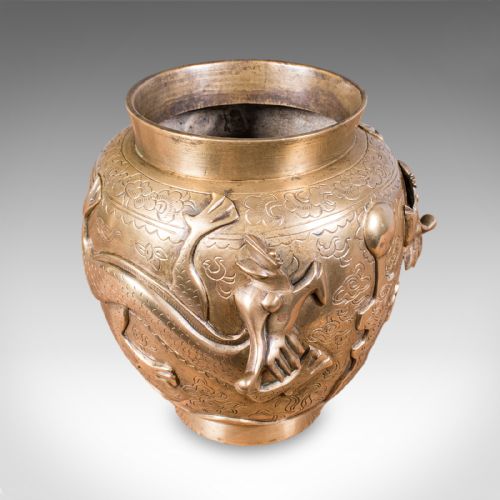
Foundries utilised durable base metals such as cast iron, bronze, brass, and copper, often shaping them through sand casting or hand-riveting sheet metal. Garden planters and architectural urns typically relied on robust cast iron moulded with classical acanthus leaves and campana profiles.
Interior display items and tea samovars combined beaten copper and brass with applied mounts, occasionally featuring silver plating or painted surface finishes such as Pontypool ware. Bronze reductions of classical antiquities employed lost-wax or sand casting methods to capture intricate sculptural details.
Victorian Metal Urn Retail Price Guide 2026
Typical asking prices for victorian metal urn among the pieces listed under this phrase on Sellingantiques today, from the lower quarter to the upper quarter. They describe what is for sale here now, not the wider market.
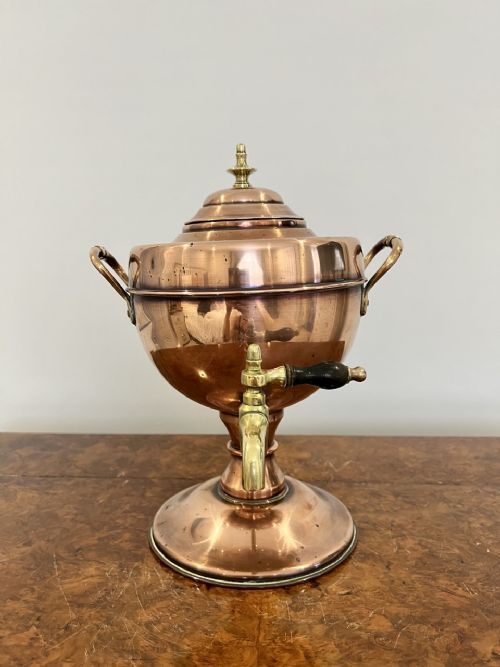
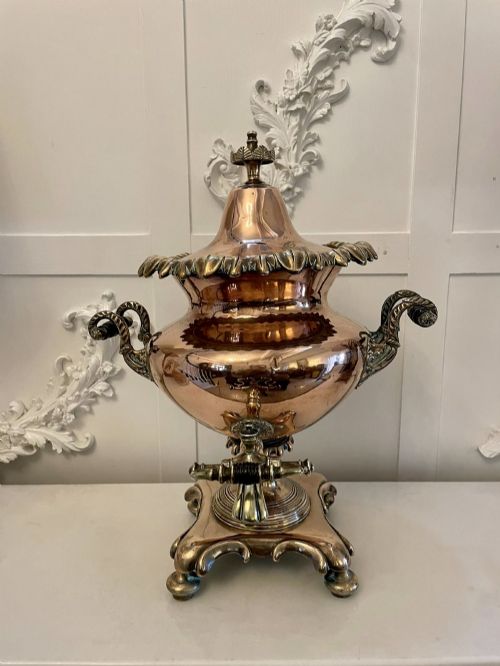
Nineteenth-century hosts kept tea flowing briskly with massive brass samovars that doubled as domestic conversation pieces.
What varies in quality
Quality rests upon the crispness of the casting detail and the integrity of the original metal surface rather than mere scale. Superior examples display sharply defined relief ornament, clean chasing on bronze and brass, and substantial metal thickness without excessive modern repairs.
The distinction between standard utility vessels and top-tier decorative works lies in the reputation of the founding foundry and the harmony of the classical proportions. Retained original patination, structural stability, and authentic period mountings elevate the standing of any individual piece.
Jules Moigniez·Andrew Handyside·Coalbrookdale·Val D'Osne Foundry·Mappin And Co·William Soutter And Sons·Walker And Hall·Benetfink And Co
The Victorian Metal Urn Glossary
- Campana urn
- A bell-shaped vessel with a flared rim originating from classical antiquity. These forms dominate nineteenth-century garden ornament.
- Samovar
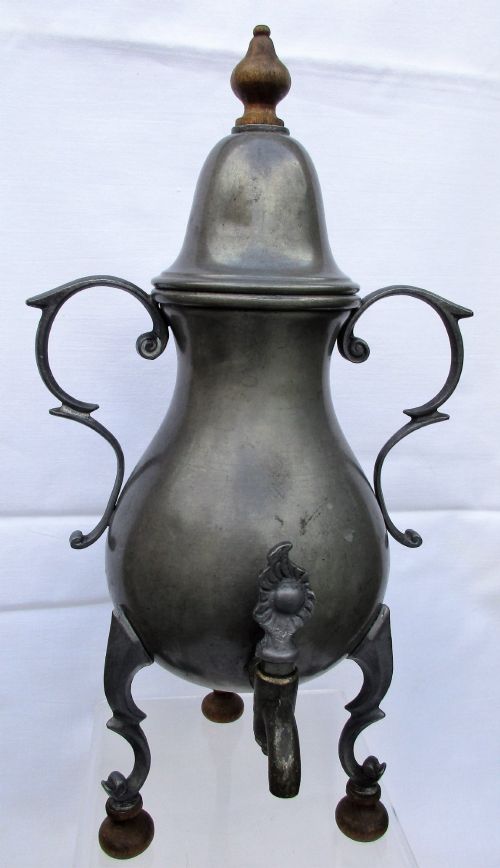
- A heated metal container traditionally used to boil water for tea. Victorian examples frequently utilise copper and brass with integrated internal chimneys and taps.
- Grand Tour
- A cultural journey undertaken by nineteenth-century elites collecting classical art. Miniature bronze reductions of famous monuments served as popular souvenirs.
- Patination
- The surface alteration and mellowing of metal over time through exposure and handling. Original patination confirms age and material authenticity.
- Pontypool ware
- A type of British tinned metalware finished with dark japan varnish and hand-painted decoration. It was widely applied to nineteenth-century tea urns and domestic vessels.
Victorian Metal Urn: Frequently Asked Questions
Where were victorian metal urns placed?
Cast iron campana urns stood prominently upon stone pedestals in formal gardens, on terrace steps, or flanking estate pathways. Smaller bronze and brass versions decorated nineteenth-century drawing rooms, mantelpieces, and entrance halls.
Interior tea urns and samovars occupied sideboards and dining tables to dispense hot water for tea service during formal gatherings.
How do I care for cast iron garden urns?
Cast iron garden pieces require periodic cleaning with a stiff brush to remove dirt and moss accumulation. Applying a protective coat of exterior metal paint or wax helps prevent deep rust formation during damp winter months.
Ensuring proper drainage prevents standing water from freezing inside the bowl and cracking the historic metal structure.
What is the difference between an urn and a samovar?
An urn is primarily a decorative or commemorative vessel shaped with a footed base, a wide body, and a narrow neck. A samovar is a specialised functional container equipped with an internal heating tube and a tap for dispensing water.
While many samovars share the classic vase silhouette, their internal mechanics distinguish them from purely ornamental garden or table urns.
Can bronze table urns be polished?
Historical bronze and patinated brass pieces should generally retain their darkened, aged surfaces rather than undergoing aggressive polishing. Excessive cleaning strips away the historic patination that collectors and dealers value.
Light dusting and occasional gentle application of microcrystalline wax safeguard the original surface without altering its historic appearance.