

Victorian Metal Stand
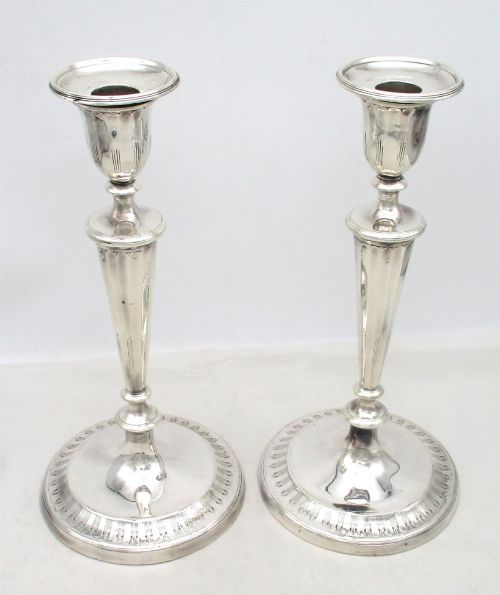
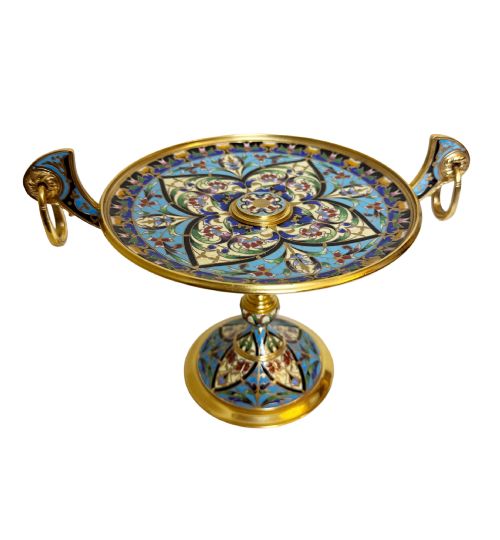
A victorian metal stand brings robust utility and distinctive period character to an entrance hall or garden.
Victorian Metal Stand
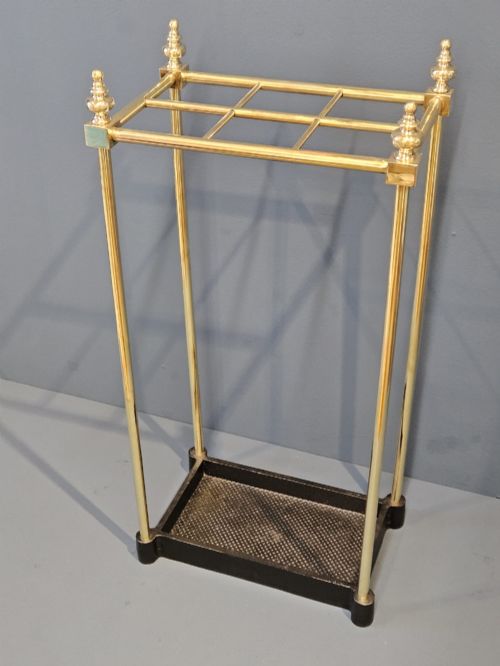
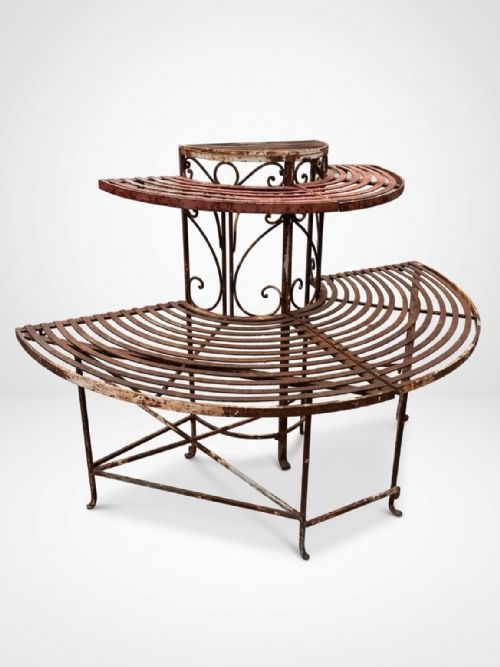
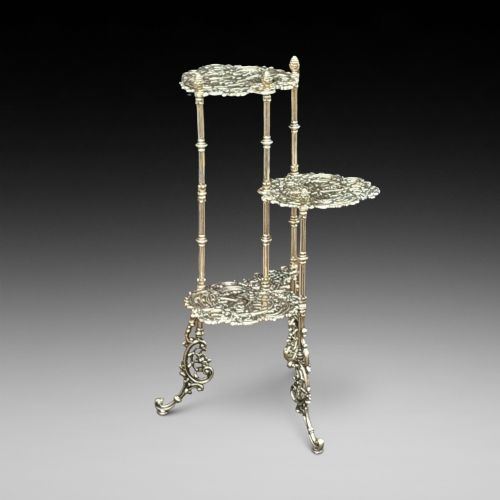
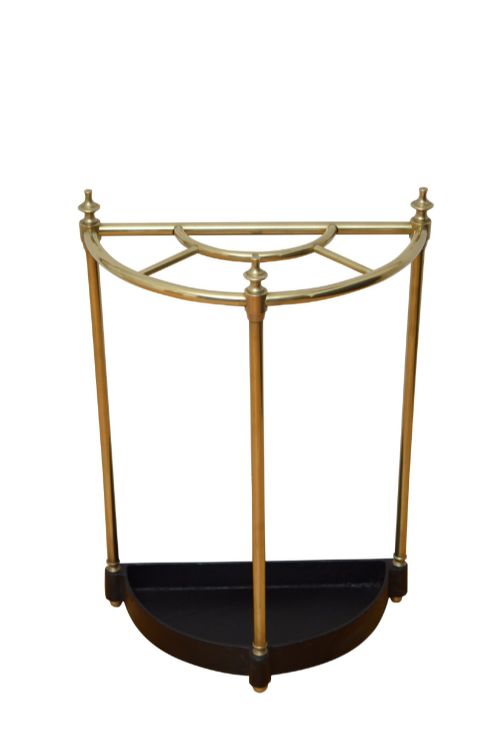
The most common forms on this page include cast iron and wrought iron stick stands alongside polished brass umbrella holders. Examples range from simple demi-lune hall pieces to elaborate garden planters and multi-tiered plant stands.
Originating predominantly from British and European workshops, these objects span the Victorian era into the Edwardian period. Their survival reflects the enduring quality of heavy-duty metalwork used in everyday domestic settings.
Materials and construction
Foundry work relied heavily on cast iron for structural mass and rigidity, particularly in hall stands and boot scrapers where weight prevented tipping. Wrought iron was shaped by hand to create flowing scrollwork and lattice baskets for garden and plant displays.
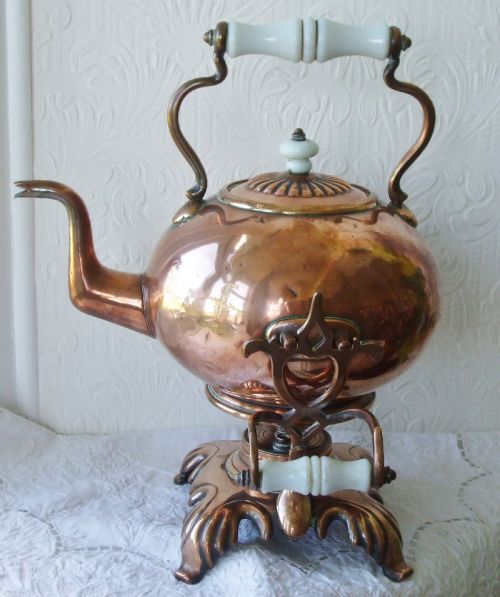
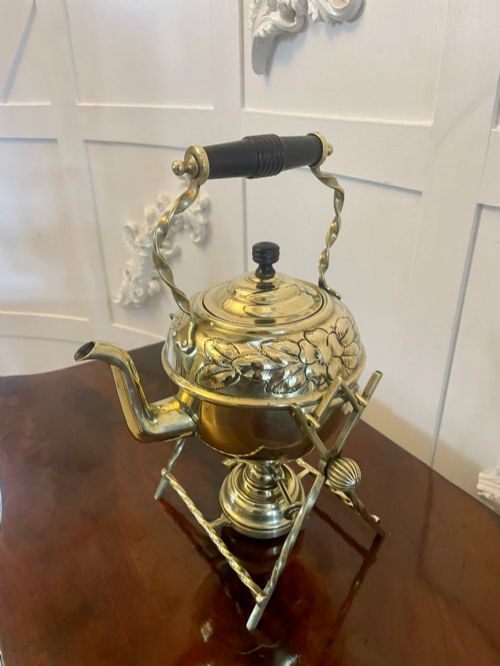
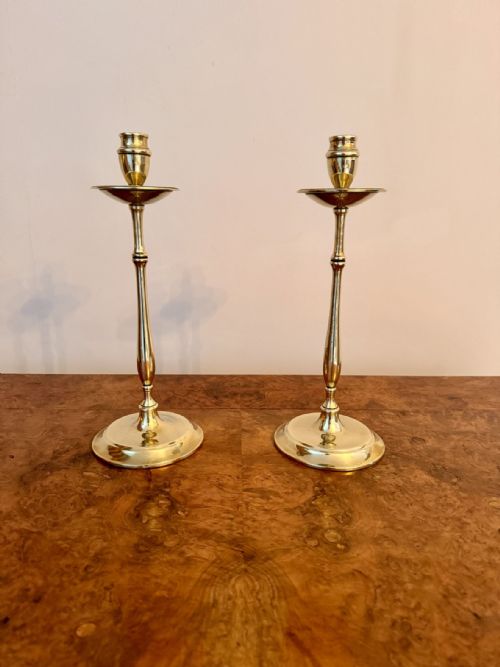
Brass and copper provided lighter, highly polished alternatives for indoor umbrella holders and spirit kettles, often combined with steel components for internal strength. Metal elements were frequently painted, patinated, or plated to protect against moisture and wear.
Victorian Metal Stand Retail Price Guide 2026
Typical asking prices for victorian metal stand among the pieces listed under this phrase on Sellingantiques today, from the lower quarter to the upper quarter. They describe what is for sale here now, not the wider market.
Listings feature items spanning the nineteenth century through the Edwardian period, utilising brass, cast iron, wrought iron, and copper.
Evaluating standard and finish
Superior examples display crisp casting definition, clean joinery, and well-executed decorative details rather than rough surface pitting. Maker attribution significantly elevates an object, with documented foundries commanding greater attention than unmarked workshop output.
Original surface preservation determines much of the appeal, distinguishing items that retain honest patination from those stripped or over-restored. Structural integrity in load-bearing joints and absence of extensive corrosion separate robust pieces from compromised ones.
Coalbrookdale·William Soutter And Sons·Tanns Defiance London
The Victorian Metal Stand Glossary
- Demi-lune
- A half-moon shape commonly found in umbrella stands designed to sit flush against a hallway wall. This space-saving profile allowed bulky walking sticks to be stored neatly in narrow corridors.
- Coalbrookdale
- A renowned ironfoundry active in Shropshire known for decorative cast ironwork. Pieces from this maker often exhibit high-relief botanical motifs and registered design numbers.
- Wrought iron
- Iron heated and hammered into shape by a blacksmith rather than poured into a mould. This technique produces fibrous, durable structures with visible forge marks and hand-bent scrolls.
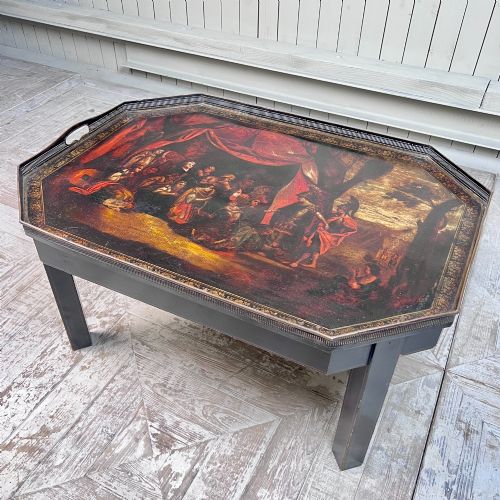
- Tole
- Painted or lacquered metalware, typically tin or steel, decorated with scenes or floral motifs. It provides a colourful finish on trays and decorative objects.
- Footman
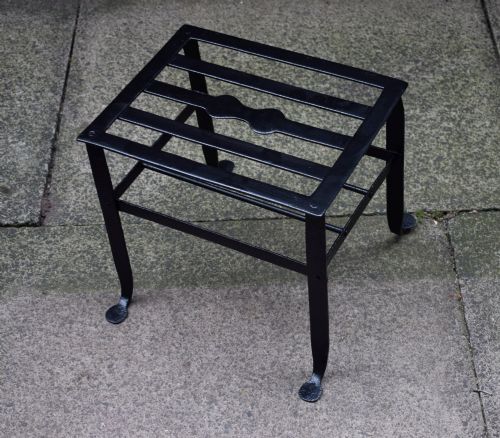
- A metal stand placed in front of a fireplace to keep food or kettles warm. These items combine brass and steel construction to withstand high heat.
Victorian Metal Stand: Frequently Asked Questions
How do I clean a brass umbrella stand?
Use a soft cloth and mild soapy water to remove dust and dirt without disturbing the aged surface. Avoid harsh chemical polishes that strip historical patination.
Dry the metal thoroughly after cleaning to prevent spotting. Preserve the natural glow by applying a thin layer of microcrystalline wax.
Can I use an antique plant stand outdoors?
Iron plant stands designed for garden use withstand exterior placement if monitored for moisture accumulation. Regular checks help prevent rust from compromising structural joints.
Indoor brass or painted metal stands suffer damage from prolonged dampness and temperature fluctuations. Keep delicate items inside to protect their finishes.
What is the difference between cast iron and wrought iron?
Cast iron is poured into moulds while molten, resulting in rigid, heavy forms with detailed decorative relief. It breaks under severe stress rather than bending.
Wrought iron is worked by hand while hot, yielding fibrous structures that bend rather than fracture. This material appears in scrollwork and garden racks.
How do I spot a reproduction?
Examine the casting marks and surface texture for signs of modern manufacturing methods. Genuine nineteenth-century pieces display authentic wear patterns and hand-finished details.
Check fasteners and internal fixings for period-appropriate screws or rivets. Modern replacements often use contemporary slotted or Phillips hardware.