

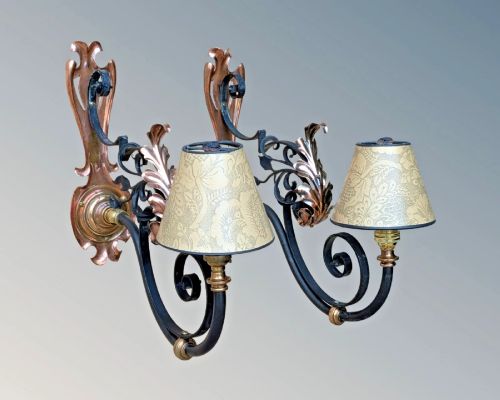


Victorian Metal Light Fixture
These Victorian metal light fixture examples bring genuine period illumination to a room, ranging from grand chandeliers to sturdy porch lights.
Victorian Metal Light Fixture
A victorian metal light fixture brings together heavy cast metals and intricate decorative work from the nineteenth century. These items include wall lights, pendant lights, and large multi-branched chandeliers suitable for principal rooms.
The selection on this page covers diverse forms such as hanging lanterns, table lamps converted from candelabra, and outside porch lights. Pieces span periods from the eighteenth century through to the early twentieth century, with a strong emphasis on nineteenth-century design.
Stylistic influences vary significantly across the inventory, displaying Gothic Revival, Rococo Revival, Arts and Crafts, and Classical Revival details. Buyers encounter everything from simple pierced brass pendants to elaborate gilt metal cherub configurations.
How they were made
Manufacturing methods rely heavily on foundational metalwork techniques like casting, piercing, and hand-wrought assembly. Workshops utilised brass, bronze, copper, cast iron, and gilt metal to achieve both structural integrity and ornamental detail.
Decorative embellishments often incorporate glass components, cut crystal, or fabric shades to diffuse the light effectively. Iron and copper elements are frequently shaped into specific motifs such as shamrocks or Green Man masks.
Victorian Metal Light Fixture Retail Price Guide 2026
Typical asking prices for victorian metal light fixture among the pieces listed under this phrase on Sellingantiques today, from the lower quarter to the upper quarter. They describe what is for sale here now, not the wider market.
Some exterior porch lights come complete with cast iron shamrocks or decorative Green Man faces keeping watch by the front door.
What varies in quality
Quality rests upon the crispness of the metal casting and the complexity of the chased or pierced ornamentation. Heavier pieces with solid bronze or cast iron structures demonstrate superior material deployment compared to lighter alloy alternatives.
The articulation of fine details, such as figurative cherubs or bespoke architectural ironwork, separates standard production items from exceptional workshop creations. Provenance and original components, including period glass drops, further elevate the standing of an individual light.
The Victorian Metal Light Fixture Glossary
- Chandelier
- A branched ceiling-mounted lighting fixture designed to hold multiple lamps or candles. These large fixtures often feature arms numbering six, seven, or nine branches.
- Gilt bronze
- Bronze metal treated with a thin layer of gold or gold-coloured gilding. This technique provides a lustrous finish often seen on nineteenth-century lamp bases and decorative mounts.
- Wrought iron
- Iron beaten and shaped by hand while hot using traditional blacksmithing tools. This material appears in Arts and Crafts wall lights and sturdy exterior lanterns.
- Wall sconce
- A light fixture fixed to a wall using a bracket or backplate for support. These units project illumination across hallways, antechambers, and reception rooms.
- Gothic Revival
- An architectural and decorative style drawing inspiration from medieval forms. Pieces in this tradition incorporate pointed arches and heavy ecclesiastical metalwork.
Victorian Metal Light Fixture: Frequently Asked Questions
Can these antique lights run on modern electricity?
Most antique metal light fixtures have been adapted to accommodate modern wiring while retaining their external period appearance. Professional rewiring ensures they meet current electrical standards safely.
Buyers should consult a qualified electrician to check the internal fittings and secure proper ceiling or wall installation for heavier cast metal pieces.
How do I clean and maintain a brass or bronze fixture?
Dusting with a soft, dry cloth prevents the accumulation of grime on intricate metal surfaces and glass components. Avoid abrasive cleaning agents that can strip historical patina or damage gilt finishes.
Preserving the original surface appearance requires minimal intervention beyond gentle, regular cleaning suited to the specific metal type.
Where were large chandeliers typically hung?
Large multi-branched chandeliers usually occupied principal reception rooms, dining halls, and high-ceilinged galleries where they provided both illumination and a strong decorative statement. Their substantial weight required secure ceiling anchoring into primary structural beams.
Smaller variants and wall lights served corridors, stairwells, and exterior porches as seen with surviving outdoor fixtures.
How do I identify a Gothic Revival design?
Gothic Revival metalwork borrows heavily from medieval ecclesiastical architecture, featuring pointed elements, heavy ironwork, and structural solemnity. Pieces in this manner often reflect the architectural philosophies associated with figures like Pugin.
Such designs stand apart from the ornate curves of Rococo Revival or the simpler, functional lines of the Arts and Crafts movement.