

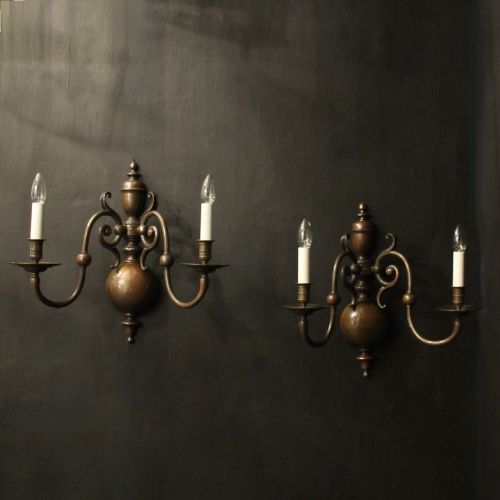


Dark Metal Light Fixture
These dark metal light fixtures combine utility with heavy character, offering substantial metalwork and period presence for traditional interiors.
Dark Metal Light Fixture
When you search for dark metal light fixture, you encounter a robust selection of historical illumination ranging from wall lights to large chandeliers. These pieces span the nineteenth century, the Edwardian era, and the early nineteen-twenties, incorporating styles from Arts and Crafts to French Rococo.
The objects listed here appear in various substantial forms, including hall lanterns, porch lights, and ceiling lights. Wrought iron, bronze, copper, and spelter provide the dark metallic tones that define these functional items.
Buyers frequently meet Victorian wall light brackets and heavy French cage chandeliers among the options. These forms reflect both domestic utility and decorative ambition from earlier British and continental workshops.
How they were made
Maker's methods rely heavily on casting and forging in metals such as bronze, brass, wrought iron, and copper. Artisans shaped these materials into structural frames, wall brackets, and decorative lanterns.
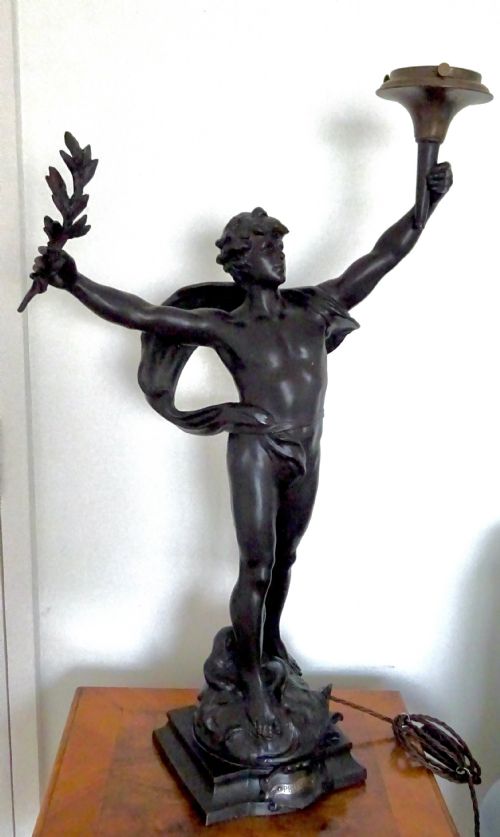
Glass and crystal components frequently accompany the metalwork to diffuse illumination. Figures and ornamental motifs cast in spelter or bronze add sculptural depth to the bodies of lamps and lanterns.
Dark Metal Light Fixture Retail Price Guide 2026
Typical asking prices for dark metal light fixture among the pieces listed under this phrase on Sellingantiques today, from the lower quarter to the upper quarter. They describe what is for sale here now, not the wider market.
Listings span the nineteenth century, Edwardian era, and early nineteen-twenties, utilising glass, wrought iron, bronze, copper, brass, and spelter.
What varies in quality
The distinction between standard items and superior examples lies in the crispness of the metal casting and the complexity of the design. Elaborate French Rococo frames and detailed Arts and Crafts copperwork demonstrate greater artisan involvement than simpler utilitarian brackets.
Proportion and scale also dictate distinction, as oversized hall lanterns and multi-light chandeliers demand more intricate structural engineering. The integrity of the original dark patination across the bronze, iron, or copper surface preserves the visual harmony of each piece.
G.E.C·Moreau
The Dark Metal Light Fixture Glossary
- Spelter
- A zinc alloy commonly utilised as a substitute for bronze in decorative figures and lamp bases during the late nineteenth and early twentieth centuries. It accepts patination readily to resemble heavier metals.
- Wrought iron
- Iron beaten or bent into shape by hand while hot, producing strong structural frames and decorative scrollwork for lanterns and brackets. This material is typical of robust exterior and hall lighting.
- Bronze
- An alloy of copper and tin valued for its durability and rich dark tones when oxidized. It forms the structure of many nineteenth-century wall lights and chandeliers.
- Cage chandelier
- A chandelier design where the internal metal frame resembles an open birdcage, supporting numerous light points and glass drops. French examples often feature dark frames with multiple arms.
Dark Metal Light Fixture: Frequently Asked Questions
What periods do these light fixtures represent?
The selection covers the nineteenth century, the Victorian era, the Edwardian period, and the early decades of the nineteen-hundreds. Styles range from Gothic Revival and Arts and Crafts to French Rococo.
Specific dates within the titles point to production eras such as nineteen-ten and nineteen-twenty, reflecting the design movements of those decades.
Which metal types are most common?
Wrought iron, bronze, copper, and spelter appear frequently across the listed items. Each metal offers a distinct dark tone and texture suited to period interiors.
Brass and cast iron also feature in specific ceiling lights and wall brackets from the nineteenth century.
How were these fixtures originally used?
They served practical illumination needs in hallways, porches, and primary rooms of period homes. Large lanterns lit entranceways, while multi-light chandeliers illuminated principal living spaces.
Wall lights and brackets provided targeted illumination along corridors and beside mirrors.
How do I identify Arts and Crafts pieces?
Arts and Crafts light fixtures emphasise honest construction and hand-worked materials like copper and wrought iron. They often feature simple, robust geometric or naturalistic motifs without excessive ornamentation.
These designs prioritize craftsmanship and utility over ornate continental styling.